THE ADVENTURE COLLECTIVE® · Independent discovery and booking for outdoor travel

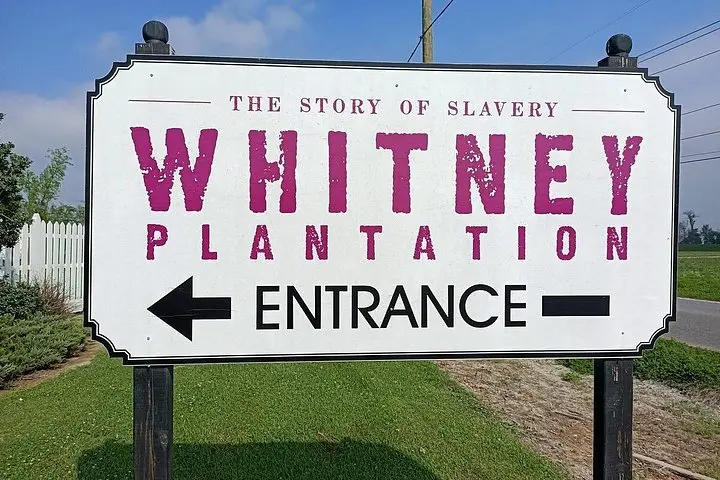
A half-day narrated bus trip from New Orleans that brings visitors to Whitney Plantation to learn plantation history through the perspectives of the enslaved. Includes admission and round-trip transportation for an accessible, interpretive visit.
A half-day narrated bus trip from New Orleans that brings visitors to Whitney Plantation to learn plantation history through the perspectives of the enslaved. Includes admission and round-trip transportation for an accessible, interpretive visit.
You step off an air-conditioned van onto gravel under live oaks; the air smells faintly of river and cut sugarcane, and the shade of the allee seems to reach toward you like a guide. The narrated drive from New Orleans eases you out of the city — Bonnet Carré Spillway bridges and stretches of River Road pass by as the driver threads local context into the journey.
Verified experiences and guided adventures in the surrounding area.
Operated by K's Luxury Transportation and Tours · Wallace, Louisiana
You step off an air-conditioned van onto gravel under live oaks; the air smells faintly of river and cut sugarcane, and the shade of the allee seems to reach toward you like a guide. The narrated drive from New Orleans eases you out of the city — Bonnet Carré Spillway bridges and stretches of River Road pass by as the driver threads local context into the journey.
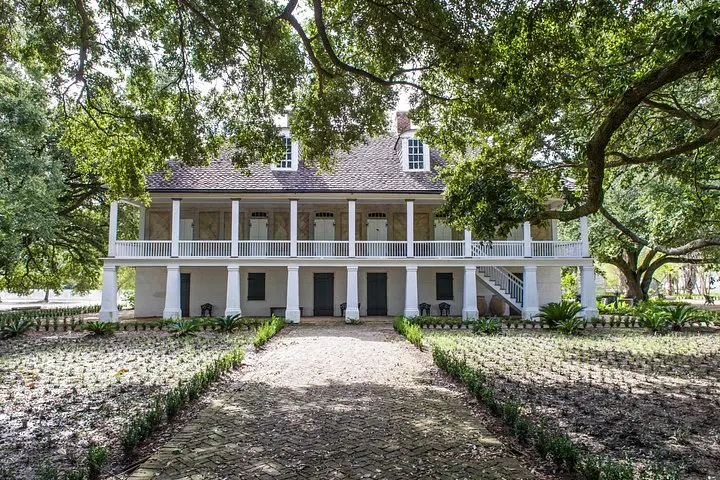
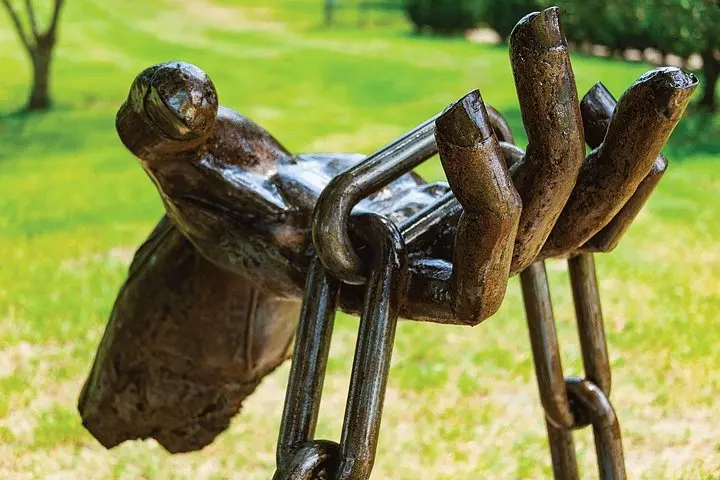
Whitney Plantation is one of the few museums in the region that centers the lives of the enslaved. The grounds sit on former sugarcane fields where levees and alluvial soils shaped an economy built on the Mississippi’s floodplain. You’ll walk through restored slave cabins, preserved artifacts, and new interpretive memorials that foreground Creole culture, labor history, and the human cost of the plantation system.
Expect 2.5 hours on site with a guided route that balances exterior architecture and interior exhibits. The site’s low, flat terrain makes the visit accessible, but surfaces can be uneven and exposed to sun.
Practical guidance: bring lightweight sun protection and closed-toe shoes for gravel paths; carry water even though bottled water is provided. Tours typically run 5–6 hours round-trip from New Orleans with pickup in the French Quarter. Mornings are cooler and quieter; afternoons can be hotter and busier. Photography is permitted in most outdoor areas but respect signs in sensitive exhibit spaces. The tour pairs historical depth with logistical ease — ideal for travelers who want a concentrated, responsibly framed look at plantation history without arranging separate transport.
Pickup and drop-off are typically in front of Jackson Square in the French Quarter; exact times and a pickup point are confirmed at booking.
The site has relatively flat terrain, but some historic buildings and paths may be uneven; contact the operator in advance to discuss specific accessibility needs.
Bottled water is included, but lunch is not—plan to eat before or after, or bring snacks for the transit portion.
About 2.5 hours are allocated on site to tour exhibits, cabins, and outdoor memorials as part of the half-day itinerary.
K's Luxury Transportation and Tours operates guided outdoor trips and adventures with an emphasis on safety, stewardship, and memorable experiences.

You step off an air-conditioned van onto gravel under live oaks; the air smells faintly of river and cut sugarcane, and the shade of the allee seems to reach toward you like a guide. The narrated drive from New Orleans eases you out of the city — Bonnet Carré Spillway bridges and stretches of River Road pass by as the driver threads local context into the journey.
You step off an air-conditioned van onto gravel under live oaks; the air smells faintly of river and cut sugarcane, and the shade of the allee seems to reach toward you like a guide. The narrated drive from New Orleans eases you out of the city — Bonnet Carré Spillway bridges and stretches of River Road pass by as the driver threads local context into the journey.
Whitney Plantation is one of the few museums in the region that centers the lives of the enslaved. The grounds sit on former sugarcane fields where levees and alluvial soils shaped an economy built on the Mississippi’s floodplain. You’ll walk through restored slave cabins, preserved artifacts, and new interpretive memorials that foreground Creole culture, labor history, and the human cost of the plantation system.
Expect 2.5 hours on site with a guided route that balances exterior architecture and interior exhibits. The site’s low, flat terrain makes the visit accessible, but surfaces can be uneven and exposed to sun.
Practical guidance: bring lightweight sun protection and closed-toe shoes for gravel paths; carry water even though bottled water is provided. Tours typically run 5–6 hours round-trip from New Orleans with pickup in the French Quarter. Mornings are cooler and quieter; afternoons can be hotter and busier. Photography is permitted in most outdoor areas but respect signs in sensitive exhibit spaces. The tour pairs historical depth with logistical ease — ideal for travelers who want a concentrated, responsibly framed look at plantation history without arranging separate transport.