THE ADVENTURE COLLECTIVE® · Independent discovery and booking for outdoor travel

Travel by luxury-style shuttle from New Orleans to Whitney Plantation for a focused, self-guided museum experience centering the lives of enslaved people. This 5-hour outing combines transport, focused exhibits, restored buildings, and interpretive memorials.
Travel by luxury-style shuttle from New Orleans to Whitney Plantation for a focused, self-guided museum experience centering the lives of enslaved people. This 5-hour outing combines transport, focused exhibits, restored buildings, and interpretive memorials.
A low-slung bus pulls away from a New Orleans hotel, jazz spilling into the aisles as live oaks thin and the Mississippi River edges into view. The road to Whitney Plantation is the kind of landscape that makes history feel immediate: levees, river bends, and the wide sky above sugarcane fields. On arrival, visitors step into a museum whose purpose is deliberate and specific — to center the lives and stories of the enslaved people who lived on this land.
Verified experiences and guided adventures in the surrounding area.
Operated by Legendary Tours INC · Wallace, Louisiana
A low-slung bus pulls away from a New Orleans hotel, jazz spilling into the aisles as live oaks thin and the Mississippi River edges into view. The road to Whitney Plantation is the kind of landscape that makes history feel immediate: levees, river bends, and the wide sky above sugarcane fields. On arrival, visitors step into a museum whose purpose is deliberate and specific — to center the lives and stories of the enslaved people who lived on this land.
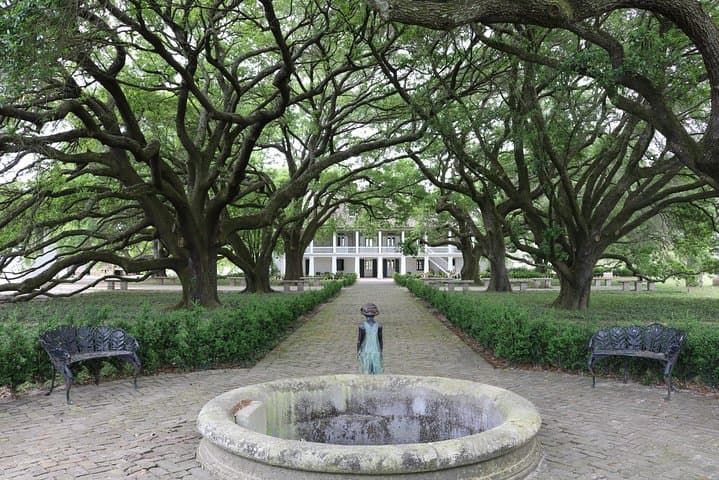
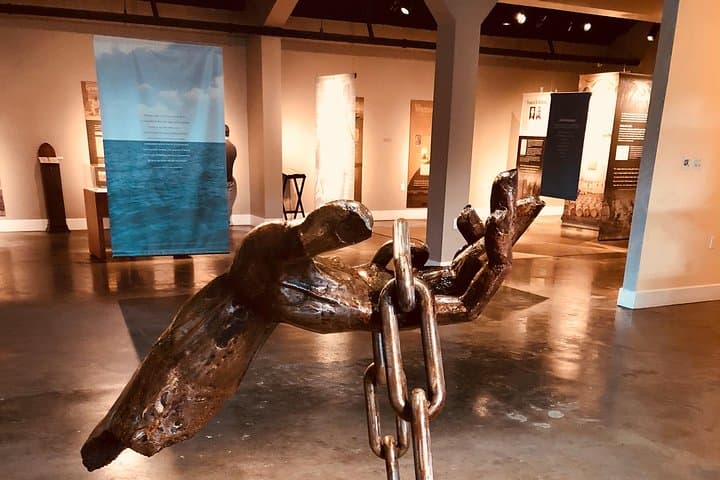
Opened to the public in 2014, the Whitney Plantation occupies buildings and grounds dating back to the 18th century; exhibits rely on first-person narratives, memorial artwork, and preserved structures to tell a difficult chapter of Louisiana history. Geologically, the River Road corridor is alluvial plain — flat, fertile, and shaped by centuries of the Mississippi’s floods — which is why plantations concentrated here.
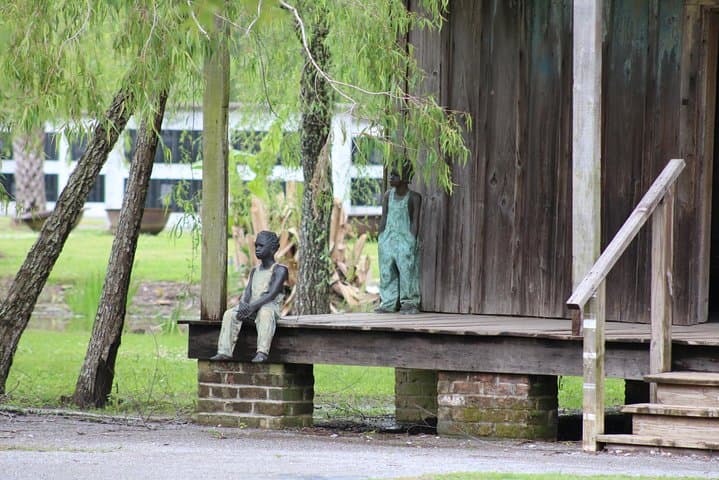
Expect a self-guided museum walkthrough of about 75 minutes framed by audio and interpretive panels, plus time to visit restored cabins, memorials, and the sugar processing remnants. The tour operator provides round-trip transportation from New Orleans, with pickup windows and a final group return to the city.
Practical notes: bring sun protection and sturdy shoes for uneven paths, carry water, and allow flexibility for the 5-hour window that includes travel. Respect the site: photography is allowed in most outdoor spaces but be mindful around memorials. For travelers who want context, consider pairing Whitney with nearby River Road plantations or the Whitney-focused exhibits in New Orleans for a fuller understanding of the region’s history.
The operator lists a total duration of about 5 hours from New Orleans pickup to return, with roughly 75 minutes for the self-guided plantation visit.
The tour notes stroller accessibility; some outdoor paths and historic buildings have uneven surfaces—ask the operator about specific accessibility needs.
Yes—restrooms are available at the site and guests are given time to use them before returning to the bus.
Photography is generally allowed outdoors, but be respectful around memorials and exhibit areas where restrictions may apply.
Legendary Tours INC operates guided outdoor trips and adventures with an emphasis on safety, stewardship, and memorable experiences.

A low-slung bus pulls away from a New Orleans hotel, jazz spilling into the aisles as live oaks thin and the Mississippi River edges into view. The road to Whitney Plantation is the kind of landscape that makes history feel immediate: levees, river bends, and the wide sky above sugarcane fields. On arrival, visitors step into a museum whose purpose is deliberate and specific — to center the lives and stories of the enslaved people who lived on this land.
A low-slung bus pulls away from a New Orleans hotel, jazz spilling into the aisles as live oaks thin and the Mississippi River edges into view. The road to Whitney Plantation is the kind of landscape that makes history feel immediate: levees, river bends, and the wide sky above sugarcane fields. On arrival, visitors step into a museum whose purpose is deliberate and specific — to center the lives and stories of the enslaved people who lived on this land.
Opened to the public in 2014, the Whitney Plantation occupies buildings and grounds dating back to the 18th century; exhibits rely on first-person narratives, memorial artwork, and preserved structures to tell a difficult chapter of Louisiana history. Geologically, the River Road corridor is alluvial plain — flat, fertile, and shaped by centuries of the Mississippi’s floods — which is why plantations concentrated here.
Expect a self-guided museum walkthrough of about 75 minutes framed by audio and interpretive panels, plus time to visit restored cabins, memorials, and the sugar processing remnants. The tour operator provides round-trip transportation from New Orleans, with pickup windows and a final group return to the city.
Practical notes: bring sun protection and sturdy shoes for uneven paths, carry water, and allow flexibility for the 5-hour window that includes travel. Respect the site: photography is allowed in most outdoor spaces but be mindful around memorials. For travelers who want context, consider pairing Whitney with nearby River Road plantations or the Whitney-focused exhibits in New Orleans for a fuller understanding of the region’s history.