THE ADVENTURE COLLECTIVE® · Independent discovery and booking for outdoor travel

A reflective 6.5-hour tour from New Orleans that combines a scenic River Road drive with an in-depth visit to the Whitney Plantation Museum, focused on the lives of enslaved people and local history. Practical for families and travelers seeking historical context outside the city.
A reflective 6.5-hour tour from New Orleans that combines a scenic River Road drive with an in-depth visit to the Whitney Plantation Museum, focused on the lives of enslaved people and local history. Practical for families and travelers seeking historical context outside the city.
You pull away from the neon of Canal Street and the car eases onto River Road, the Mississippi to your right daring you with slow, brown currents. Spanish moss brushes old cypress and the drive narrows into a landscape of levees, sugar fields and low-slung plantation houses; the Whitney stands apart by its focus — not on architecture alone, but on the lives of the people enslaved there.
Verified experiences and guided adventures in the surrounding area.
Operated by CRESCENT CITY TOURS & TRANSPORTATION · Wallace, Louisiana
You pull away from the neon of Canal Street and the car eases onto River Road, the Mississippi to your right daring you with slow, brown currents. Spanish moss brushes old cypress and the drive narrows into a landscape of levees, sugar fields and low-slung plantation houses; the Whitney stands apart by its focus — not on architecture alone, but on the lives of the people enslaved there.
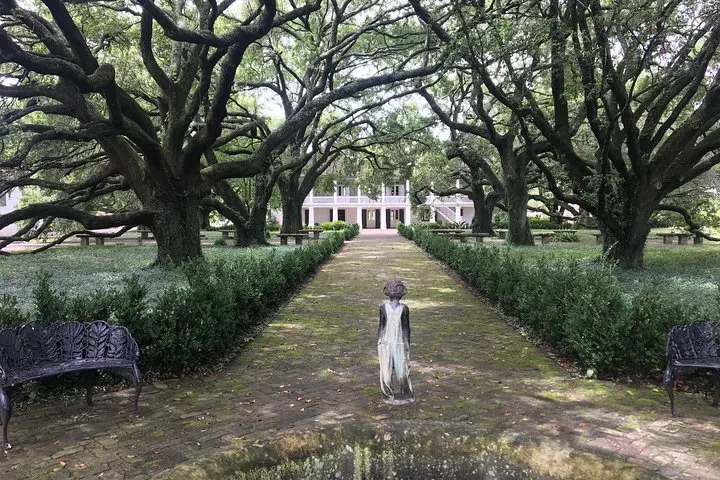
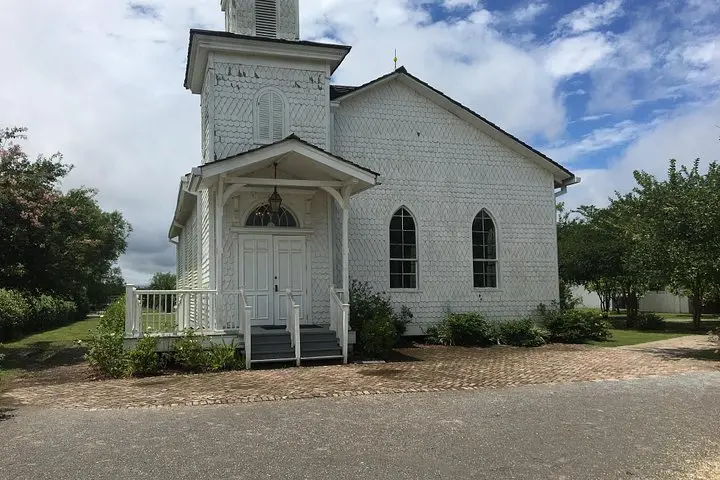
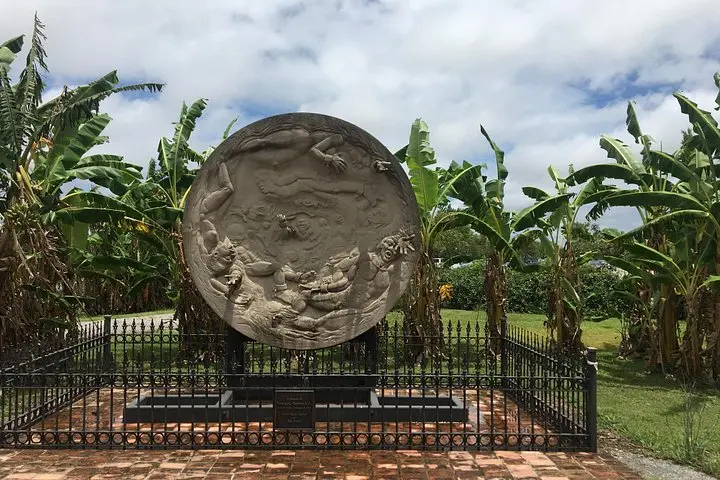
Opened as a museum of slavery, the Whitney Plantation centers first-person narratives, restored slave cabins, memorial sculptures and interpretive exhibits that document 18th–19th century plantation life and its legacy in Louisiana. Geologically, you’re traveling across the Mississippi’s alluvial plain — flat, fertile soils that made the sugar economy possible and shaped settlement patterns along the river.
Culturally this route is River Road: small towns, roadside cemeteries, and working agriculture that still defines the parish. You’ll pass Evergreen and other historic sites; guides often point out Corps of Engineers work on flood control — a modern chapter in the river’s story.
Practical notes: the trip is a roughly 6.5-hour round trip from New Orleans with hotel pickup in an air-conditioned vehicle. Expect moderate walking on uneven grounds and outdoor exposure; bring sun protection, water and comfortable shoes. The tour requests silence during transfers as a courtesy to other passengers and to preserve the reflective atmosphere on-site. Photography is generally allowed outdoors; be respectful in interpretive spaces. For visitors interested in history with clear context and strong interpretation, this outing pairs landscape-level scenic drive with a sobering, informative museum experience.
The full excursion, including hotel pickup and return, is approximately 6.5 hours (about 390 minutes) with 1–2 hours spent on-site for exhibits and grounds.
Yes; the tour is family-friendly but covers difficult historical topics — parental discretion is advised for young children.
The site offers restroom facilities and is stroller-accessible in parts, but some outdoor paths and historic structures have uneven surfaces and short steps.
Photography is generally allowed outdoors; follow posted guidelines for indoor exhibits and respect areas designated for quiet reflection.
CRESCENT CITY TOURS & TRANSPORTATION operates guided outdoor trips and adventures with an emphasis on safety, stewardship, and memorable experiences.

You pull away from the neon of Canal Street and the car eases onto River Road, the Mississippi to your right daring you with slow, brown currents. Spanish moss brushes old cypress and the drive narrows into a landscape of levees, sugar fields and low-slung plantation houses; the Whitney stands apart by its focus — not on architecture alone, but on the lives of the people enslaved there.
You pull away from the neon of Canal Street and the car eases onto River Road, the Mississippi to your right daring you with slow, brown currents. Spanish moss brushes old cypress and the drive narrows into a landscape of levees, sugar fields and low-slung plantation houses; the Whitney stands apart by its focus — not on architecture alone, but on the lives of the people enslaved there.
Opened as a museum of slavery, the Whitney Plantation centers first-person narratives, restored slave cabins, memorial sculptures and interpretive exhibits that document 18th–19th century plantation life and its legacy in Louisiana. Geologically, you’re traveling across the Mississippi’s alluvial plain — flat, fertile soils that made the sugar economy possible and shaped settlement patterns along the river.
Culturally this route is River Road: small towns, roadside cemeteries, and working agriculture that still defines the parish. You’ll pass Evergreen and other historic sites; guides often point out Corps of Engineers work on flood control — a modern chapter in the river’s story.
Practical notes: the trip is a roughly 6.5-hour round trip from New Orleans with hotel pickup in an air-conditioned vehicle. Expect moderate walking on uneven grounds and outdoor exposure; bring sun protection, water and comfortable shoes. The tour requests silence during transfers as a courtesy to other passengers and to preserve the reflective atmosphere on-site. Photography is generally allowed outdoors; be respectful in interpretive spaces. For visitors interested in history with clear context and strong interpretation, this outing pairs landscape-level scenic drive with a sobering, informative museum experience.