THE ADVENTURE COLLECTIVE® · Independent discovery and booking for outdoor travel

See Heart Reef, Whitehaven Beach and Hill Inlet from a fixed-wing aircraft on a one-hour scenic flight from Whitsunday Airport. This aerial route packs the region’s best reef and island views into a compact, photo-ready experience.
See Heart Reef, Whitehaven Beach and Hill Inlet from a fixed-wing aircraft on a one-hour scenic flight from Whitsunday Airport. This aerial route packs the region’s best reef and island views into a compact, photo-ready experience.
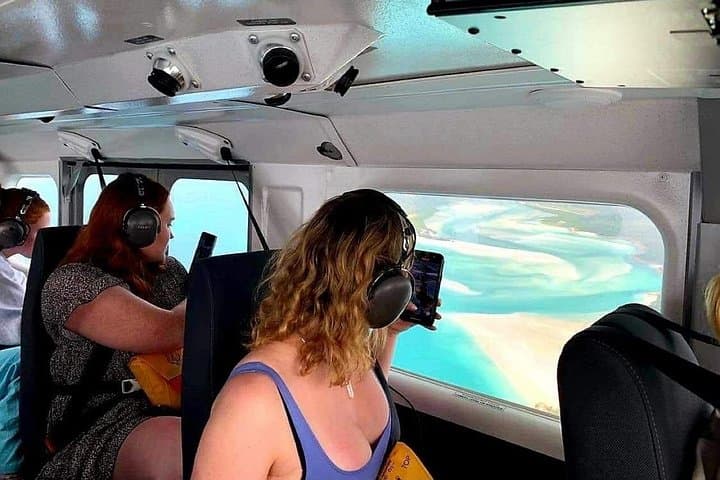
You lift off from the compact terminal at Whitsunday Airport and the islands unfold beneath you like a live map—turquoise channels carving through coral, the white arc of Whitehaven Beach, and Hill Inlet’s swirling sands drawing your eye like a fingerprint.
Verified experiences and guided adventures in the surrounding area.
Operated by Ocean Rafting · Airlie Beach, Queensland
You lift off from the compact terminal at Whitsunday Airport and the islands unfold beneath you like a live map—turquoise channels carving through coral, the white arc of Whitehaven Beach, and Hill Inlet’s swirling sands drawing your eye like a fingerprint.
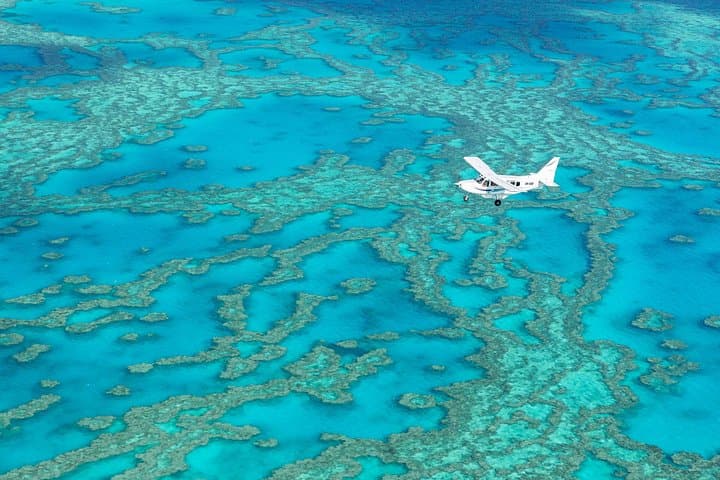
From the air the Whitsunday Islands show their geology plainly: continental fragments and sand shoals set within the shallow continental shelf of the Great Barrier Reef. Captain James Cook named the islands in 1770 after passing on Whitsunday; long before that, the Ngaro people navigated these waters and left cultural connections to the sea and islands. The reef ecosystem visible from this flight is part of the Great Barrier Reef Marine Park, a living structure of coral plates, bommies and lagoons.
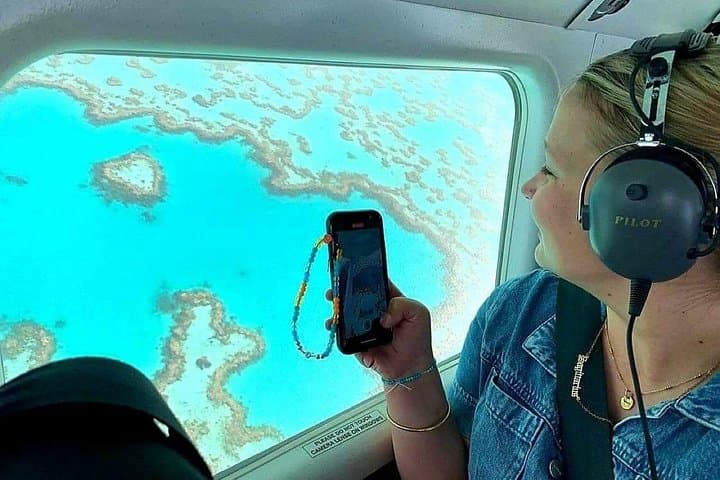
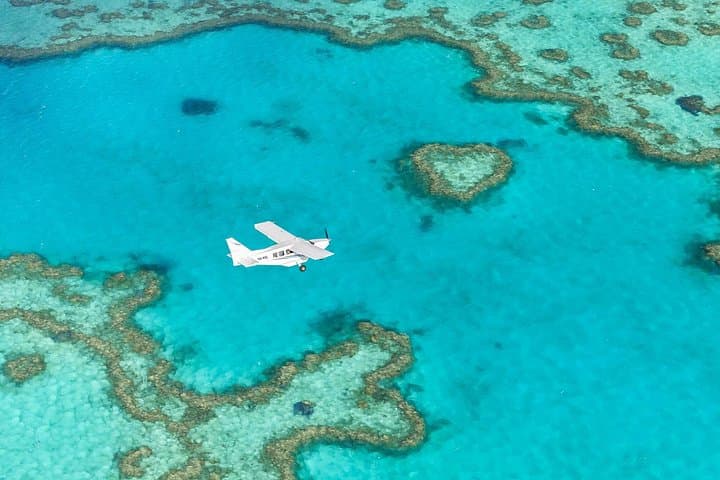
Pilot commentary points out Heart Reef’s distinctive outline and explains how tidal flows rearrange Hill Inlet’s silica sand each day. The aircraft’s big windows make the reef feel immediate—the sea seems to push and pull you along its currents.
Practical things matter: flights depart multiple times daily, last about 60 minutes, and include transfers and guaranteed window seats. Expect light turbulence and brilliant glare; bring a camera with a polarizer and sunglasses. Allow 45 minutes extra for check-in at the airport, and remember flights may be cancelled in poor weather. This trip is an efficient way to see iconic reef features, orient yourself for on-water activities later, and get a concise, aerial perspective of one of Australia’s most visited marine landscapes.
The scenic flight lasts about 60 minutes and includes pilot commentary, guaranteed window seats, and views over Whitehaven Beach, Hill Inlet and Heart Reef; transfers and airport lounge access are typically provided.
Flights are cancelled in poor visibility or unsafe conditions; operators will refund if you cancel at least 24 hours prior or rebook if the service is weather-affected.
There is a maximum passenger weight policy (check operator specifics); the experience is suitable for most ages but confirm individual restrictions when booking.
You may spot dolphins, turtles and large reef fish from the air, especially where the water is clear and shallow, but sightings cannot be guaranteed.
Ocean Rafting operates guided outdoor trips and adventures with an emphasis on safety, stewardship, and memorable experiences.
You lift off from the compact terminal at Whitsunday Airport and the islands unfold beneath you like a live map—turquoise channels carving through coral, the white arc of Whitehaven Beach, and Hill Inlet’s swirling sands drawing your eye like a fingerprint.
You lift off from the compact terminal at Whitsunday Airport and the islands unfold beneath you like a live map—turquoise channels carving through coral, the white arc of Whitehaven Beach, and Hill Inlet’s swirling sands drawing your eye like a fingerprint.
From the air the Whitsunday Islands show their geology plainly: continental fragments and sand shoals set within the shallow continental shelf of the Great Barrier Reef. Captain James Cook named the islands in 1770 after passing on Whitsunday; long before that, the Ngaro people navigated these waters and left cultural connections to the sea and islands. The reef ecosystem visible from this flight is part of the Great Barrier Reef Marine Park, a living structure of coral plates, bommies and lagoons.
Pilot commentary points out Heart Reef’s distinctive outline and explains how tidal flows rearrange Hill Inlet’s silica sand each day. The aircraft’s big windows make the reef feel immediate—the sea seems to push and pull you along its currents.
Practical things matter: flights depart multiple times daily, last about 60 minutes, and include transfers and guaranteed window seats. Expect light turbulence and brilliant glare; bring a camera with a polarizer and sunglasses. Allow 45 minutes extra for check-in at the airport, and remember flights may be cancelled in poor weather. This trip is an efficient way to see iconic reef features, orient yourself for on-water activities later, and get a concise, aerial perspective of one of Australia’s most visited marine landscapes.