THE ADVENTURE COLLECTIVE® · Independent discovery and booking for outdoor travel

Taste your way through Old Strathcona on a 3.25-hour guided walk along Whyte Avenue. Six curated stops, local stories, and a mix of historic architecture and street art make this an efficient, flavorful introduction to Edmonton’s food scene.
Taste your way through Old Strathcona on a 3.25-hour guided walk along Whyte Avenue. Six curated stops, local stories, and a mix of historic architecture and street art make this an efficient, flavorful introduction to Edmonton’s food scene.
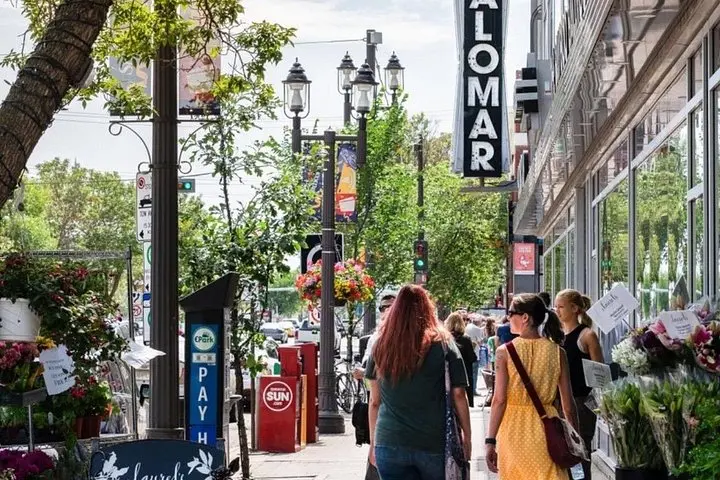
You step off Whyte Avenue into a corridor of steaming cafés, hand-painted murals daring you to look closer, and the rhythmic clack of a streetcar long gone but still felt in the brickwork. The 3.25-hour Whyte Ave Food Walk moves at an easy, conversational pace—six tasting stops threading through Old Strathcona’s historic commercial strip—so you’ll alternate between bites, stories, and the city’s architecture.
Verified experiences and guided adventures in the surrounding area.
Operated by Food Bike Tour · Edmonton, Alberta
You step off Whyte Avenue into a corridor of steaming cafés, hand-painted murals daring you to look closer, and the rhythmic clack of a streetcar long gone but still felt in the brickwork. The 3.25-hour Whyte Ave Food Walk moves at an easy, conversational pace—six tasting stops threading through Old Strathcona’s historic commercial strip—so you’ll alternate between bites, stories, and the city’s architecture.
Old Strathcona began as its own town in the late 19th century and became part of Edmonton in 1912; the district’s turn-of-the-century buildings and independent shops reflect that civic evolution. Geologically the area sits above the North Saskatchewan River valley; the avenue runs along the higher terrace, where soils once supported market gardens that fed early settlers. Today the culture is a layered mix of Indigenous, European immigrant, and contemporary culinary voices, visible in menu mash-ups and a bustling farmers’ market that has anchored local food since the 1980s.
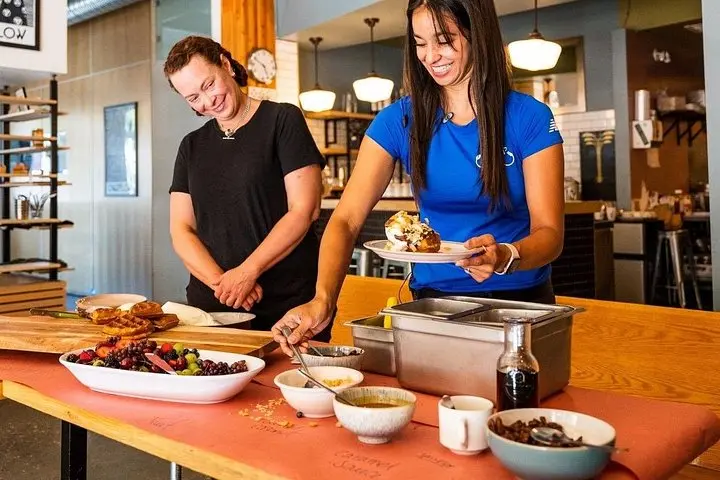
Expect tasting portions—everything from artisanal sandwiches to plated desserts—and VIP behind-the-scenes access at select kitchens. The walk covers roughly 1.5–2 km of mostly flat pavement with frequent stops; friendly local guides narrate history, murals, and where to return later on your own.
Practical notes: wear comfortable shoes, carry a small water bottle, and plan for payment flexibility (some spots prefer card). Public transit stops close by and parking is limited on weekend afternoons. If you have dietary restrictions, notify the operator ahead of time; most vendors accommodate with notice. Arrive curious and a little hungry—the neighborhood’s personality arrives on every plate.
The experience lasts about 3.25 hours and covers roughly 1.5–2 km of mostly flat pavement with frequent stops and seated tastings.
Yes—inform the operator when booking. Guides will flag restrictions to vendors and can suggest suitable alternatives at several stops.
The route uses paved sidewalks and most vendors have step-free entry, but accessibility varies by establishment—contact the operator ahead to confirm specifics.
Food costs, taxes, and service fees are included; tipping the guide is customary for good service but not mandatory.
Food Bike Tour operates guided outdoor trips and adventures with an emphasis on safety, stewardship, and memorable experiences.


You step off Whyte Avenue into a corridor of steaming cafés, hand-painted murals daring you to look closer, and the rhythmic clack of a streetcar long gone but still felt in the brickwork. The 3.25-hour Whyte Ave Food Walk moves at an easy, conversational pace—six tasting stops threading through Old Strathcona’s historic commercial strip—so you’ll alternate between bites, stories, and the city’s architecture.
You step off Whyte Avenue into a corridor of steaming cafés, hand-painted murals daring you to look closer, and the rhythmic clack of a streetcar long gone but still felt in the brickwork. The 3.25-hour Whyte Ave Food Walk moves at an easy, conversational pace—six tasting stops threading through Old Strathcona’s historic commercial strip—so you’ll alternate between bites, stories, and the city’s architecture.
Old Strathcona began as its own town in the late 19th century and became part of Edmonton in 1912; the district’s turn-of-the-century buildings and independent shops reflect that civic evolution. Geologically the area sits above the North Saskatchewan River valley; the avenue runs along the higher terrace, where soils once supported market gardens that fed early settlers. Today the culture is a layered mix of Indigenous, European immigrant, and contemporary culinary voices, visible in menu mash-ups and a bustling farmers’ market that has anchored local food since the 1980s.
Expect tasting portions—everything from artisanal sandwiches to plated desserts—and VIP behind-the-scenes access at select kitchens. The walk covers roughly 1.5–2 km of mostly flat pavement with frequent stops; friendly local guides narrate history, murals, and where to return later on your own.
Practical notes: wear comfortable shoes, carry a small water bottle, and plan for payment flexibility (some spots prefer card). Public transit stops close by and parking is limited on weekend afternoons. If you have dietary restrictions, notify the operator ahead of time; most vendors accommodate with notice. Arrive curious and a little hungry—the neighborhood’s personality arrives on every plate.