THE ADVENTURE COLLECTIVE® · Independent discovery and booking for outdoor travel

Explore the buried capital of Wiang Kum Kam on a half-day guided tour from Chiang Mai. See Lanna-era temples, ride by horse-drawn carriage, and learn how river silt reshaped a kingdom.
Explore the buried capital of Wiang Kum Kam on a half-day guided tour from Chiang Mai. See Lanna-era temples, ride by horse-drawn carriage, and learn how river silt reshaped a kingdom.
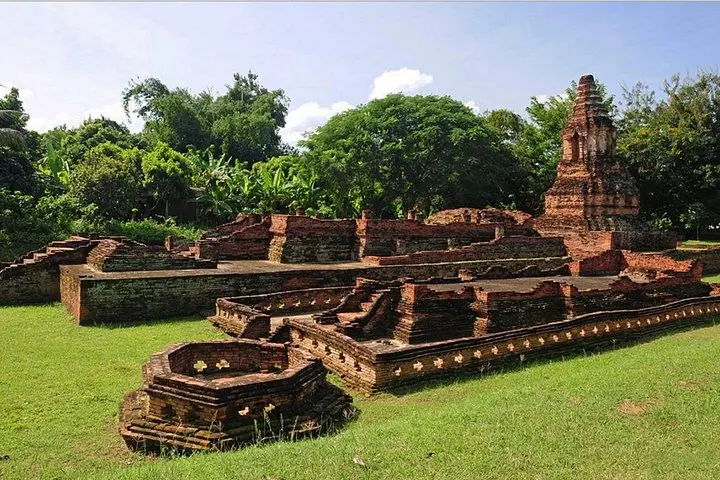
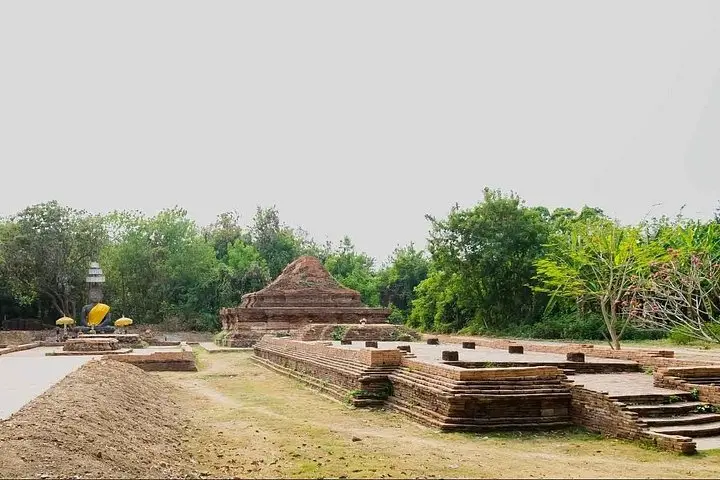
You arrive along the slow bend of the Ping River where grasses whisper and brick chedis push up through low scrub — Wiang Kum Kam feels like a city that has been gently nudged back into the light. The tour begins with a horse-drawn carriage ride that sets a deliberate pace: close enough to the ruins to hear the stone speak, far enough to appreciate how water and time rearranged human ambition.
Verified experiences and guided adventures in the surrounding area.
Operated by I Asia Thailand · Chiang Mai, Chiang Mai Province
You arrive along the slow bend of the Ping River where grasses whisper and brick chedis push up through low scrub — Wiang Kum Kam feels like a city that has been gently nudged back into the light. The tour begins with a horse-drawn carriage ride that sets a deliberate pace: close enough to the ruins to hear the stone speak, far enough to appreciate how water and time rearranged human ambition.
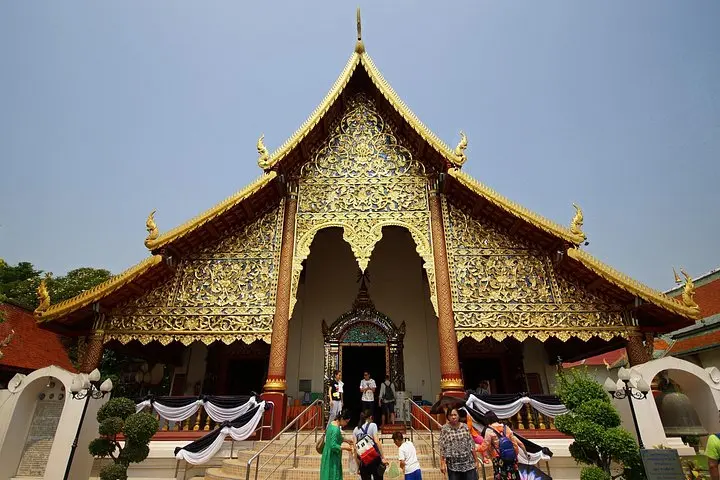
Founded by King Mangrai in the 13th century and later abandoned after repeated flooding, Wiang Kum Kam is an archaeological patchwork of temples, stupas and buried walls. Wat Chang Kham’s carved doorways and Wat Ku Tao’s distinctive bell-shaped chedi reflect Lanna-era craftsmanship and Chiang Mai’s shifting riverine landscape. The nearby Chiang Mai City Arts & Cultural Centre expands the context with maps, artifacts and an audiovisual timeline that places these ruins inside a living city’s history.
Geology here is plain but decisive: river silt raised then stripped the plain, layering occupation sites beneath modern fields. Culture is close at hand — local guides explain ceremony, agricultural rhythms and how the Ping once dared residents to adapt or move. Expect short walks across uneven grounds, shaded stretches, and open sites exposed to sun and breeze.
Practical guidance: wear supportive shoes, bring sun protection and water, and plan the ride for morning or late afternoon when heat is lower. Photography is excellent; respect active shrines and avoid trampling foundations. This half-day experience pairs historical curiosity with low-impact outdoor exploration — a compact introduction to the origins of Chiang Mai.
Yes — the operator notes stroller access and infant seating; children 11 and younger must be accompanied by a paying adult.
Admission to some sites like the Chiang Mai City Arts & Cultural Centre is included per the itinerary; confirm specifics with your booking.
The tour is listed as wheelchair accessible, though some archaeological areas are uneven — notify the operator ahead so they can plan the route.
Guides are provided in English; Spanish, French, German and Russian can be added with an upgrade (subject to availability and supplement).
I Asia Thailand operates guided outdoor trips and adventures with an emphasis on safety, stewardship, and memorable experiences.
You arrive along the slow bend of the Ping River where grasses whisper and brick chedis push up through low scrub — Wiang Kum Kam feels like a city that has been gently nudged back into the light. The tour begins with a horse-drawn carriage ride that sets a deliberate pace: close enough to the ruins to hear the stone speak, far enough to appreciate how water and time rearranged human ambition.
You arrive along the slow bend of the Ping River where grasses whisper and brick chedis push up through low scrub — Wiang Kum Kam feels like a city that has been gently nudged back into the light. The tour begins with a horse-drawn carriage ride that sets a deliberate pace: close enough to the ruins to hear the stone speak, far enough to appreciate how water and time rearranged human ambition.
Founded by King Mangrai in the 13th century and later abandoned after repeated flooding, Wiang Kum Kam is an archaeological patchwork of temples, stupas and buried walls. Wat Chang Kham’s carved doorways and Wat Ku Tao’s distinctive bell-shaped chedi reflect Lanna-era craftsmanship and Chiang Mai’s shifting riverine landscape. The nearby Chiang Mai City Arts & Cultural Centre expands the context with maps, artifacts and an audiovisual timeline that places these ruins inside a living city’s history.
Geology here is plain but decisive: river silt raised then stripped the plain, layering occupation sites beneath modern fields. Culture is close at hand — local guides explain ceremony, agricultural rhythms and how the Ping once dared residents to adapt or move. Expect short walks across uneven grounds, shaded stretches, and open sites exposed to sun and breeze.
Practical guidance: wear supportive shoes, bring sun protection and water, and plan the ride for morning or late afternoon when heat is lower. Photography is excellent; respect active shrines and avoid trampling foundations. This half-day experience pairs historical curiosity with low-impact outdoor exploration — a compact introduction to the origins of Chiang Mai.