THE ADVENTURE COLLECTIVE® · Independent discovery and booking for outdoor travel

Explore the sun-baked ruins of Wiang Kum Kam and the historic Wat Chiang Man on a compact, private tour from Chiang Mai. Walk archaeological mounds, meet centuries-old Buddha images, and learn how river silt and history shaped northern Thailand.
Explore the sun-baked ruins of Wiang Kum Kam and the historic Wat Chiang Man on a compact, private tour from Chiang Mai. Walk archaeological mounds, meet centuries-old Buddha images, and learn how river silt and history shaped northern Thailand.
You step off the minivan and the river air—warm, faintly sweet with rice smoke—meets you. Low mounds of brick poke from grass where streets once ran; banyan roots have begun to re-inscribe straight lines into curving trunks. This is Wiang Kum Kam: a sun-soft archaeological landscape south of Chiang Mai where a capital once stood, then sank beneath Ping River silt.
Verified experiences and guided adventures in the surrounding area.
Operated by I Asia Thailand · Chiang Mai, Chiang Mai Province
You step off the minivan and the river air—warm, faintly sweet with rice smoke—meets you. Low mounds of brick poke from grass where streets once ran; banyan roots have begun to re-inscribe straight lines into curving trunks. This is Wiang Kum Kam: a sun-soft archaeological landscape south of Chiang Mai where a capital once stood, then sank beneath Ping River silt.
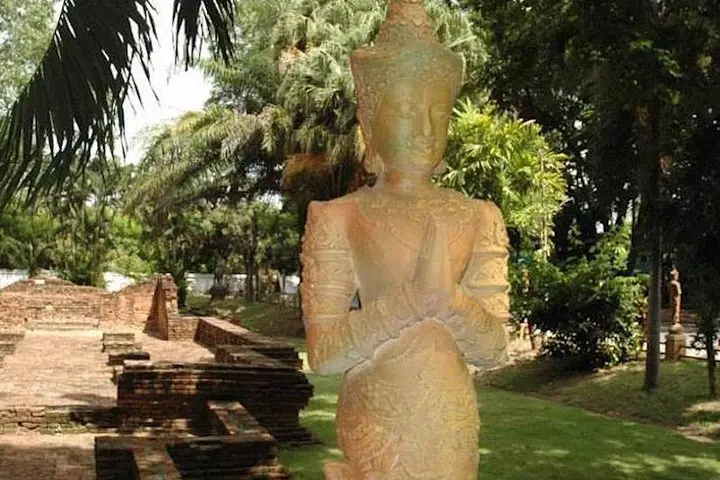
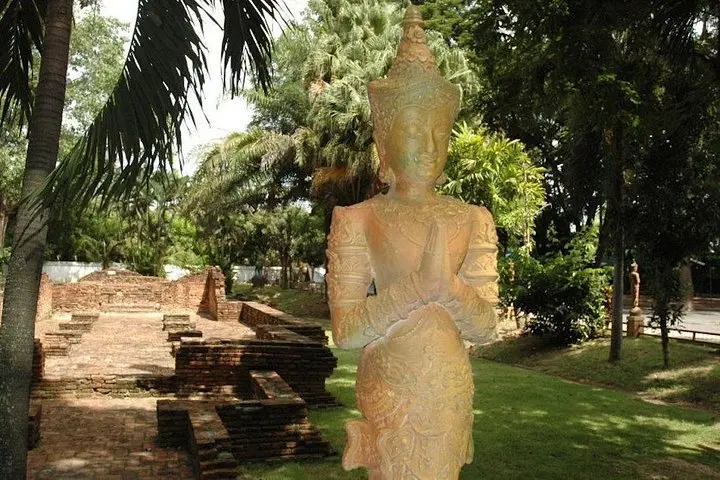
Founded by King Mangrai in the 13th century, Wiang Kum Kam predates the Chiang Mai you know; its ruined chedis and low temples tell a practical history of river dynamics and human adaptation. Nearby, Wat Chiang Man—the city’s oldest standing temple—offers a contrast: intact stucco roofs, shaded viharns, and two revered Buddhas, Phra Sila and Phra Sae Koo, each a focus for local belief and quiet ritual.
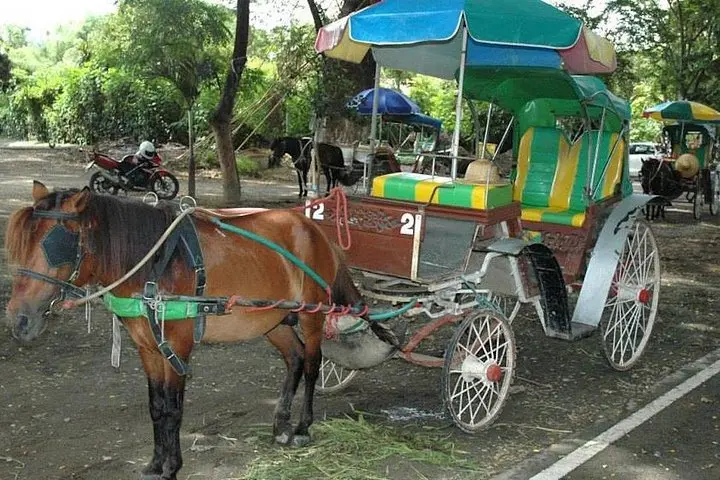
The tour usually threads together carriage rides, the archaeological mounds, the Three Kings Monument, and the Chiang Mai City Arts and Cultural Centre, where restored 1920s government halls hold maps, photos, and audiovisual histories that put the ruins in context.
Practically: go in the cooler morning or late afternoon, wear sturdy walking shoes for uneven earth, and bring sun protection and water. Respect temple dress codes—shoulders and knees covered—and keep to marked paths; many sites are fragile. Photography is welcome, but avoid climbing chedis and follow guidance from your guide. The best visit balances curiosity with restraint: listen to the river’s story in the soil and let the past reveal itself one brick at a time.
The tour runs about 3–4 hours (approximately 210 minutes) including hotel pickup, Wiang Kum Kam, Wat Chiang Man, and the Chiang Mai City Arts and Cultural Centre.
Admission to the Chiang Mai City Arts and Cultural Centre is included per the itinerary; check with the operator for current inclusions on other sites.
The tour notes wheelchair accessibility for transportation and some sites, but on-site terrain at Wiang Kum Kam can be uneven—advise the operator of mobility needs when booking.
Dress modestly: shoulders and knees covered; remove shoes before entering temple buildings and avoid loud clothing or behavior inside shrines.
I Asia Thailand operates guided outdoor trips and adventures with an emphasis on safety, stewardship, and memorable experiences.
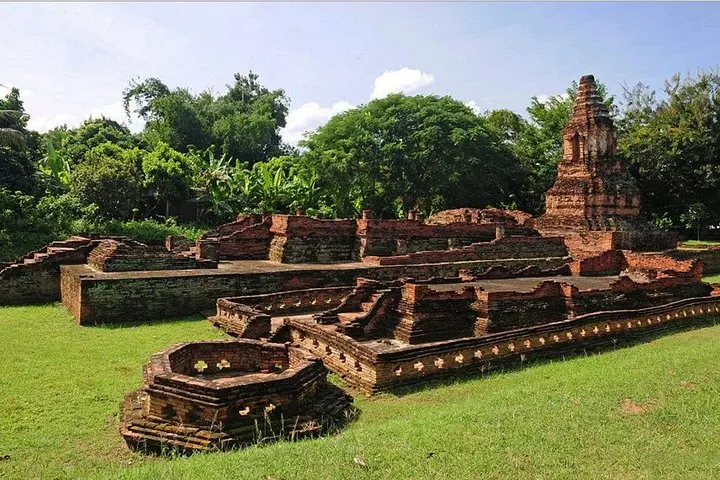
You step off the minivan and the river air—warm, faintly sweet with rice smoke—meets you. Low mounds of brick poke from grass where streets once ran; banyan roots have begun to re-inscribe straight lines into curving trunks. This is Wiang Kum Kam: a sun-soft archaeological landscape south of Chiang Mai where a capital once stood, then sank beneath Ping River silt.
You step off the minivan and the river air—warm, faintly sweet with rice smoke—meets you. Low mounds of brick poke from grass where streets once ran; banyan roots have begun to re-inscribe straight lines into curving trunks. This is Wiang Kum Kam: a sun-soft archaeological landscape south of Chiang Mai where a capital once stood, then sank beneath Ping River silt.
Founded by King Mangrai in the 13th century, Wiang Kum Kam predates the Chiang Mai you know; its ruined chedis and low temples tell a practical history of river dynamics and human adaptation. Nearby, Wat Chiang Man—the city’s oldest standing temple—offers a contrast: intact stucco roofs, shaded viharns, and two revered Buddhas, Phra Sila and Phra Sae Koo, each a focus for local belief and quiet ritual.
The tour usually threads together carriage rides, the archaeological mounds, the Three Kings Monument, and the Chiang Mai City Arts and Cultural Centre, where restored 1920s government halls hold maps, photos, and audiovisual histories that put the ruins in context.
Practically: go in the cooler morning or late afternoon, wear sturdy walking shoes for uneven earth, and bring sun protection and water. Respect temple dress codes—shoulders and knees covered—and keep to marked paths; many sites are fragile. Photography is welcome, but avoid climbing chedis and follow guidance from your guide. The best visit balances curiosity with restraint: listen to the river’s story in the soil and let the past reveal itself one brick at a time.