THE ADVENTURE COLLECTIVE® · Independent discovery and booking for outdoor travel

Step 135 meters below the surface for a 3‑hour guided tour through sculpted salt chambers and the famed Chapel of St. Kinga. This skip‑the‑line ticket shortens wait times and delivers historical context, cool subterranean air and finely carved salt art.
Step 135 meters below the surface for a 3‑hour guided tour through sculpted salt chambers and the famed Chapel of St. Kinga. This skip‑the‑line ticket shortens wait times and delivers historical context, cool subterranean air and finely carved salt art.
Descending a carved stone stairwell, the shaft narrows and the air cools; the salt walls change from raw seams to sculpted halls that hold the hush of centuries. The guided, skip‑the‑line walk drops visitors roughly 135 meters below ground along a 3‑kilometer tourist route, moving through chapels, chambers and galleries that miners and artists shaped by hand.
Verified experiences and guided adventures in the surrounding area.
Operated by KrakowBooking.com · Wieliczka, Lesser Poland Voivodeship
Descending a carved stone stairwell, the shaft narrows and the air cools; the salt walls change from raw seams to sculpted halls that hold the hush of centuries. The guided, skip‑the‑line walk drops visitors roughly 135 meters below ground along a 3‑kilometer tourist route, moving through chapels, chambers and galleries that miners and artists shaped by hand.
The mine’s history reaches back to medieval times—nearly nine centuries of extraction—and it earned international attention as a cultural site that preserves mining techniques, religious art and social history. Geologically, the passages cut through thick evaporite deposits left by an ancient inland sea; the salt itself has been carved into reliefs, altars and a celebrated Chapel of St. Kinga. Local culture ties the mine to Kraków’s industrial past and to seasonal pilgrimages, while the mine’s steady microclimate (cool, stable temperatures and mineral‑rich air) is often noted by visitors.
Practical guidance: allow about three hours, wear sturdy closed‑toe shoes and a light jacket—the underground temperature sits around cool room levels year‑round. The route involves several flights of stairs; elevators are available on request but should be arranged in advance. Book skip‑the‑line tickets to reduce wait times at peak season, and follow the guide’s instructions in fragile chambers to protect carved salt features. Hydrate before you descend and bring a charged camera battery; check language availability when booking. Expect an experience that feels part history lesson, part subterranean architecture tour—rigorous on the feet but gentle on fitness requirements.
The guided route is approximately 3 hours and covers about 3 kilometers of underground passageways.
Yes—elevator access is available on special request; contact the operator in advance to arrange it.
The route is suitable for most visitors and the microclimate is often described as stable and mineral‑rich, but anyone with serious health concerns should consult a physician before visiting.
Photography is generally allowed, but guests must follow guide instructions and respect any no‑flash or restricted‑access areas to protect the salt art.
KrakowBooking.com operates guided outdoor trips and adventures with an emphasis on safety, stewardship, and memorable experiences.
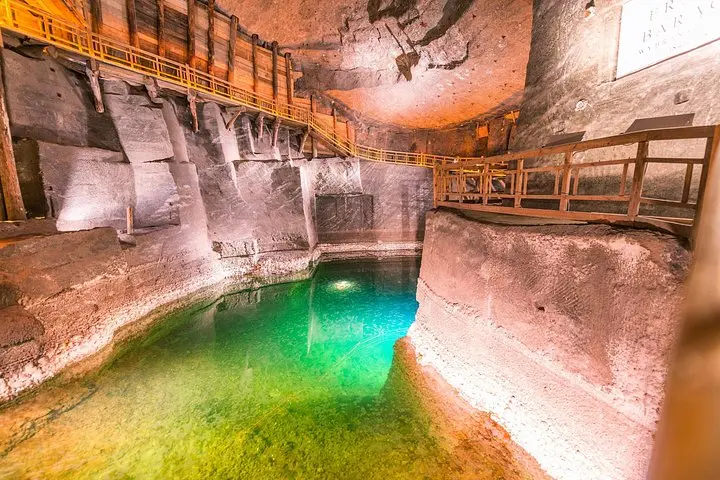
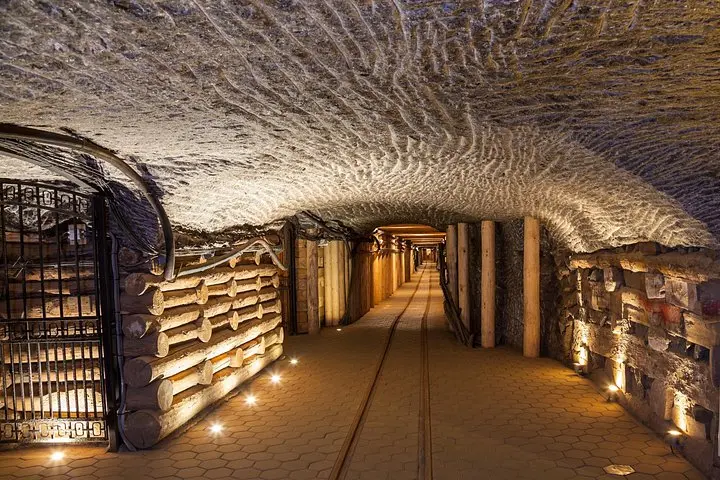
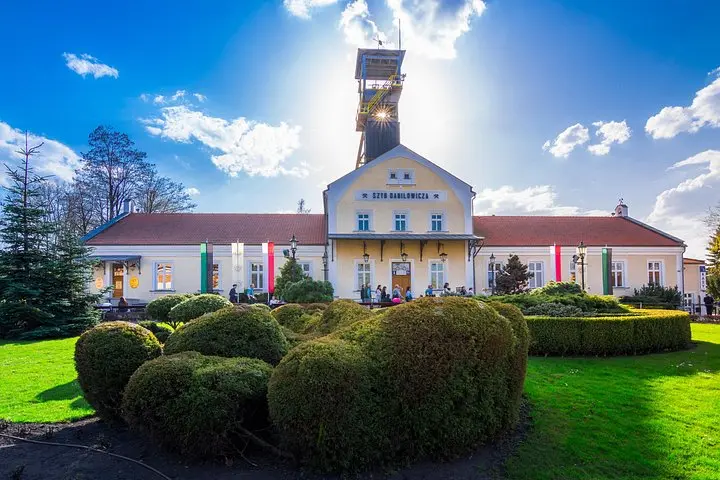
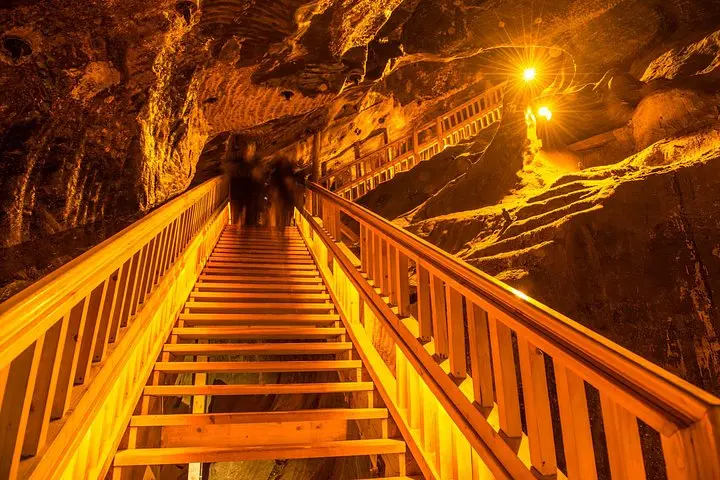
Descending a carved stone stairwell, the shaft narrows and the air cools; the salt walls change from raw seams to sculpted halls that hold the hush of centuries. The guided, skip‑the‑line walk drops visitors roughly 135 meters below ground along a 3‑kilometer tourist route, moving through chapels, chambers and galleries that miners and artists shaped by hand.
Descending a carved stone stairwell, the shaft narrows and the air cools; the salt walls change from raw seams to sculpted halls that hold the hush of centuries. The guided, skip‑the‑line walk drops visitors roughly 135 meters below ground along a 3‑kilometer tourist route, moving through chapels, chambers and galleries that miners and artists shaped by hand.
The mine’s history reaches back to medieval times—nearly nine centuries of extraction—and it earned international attention as a cultural site that preserves mining techniques, religious art and social history. Geologically, the passages cut through thick evaporite deposits left by an ancient inland sea; the salt itself has been carved into reliefs, altars and a celebrated Chapel of St. Kinga. Local culture ties the mine to Kraków’s industrial past and to seasonal pilgrimages, while the mine’s steady microclimate (cool, stable temperatures and mineral‑rich air) is often noted by visitors.
Practical guidance: allow about three hours, wear sturdy closed‑toe shoes and a light jacket—the underground temperature sits around cool room levels year‑round. The route involves several flights of stairs; elevators are available on request but should be arranged in advance. Book skip‑the‑line tickets to reduce wait times at peak season, and follow the guide’s instructions in fragile chambers to protect carved salt features. Hydrate before you descend and bring a charged camera battery; check language availability when booking. Expect an experience that feels part history lesson, part subterranean architecture tour—rigorous on the feet but gentle on fitness requirements.