THE ADVENTURE COLLECTIVE® · Independent discovery and booking for outdoor travel

Descend into chambers carved from pure salt and trace centuries of mining craft on this guided Wieliczka Salt Mine tour with hotel transfers from Kraków. Expect vaulted chapels, salt chandeliers and a steady, restorative microclimate on a 3‑hour underground route.
Descend into chambers carved from pure salt and trace centuries of mining craft on this guided Wieliczka Salt Mine tour with hotel transfers from Kraków. Expect vaulted chapels, salt chandeliers and a steady, restorative microclimate on a 3‑hour underground route.
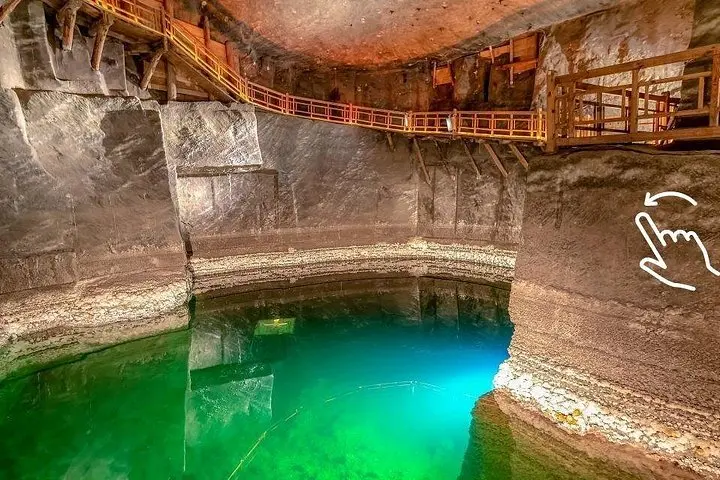
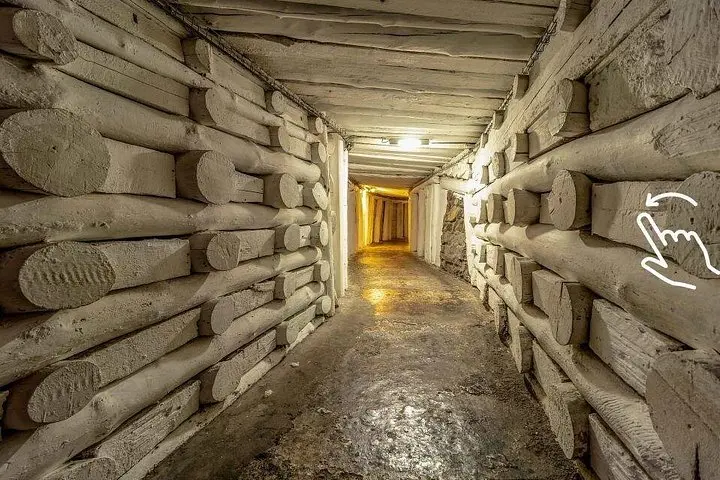
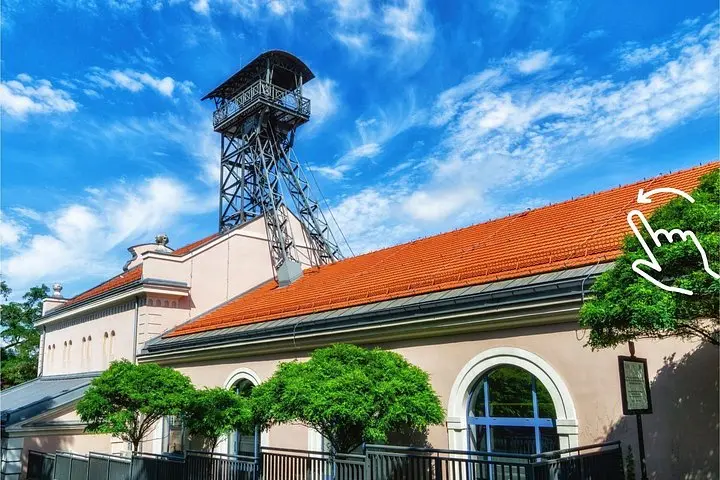
You step off the minivan into a cool, dry hush—the air below ground steady at about 14°C, carrying the faint metallic scent of salt. The driver hands you your ticket and a guide leads you to a narrow stairwell; light recedes and carved walls begin to take the shape of chapels, reliefs and chandeliers made of crystalline salt. The Szola lift waits at the end of the route, an old miners’ elevator that will carry you back toward daylight.
Verified experiences and guided adventures in the surrounding area.
Operated by Thousand Miles Krakow · Wieliczka, Lesser Poland Voivodeship
You step off the minivan into a cool, dry hush—the air below ground steady at about 14°C, carrying the faint metallic scent of salt. The driver hands you your ticket and a guide leads you to a narrow stairwell; light recedes and carved walls begin to take the shape of chapels, reliefs and chandeliers made of crystalline salt. The Szola lift waits at the end of the route, an old miners’ elevator that will carry you back toward daylight.
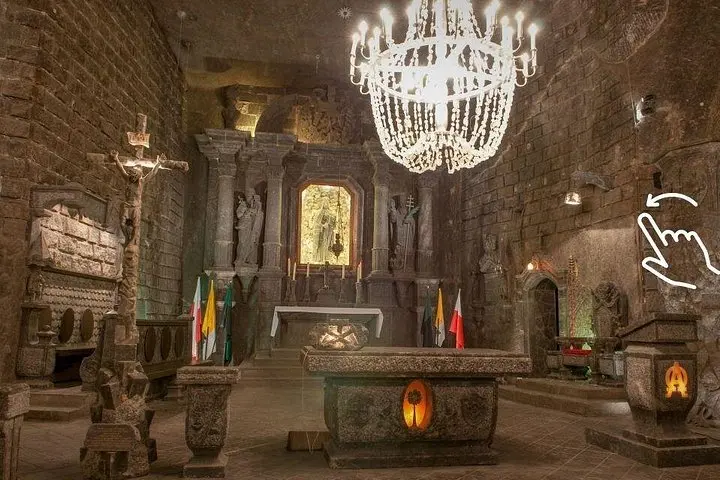
Wieliczka has been worked since medieval times; salt extraction here powered local trade and Kraków’s growth. Geologically, the mine sits in evaporite beds where ancient seas left thick halite layers—salt that miners turned into halls, religious carvings and practical architecture. The underground St. Kinga Chapel is a highlight: a vaulted room hewn and sculpted from salt, lit to reveal carvings and a crystal-like altar.
Culturally, the mine has been a pilgrimage of labor and craft, earning UNESCO World Heritage status for its combination of industrial, artistic and spiritual heritage. The microclimate has long attracted people with respiratory issues; walking corridors and chambers can feel restorative, though the tour still requires effort.
Practical guide: the standard guided route includes roughly 3 hours underground and uses about 800 steps total (down and up). Wear sturdy closed shoes, bring a light jacket, and budget 4–5 hours including transfers from Kraków. The guided format includes entrance and return hotel drop-off; follow your guide, avoid touching salt carvings, and ride the Szola elevator as directed near the end of the tour.
The guided route inside the mine runs about 3 hours; total door‑to‑door time including hotel transfers is typically 4–5 hours.
The route includes many stairs and narrow passages; it is not suitable for most wheelchair users and may be difficult for those with limited mobility.
Photography is generally allowed in main chambers but follow guides’ instructions—some rooms restrict flash or tripods to protect salt works.
Not recommended for pregnant guests or travelers with serious heart problems; children are welcome but must be supervised on stairs and platforms.
Thousand Miles Krakow operates guided outdoor trips and adventures with an emphasis on safety, stewardship, and memorable experiences.
You step off the minivan into a cool, dry hush—the air below ground steady at about 14°C, carrying the faint metallic scent of salt. The driver hands you your ticket and a guide leads you to a narrow stairwell; light recedes and carved walls begin to take the shape of chapels, reliefs and chandeliers made of crystalline salt. The Szola lift waits at the end of the route, an old miners’ elevator that will carry you back toward daylight.
You step off the minivan into a cool, dry hush—the air below ground steady at about 14°C, carrying the faint metallic scent of salt. The driver hands you your ticket and a guide leads you to a narrow stairwell; light recedes and carved walls begin to take the shape of chapels, reliefs and chandeliers made of crystalline salt. The Szola lift waits at the end of the route, an old miners’ elevator that will carry you back toward daylight.
Wieliczka has been worked since medieval times; salt extraction here powered local trade and Kraków’s growth. Geologically, the mine sits in evaporite beds where ancient seas left thick halite layers—salt that miners turned into halls, religious carvings and practical architecture. The underground St. Kinga Chapel is a highlight: a vaulted room hewn and sculpted from salt, lit to reveal carvings and a crystal-like altar.
Culturally, the mine has been a pilgrimage of labor and craft, earning UNESCO World Heritage status for its combination of industrial, artistic and spiritual heritage. The microclimate has long attracted people with respiratory issues; walking corridors and chambers can feel restorative, though the tour still requires effort.
Practical guide: the standard guided route includes roughly 3 hours underground and uses about 800 steps total (down and up). Wear sturdy closed shoes, bring a light jacket, and budget 4–5 hours including transfers from Kraków. The guided format includes entrance and return hotel drop-off; follow your guide, avoid touching salt carvings, and ride the Szola elevator as directed near the end of the tour.