THE ADVENTURE COLLECTIVE® · Independent discovery and booking for outdoor travel

Spend a day moving from granite trails to cold, clear pools on this guided walk through Peneda-Gerês. Short walks link seven lagoons and waterfalls, a village visit and a picnic of Portuguese snacks — plus plenty of time for wild baths and photography.
Spend a day moving from granite trails to cold, clear pools on this guided walk through Peneda-Gerês. Short walks link seven lagoons and waterfalls, a village visit and a picnic of Portuguese snacks — plus plenty of time for wild baths and photography.
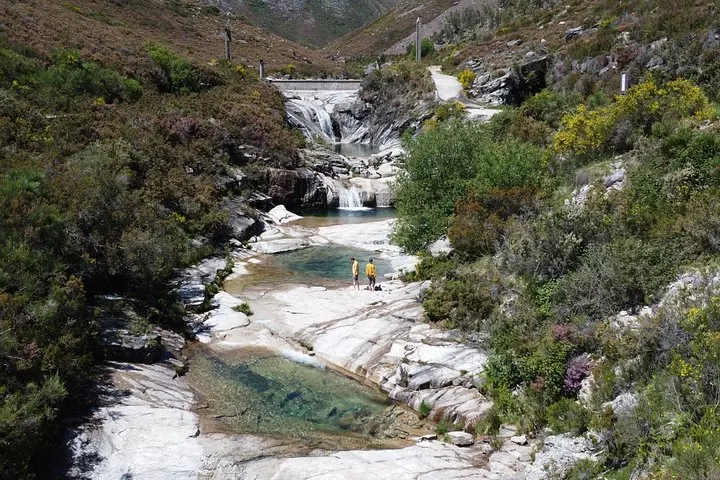
The minivan eases off the narrow mountain road and the air changes: it smells of granite dust and wet moss. In less than an hour from Porto’s Rua Santa Catarina, the city’s glass-and-stone clatter is replaced by a chorus of rushing water and the low call of craggy ravens. Guests step out onto a path that threads through heather and oak, and ahead the seven lagoons glitter like a sequence of green jewels stacked down the hillside. The guide gestures toward a granite stair chiseled by centuries of water and invites the group to take a first plunge — cold, immediate, honest.
Verified experiences and guided adventures in the surrounding area.
Operated by Grapes journeys · Caldas do Gerês, Braga
The minivan eases off the narrow mountain road and the air changes: it smells of granite dust and wet moss. In less than an hour from Porto’s Rua Santa Catarina, the city’s glass-and-stone clatter is replaced by a chorus of rushing water and the low call of craggy ravens. Guests step out onto a path that threads through heather and oak, and ahead the seven lagoons glitter like a sequence of green jewels stacked down the hillside. The guide gestures toward a granite stair chiseled by centuries of water and invites the group to take a first plunge — cold, immediate, honest.
Peneda-Gerês is Portugal’s only national park and it wears its geology plainly: steep schist and granite slopes carved by glaciation and millennia of riverine erosion. The lagoons are not identical pools but a linked system of basins and waterfalls, each shaped where softer rock gave way and water cut new channels. Human history here is quiet but persistent — shepherd terraces, stone houses in community villages and ancient chestnut groves that map a way of life still practiced in pockets across northeastern Portugal.
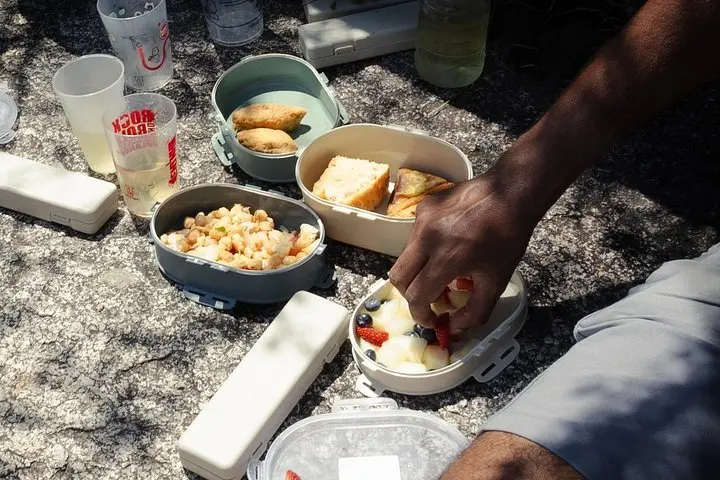
Culturally, the day is as much about the people as the water. The itinerary includes a stop in one of the area’s remaining community villages, where terraces and granite roofs echo subsistence farming traditions and where local snacks for the picnic are made from regional cheese, cured meats and corn bread. The picnic is not an afterthought but part of the rhythm: food shared on a slab of rock, water cooling the sun-warmed hands.
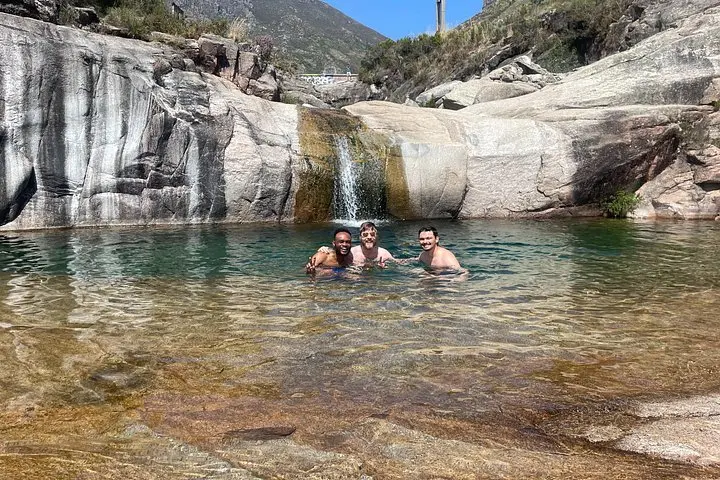
Practically, the route is a series of short walks totaling around 4 km on clearly marked trails with some rocky, uneven sections and short descents to each lagoon. Walkers should expect crisp, cold swims in clear water, so bring a quick-dry suit and a towel. The full experience runs about nine hours door-to-door, including minivan transport from Porto, multiple short hikes, a picnic lunch and plenty of time for wild baths and photography.
Plan for variable weather: mountain sun can turn to wind or rain within the hour. Wear layered clothing, sturdy footwear with grip for slippery rocks, and pack a dry bag for electronics. Hydrate before and during the hike; although bottled water is provided, a personal bottle is handy. The trip is small-group and accessible to most fitness levels, but those with limited mobility should note there are rocky approaches to many of the pools.
By afternoon the lagoons reflect the sky with a different color and the guide steers the group back toward the minivan, boots dusted and cameras full. It’s a day built around simple elements — rock, water, and a way of living with the land — but it arrives with the kind of clarity that makes you remember the weight of moving through wild places.
The tour meets at Rua Santa Catarina in Porto (door of the restaurant Grotta) and returns there at the end of the day.
Hiking consists of multiple short walks totaling about 4 km with some uneven and rocky sections; it is suitable for most fitness levels but not fully wheelchair accessible.
Yes—guides include time for wild baths; water is clear and cold, so bring swimwear and a towel or layer for warmth after swimming.
The tour is small-group with up to 8 travelers. Mobile tickets accepted; cancel at least 24 hours before departure for a full refund.
Breakfast, bottled water and a picnic lunch featuring local Portuguese snacks are included in the tour price.
Service animals are permitted, but regular pets are not recommended due to terrain and wildlife considerations.
Grapes journeys operates guided outdoor trips and adventures with an emphasis on safety, stewardship, and memorable experiences.
The minivan eases off the narrow mountain road and the air changes: it smells of granite dust and wet moss. In less than an hour from Porto’s Rua Santa Catarina, the city’s glass-and-stone clatter is replaced by a chorus of rushing water and the low call of craggy ravens. Guests step out onto a path that threads through heather and oak, and ahead the seven lagoons glitter like a sequence of green jewels stacked down the hillside. The guide gestures toward a granite stair chiseled by centuries of water and invites the group to take a first plunge — cold, immediate, honest.
The minivan eases off the narrow mountain road and the air changes: it smells of granite dust and wet moss. In less than an hour from Porto’s Rua Santa Catarina, the city’s glass-and-stone clatter is replaced by a chorus of rushing water and the low call of craggy ravens. Guests step out onto a path that threads through heather and oak, and ahead the seven lagoons glitter like a sequence of green jewels stacked down the hillside. The guide gestures toward a granite stair chiseled by centuries of water and invites the group to take a first plunge — cold, immediate, honest.
Peneda-Gerês is Portugal’s only national park and it wears its geology plainly: steep schist and granite slopes carved by glaciation and millennia of riverine erosion. The lagoons are not identical pools but a linked system of basins and waterfalls, each shaped where softer rock gave way and water cut new channels. Human history here is quiet but persistent — shepherd terraces, stone houses in community villages and ancient chestnut groves that map a way of life still practiced in pockets across northeastern Portugal.
Culturally, the day is as much about the people as the water. The itinerary includes a stop in one of the area’s remaining community villages, where terraces and granite roofs echo subsistence farming traditions and where local snacks for the picnic are made from regional cheese, cured meats and corn bread. The picnic is not an afterthought but part of the rhythm: food shared on a slab of rock, water cooling the sun-warmed hands.
Practically, the route is a series of short walks totaling around 4 km on clearly marked trails with some rocky, uneven sections and short descents to each lagoon. Walkers should expect crisp, cold swims in clear water, so bring a quick-dry suit and a towel. The full experience runs about nine hours door-to-door, including minivan transport from Porto, multiple short hikes, a picnic lunch and plenty of time for wild baths and photography.
Plan for variable weather: mountain sun can turn to wind or rain within the hour. Wear layered clothing, sturdy footwear with grip for slippery rocks, and pack a dry bag for electronics. Hydrate before and during the hike; although bottled water is provided, a personal bottle is handy. The trip is small-group and accessible to most fitness levels, but those with limited mobility should note there are rocky approaches to many of the pools.
By afternoon the lagoons reflect the sky with a different color and the guide steers the group back toward the minivan, boots dusted and cameras full. It’s a day built around simple elements — rock, water, and a way of living with the land — but it arrives with the kind of clarity that makes you remember the weight of moving through wild places.