THE ADVENTURE COLLECTIVE® · Independent discovery and booking for outdoor travel

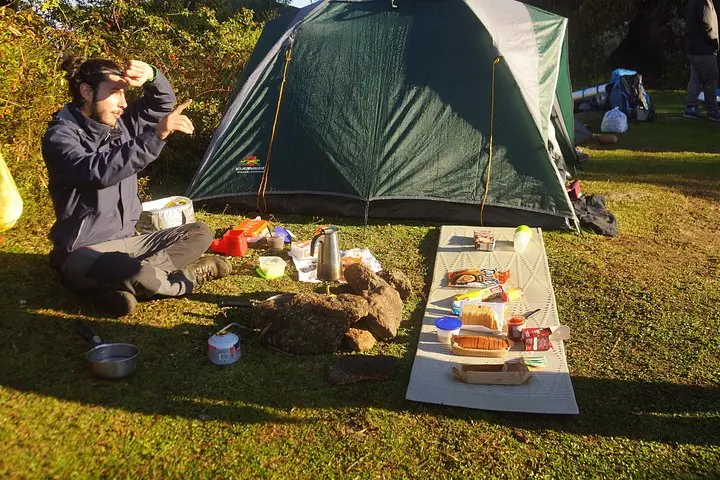
Traverse two days of preserved Atlantic Forest between Monte Verde and São Francisco Xavier, camping in tents and hiking rugged ridgelines. Expect rocky ascents, sudden weather shifts, and guide-supported wild camping through the Serra da Mantiqueira.
Traverse two days of preserved Atlantic Forest between Monte Verde and São Francisco Xavier, camping in tents and hiking rugged ridgelines. Expect rocky ascents, sudden weather shifts, and guide-supported wild camping through the Serra da Mantiqueira.
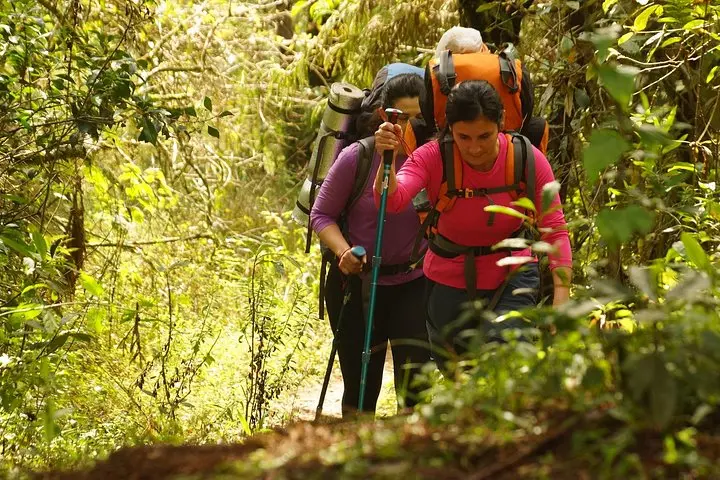
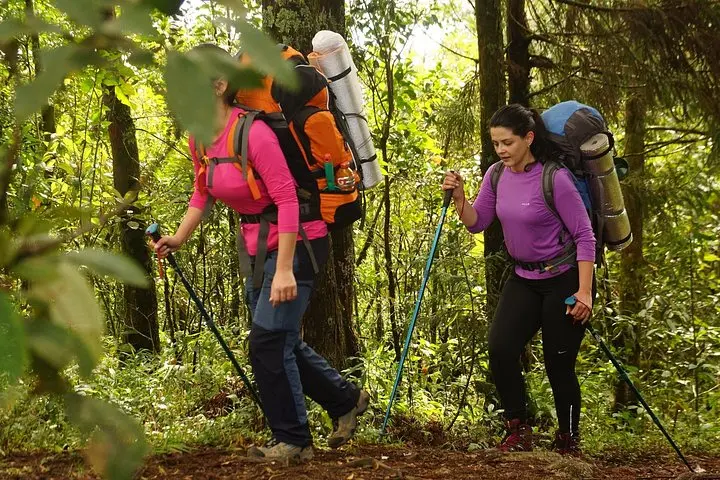
A dawn mist lifts from the ridgelines as you step off the trail in Monte Verde and into a green world that feels older than the map. The forest drinks the first sun; leaves glisten and a narrow path threads through mossy trunks, rising toward Pico da Onça and the high spine of the Serra da Mantiqueira. Over two days you cross state borders, sleeping under canvas, following routes that pass preserved Atlantic Forest and sudden, open viewpoints that push sightlines across valleys.
Verified experiences and guided adventures in the surrounding area.
Operated by Nossa Viagem · Monte Verde, Minas Gerais
A dawn mist lifts from the ridgelines as you step off the trail in Monte Verde and into a green world that feels older than the map. The forest drinks the first sun; leaves glisten and a narrow path threads through mossy trunks, rising toward Pico da Onça and the high spine of the Serra da Mantiqueira. Over two days you cross state borders, sleeping under canvas, following routes that pass preserved Atlantic Forest and sudden, open viewpoints that push sightlines across valleys.
Geology here is raw: folded gneiss and granite create the jagged highlands that catch cloud and rain, feeding streams that carve steep ravines. Culturally the route stitches small mountain settlements—Monte Verde and São Francisco Xavier—whose rural farmsteads and coffee groves reflect a history of frontier agriculture and mountain tourism. Guides who run these crossings know both the land and its seasonal moods.
Practically: expect uneven, often rocky trails, intermittent steep ascents, and sections of dense understory. Camping is primitive; tents and meals are included, but you’ll carry a daypack with water and layers. Navigation is guide-led, but basic map sense helps. Aim for lightweight, quick-dry clothing, waterproof layers for sudden showers, and footwear that can handle mud and scree. Hydrate early, allow time for high-elevation weather shifts, and plan arrival to Monte Verde the day before your start. This crossing rewards steady pace over speed—move deliberately, read the terrain, and let the mountains set the rhythm.
Travelers should have a moderate fitness level—able to hike several hours a day with a daypack and manage short steep sections; guides handle route-finding and campsite setup.
Yes—overnight accommodation in tents and meals as per itinerary (dinner first night, breakfast on day two) are included; bring snacks and personal food if you have dietary needs.
Mountain weather is changeable—cool nights, warm mornings, and frequent afternoon showers in wet seasons; prepare for wind and rain on exposed ridgelines.
Not recommended for very young children, pregnant travelers, or those with serious spinal or cardiovascular conditions due to uneven terrain and camping conditions.
Nossa Viagem operates guided outdoor trips and adventures with an emphasis on safety, stewardship, and memorable experiences.
A dawn mist lifts from the ridgelines as you step off the trail in Monte Verde and into a green world that feels older than the map. The forest drinks the first sun; leaves glisten and a narrow path threads through mossy trunks, rising toward Pico da Onça and the high spine of the Serra da Mantiqueira. Over two days you cross state borders, sleeping under canvas, following routes that pass preserved Atlantic Forest and sudden, open viewpoints that push sightlines across valleys.
A dawn mist lifts from the ridgelines as you step off the trail in Monte Verde and into a green world that feels older than the map. The forest drinks the first sun; leaves glisten and a narrow path threads through mossy trunks, rising toward Pico da Onça and the high spine of the Serra da Mantiqueira. Over two days you cross state borders, sleeping under canvas, following routes that pass preserved Atlantic Forest and sudden, open viewpoints that push sightlines across valleys.
Geology here is raw: folded gneiss and granite create the jagged highlands that catch cloud and rain, feeding streams that carve steep ravines. Culturally the route stitches small mountain settlements—Monte Verde and São Francisco Xavier—whose rural farmsteads and coffee groves reflect a history of frontier agriculture and mountain tourism. Guides who run these crossings know both the land and its seasonal moods.
Practically: expect uneven, often rocky trails, intermittent steep ascents, and sections of dense understory. Camping is primitive; tents and meals are included, but you’ll carry a daypack with water and layers. Navigation is guide-led, but basic map sense helps. Aim for lightweight, quick-dry clothing, waterproof layers for sudden showers, and footwear that can handle mud and scree. Hydrate early, allow time for high-elevation weather shifts, and plan arrival to Monte Verde the day before your start. This crossing rewards steady pace over speed—move deliberately, read the terrain, and let the mountains set the rhythm.