THE ADVENTURE COLLECTIVE® · Independent discovery and booking for outdoor travel

Work with clay pulled from the hills around Cuyamaca Woods in a three-hour earthenware workshop just outside Julian. Learn to identify, process, and shape local clay, then take home firing instructions and a raw vessel to finish.
Work with clay pulled from the hills around Cuyamaca Woods in a three-hour earthenware workshop just outside Julian. Learn to identify, process, and shape local clay, then take home firing instructions and a raw vessel to finish.
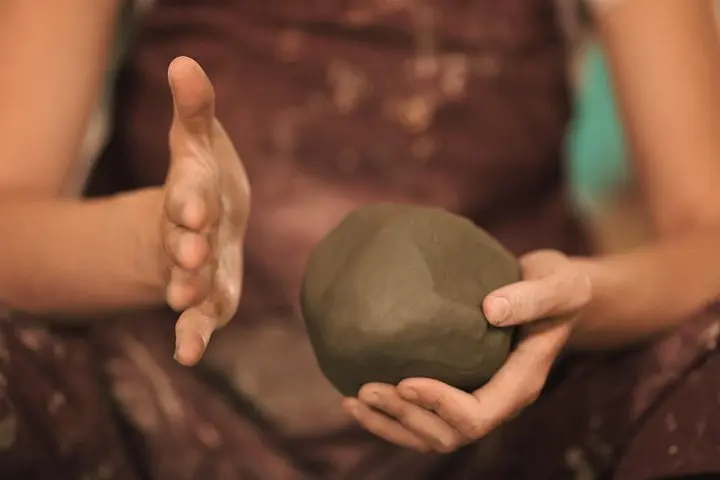
A low sun washes the oak-strewn ridges around Lake Cuyamaca as participants gather for a short caravan into Cuyamaca Woods. The studio is off-grid and simple — a worktable, clay waiting in shallow tubs, and a wide view that can carry your eye from North Peak down toward the Pacific. The first pinch of clay feels like an invitation from the land; it gives, cool and grainy, as if the hill itself is offering you a tool.
Verified experiences and guided adventures in the surrounding area.
Operated by BECKY SANGHA · Julian, California
A low sun washes the oak-strewn ridges around Lake Cuyamaca as participants gather for a short caravan into Cuyamaca Woods. The studio is off-grid and simple — a worktable, clay waiting in shallow tubs, and a wide view that can carry your eye from North Peak down toward the Pacific. The first pinch of clay feels like an invitation from the land; it gives, cool and grainy, as if the hill itself is offering you a tool.
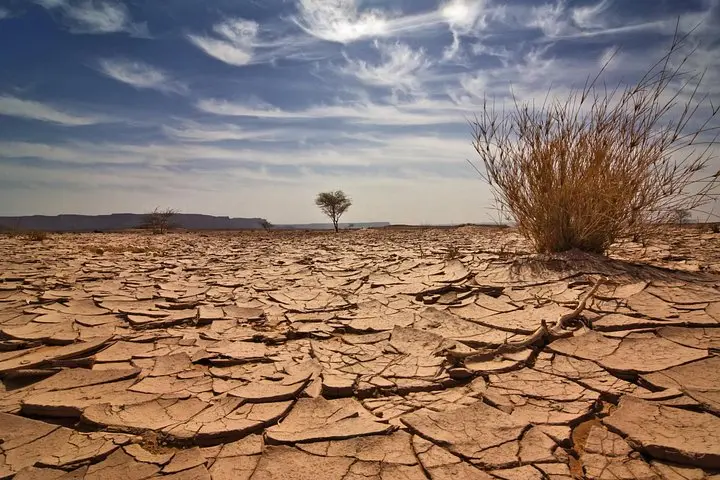
This part of San Diego County carries a layered history: Kumeyaay people who read the land for resources, later miners and apple ranchers who reshaped hill and hollow. Geologically, the area holds pockets of alluvial and weathered soils where workable earthenware clays collect; that local character gives each pot a distinct texture and color.
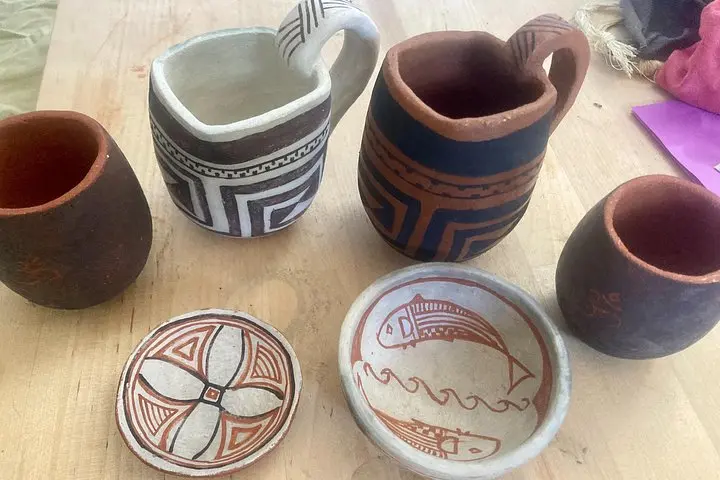
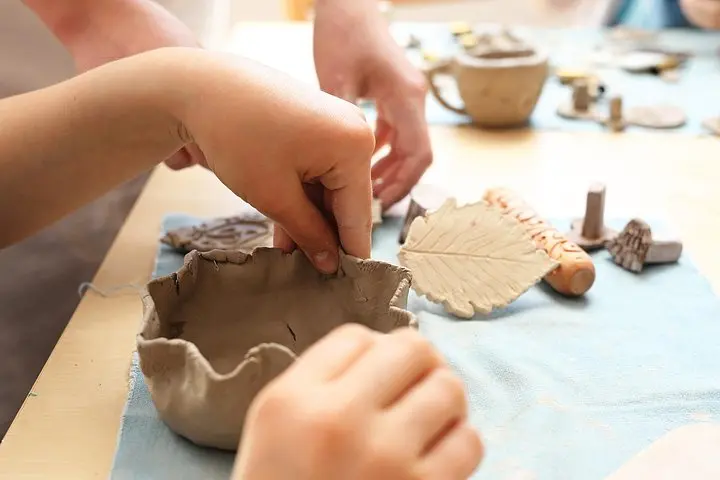
Culture here blends mountain artisan practice with Julian’s agricultural past — you’ll see references to apple-crate wood and local pigments in the studio. The three-hour session covers identifying wild clay, processing it to remove grit, basic hand-building techniques, and finishing touches using natural pigments and yucca brushes supplied by the instructor. You’ll leave with a wet vessel and step-by-step firing instructions for an open-fire finish at home.
Practical notes: meet at Lake Cuyamaca for the short drive to the studio, expect uneven ground and minimal facilities in the off-grid setting, and wear layers — mountain afternoons shift quickly. The workshop is guided and suitable for beginners, but moderate mobility and the ability to stand and crouch for short periods help you get the most from the experience.
No. The workshop is designed for beginners and covers hand-building basics, clay processing, and finishing techniques.
Yes, clay and all basic tools are provided; the workshop uses locally sourced earthenware clay from the surrounding area.
No. You will leave with a formed, unfired vessel and step-by-step instructions for open-fire firing at home or recommendations for local kilns.
The studio is off-grid with uneven terrain; service animals are permitted but the setting may not be suitable for travelers with significant mobility or spinal issues.
BECKY SANGHA operates guided outdoor trips and adventures with an emphasis on safety, stewardship, and memorable experiences.
A low sun washes the oak-strewn ridges around Lake Cuyamaca as participants gather for a short caravan into Cuyamaca Woods. The studio is off-grid and simple — a worktable, clay waiting in shallow tubs, and a wide view that can carry your eye from North Peak down toward the Pacific. The first pinch of clay feels like an invitation from the land; it gives, cool and grainy, as if the hill itself is offering you a tool.
A low sun washes the oak-strewn ridges around Lake Cuyamaca as participants gather for a short caravan into Cuyamaca Woods. The studio is off-grid and simple — a worktable, clay waiting in shallow tubs, and a wide view that can carry your eye from North Peak down toward the Pacific. The first pinch of clay feels like an invitation from the land; it gives, cool and grainy, as if the hill itself is offering you a tool.
This part of San Diego County carries a layered history: Kumeyaay people who read the land for resources, later miners and apple ranchers who reshaped hill and hollow. Geologically, the area holds pockets of alluvial and weathered soils where workable earthenware clays collect; that local character gives each pot a distinct texture and color.
Culture here blends mountain artisan practice with Julian’s agricultural past — you’ll see references to apple-crate wood and local pigments in the studio. The three-hour session covers identifying wild clay, processing it to remove grit, basic hand-building techniques, and finishing touches using natural pigments and yucca brushes supplied by the instructor. You’ll leave with a wet vessel and step-by-step firing instructions for an open-fire finish at home.
Practical notes: meet at Lake Cuyamaca for the short drive to the studio, expect uneven ground and minimal facilities in the off-grid setting, and wear layers — mountain afternoons shift quickly. The workshop is guided and suitable for beginners, but moderate mobility and the ability to stand and crouch for short periods help you get the most from the experience.