THE ADVENTURE COLLECTIVE® · Independent discovery and booking for outdoor travel

Explore unrestored stretches of the Great Wall at Gubeikou on a private full-day hike across Panlongshan and Wohushan. Expect steep granite ridges, original watchtowers, and a 2–3 hour hike on each major section with expert local guidance.
Explore unrestored stretches of the Great Wall at Gubeikou on a private full-day hike across Panlongshan and Wohushan. Expect steep granite ridges, original watchtowers, and a 2–3 hour hike on each major section with expert local guidance.
A cold wind runs down the ridgeline as you step out of the van onto stone that has seen armies and weather. The wild Great Wall at Gubeikou is quieter than the tourist sections; grass pushes between ancient bricks and watchtowers squat like old guards. Your guide points the route and the wall itself seems to lean into the landscape, daring you to follow.
Verified experiences and guided adventures in the surrounding area.
Operated by Beijing Tour Guide · Beijing, Beijing
A cold wind runs down the ridgeline as you step out of the van onto stone that has seen armies and weather. The wild Great Wall at Gubeikou is quieter than the tourist sections; grass pushes between ancient bricks and watchtowers squat like old guards. Your guide points the route and the wall itself seems to lean into the landscape, daring you to follow.
Gubeikou sits on the Yanshan range northeast of Beijing. Parts here date to the Qi dynasty (AD 555) and the stretch between Panlongshan and Wohushan preserves original masonry and battle scars rather than modern restoration. Geologically, the route rides a spine of weathered granite and schist, with steep valleys where erosion carved narrow gullies. Locals in Miyun County have farmed the foothills for generations, and lunch often includes regional flavors—simple, warming, and straightforward.
Expect 2–3 hours on Panlongshan (roughly 5 km with more than 40 towers) and steep climbing on Wohushan, which reaches about 665 m and earned its name “crouching tigers” for its jagged profile. The day includes round-trip private transfer from Beijing (approximately 2 hours each way), a guide, bottled water, and lunch.
Practical tips: wear sturdy hiking shoes, carry 2 liters of water, and be ready for loose stone and steep steps. Start early to avoid midday heat and bring layered clothing—the summit wind changes fast. Mobile signal is intermittent; follow your guide’s pace and allow extra time for descents. This is a rewarding, historically rich hike for hikers comfortable with sustained uphill and uneven terrain.
The tour includes round-trip private transfer and the drive is roughly 2 hours each way depending on traffic (about 140 km).
Both Panlongshan and Wohushan are largely unrestored and retain original bricks and stones; expect uneven and occasionally fragile sections.
Moderate fitness is recommended—hikers should be comfortable with sustained uphill hiking, uneven terrain, and multiple hours on stone steps.
Facilities are minimal on the wild sections; the tour provides lunch and bottled water, but expect limited toilets and intermittent mobile signal on the route.
Beijing Tour Guide operates guided outdoor trips and adventures with an emphasis on safety, stewardship, and memorable experiences.
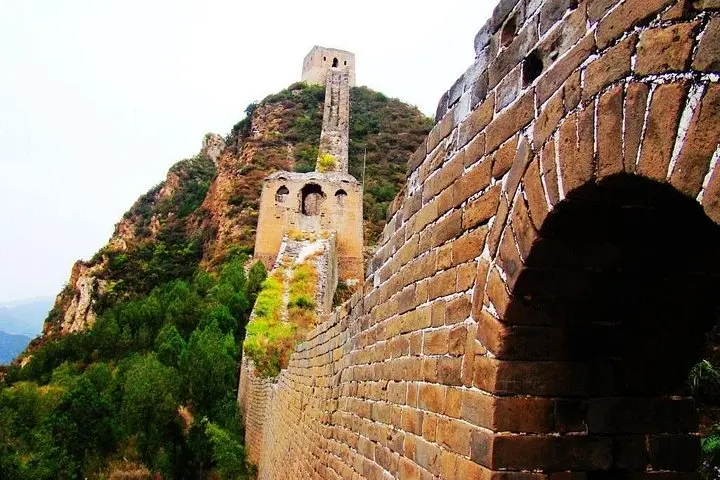
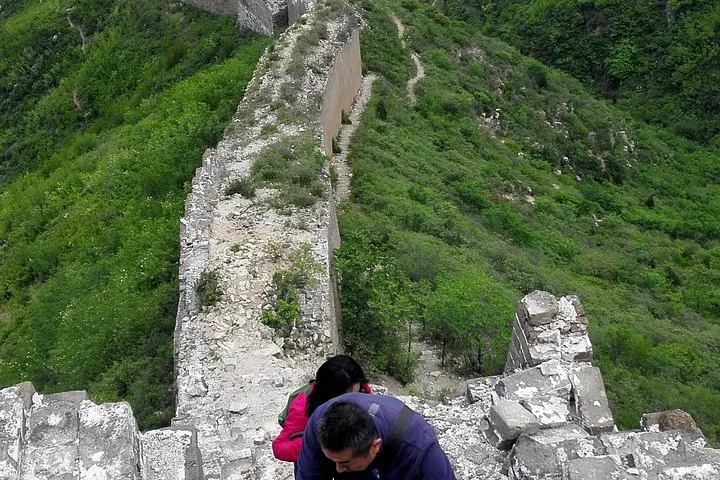
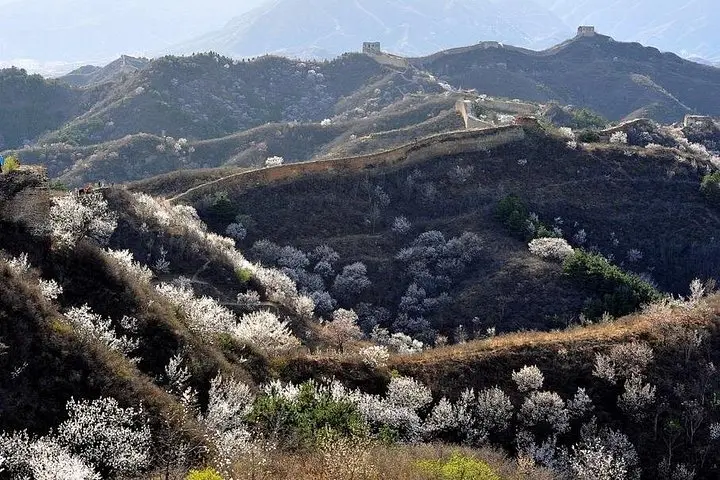
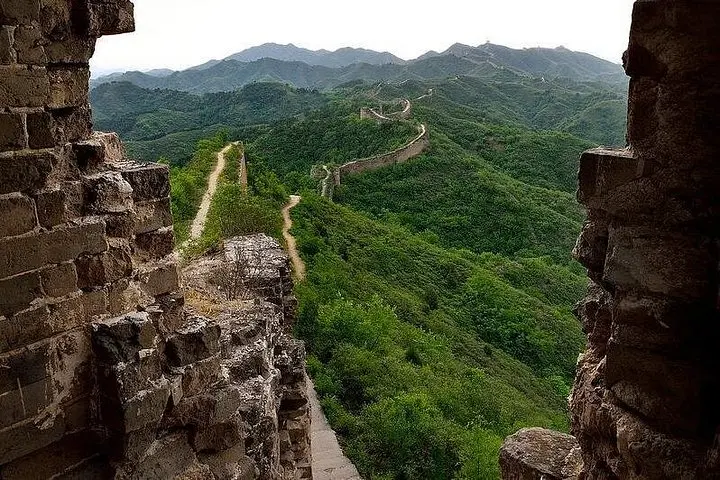
A cold wind runs down the ridgeline as you step out of the van onto stone that has seen armies and weather. The wild Great Wall at Gubeikou is quieter than the tourist sections; grass pushes between ancient bricks and watchtowers squat like old guards. Your guide points the route and the wall itself seems to lean into the landscape, daring you to follow.
A cold wind runs down the ridgeline as you step out of the van onto stone that has seen armies and weather. The wild Great Wall at Gubeikou is quieter than the tourist sections; grass pushes between ancient bricks and watchtowers squat like old guards. Your guide points the route and the wall itself seems to lean into the landscape, daring you to follow.
Gubeikou sits on the Yanshan range northeast of Beijing. Parts here date to the Qi dynasty (AD 555) and the stretch between Panlongshan and Wohushan preserves original masonry and battle scars rather than modern restoration. Geologically, the route rides a spine of weathered granite and schist, with steep valleys where erosion carved narrow gullies. Locals in Miyun County have farmed the foothills for generations, and lunch often includes regional flavors—simple, warming, and straightforward.
Expect 2–3 hours on Panlongshan (roughly 5 km with more than 40 towers) and steep climbing on Wohushan, which reaches about 665 m and earned its name “crouching tigers” for its jagged profile. The day includes round-trip private transfer from Beijing (approximately 2 hours each way), a guide, bottled water, and lunch.
Practical tips: wear sturdy hiking shoes, carry 2 liters of water, and be ready for loose stone and steep steps. Start early to avoid midday heat and bring layered clothing—the summit wind changes fast. Mobile signal is intermittent; follow your guide’s pace and allow extra time for descents. This is a rewarding, historically rich hike for hikers comfortable with sustained uphill and uneven terrain.