THE ADVENTURE COLLECTIVE® · Independent discovery and booking for outdoor travel

Paddle a narrow Patagonian river, hike fossil-rich banks to see petrified trees and dinosaur bones, then return through the wild steppe—an 8–8.5 hour full-day from El Calafate that mixes basic kayaking with interpretive hiking.
Paddle a narrow Patagonian river, hike fossil-rich banks to see petrified trees and dinosaur bones, then return through the wild steppe—an 8–8.5 hour full-day from El Calafate that mixes basic kayaking with interpretive hiking.
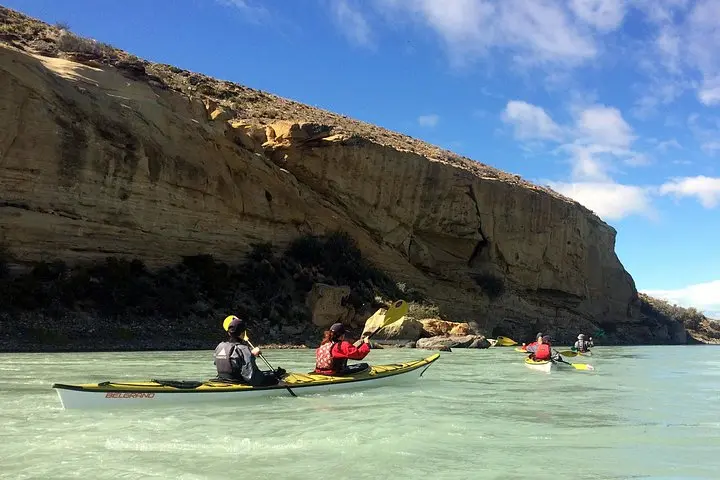
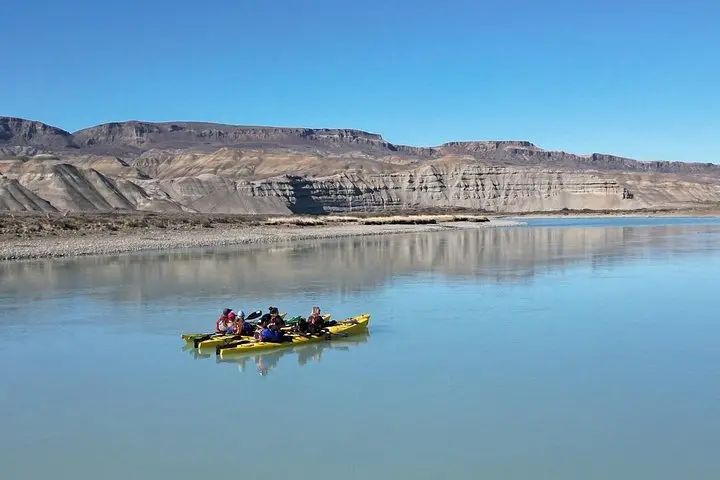
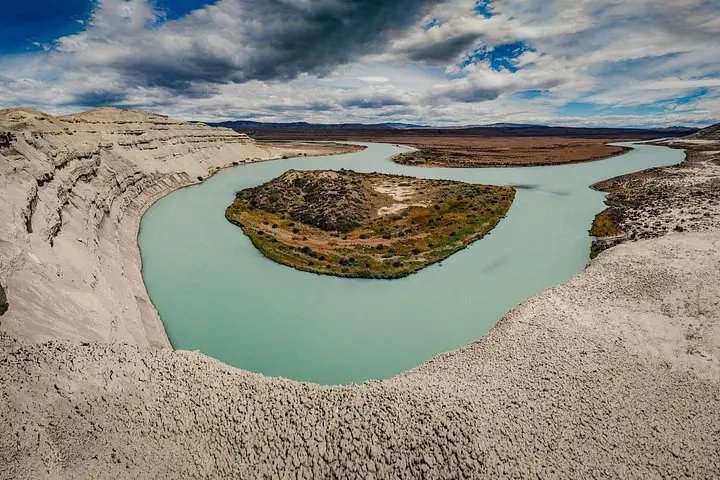
You push off into cold, pale-blue water and the wind at your back feels like Patagonia clearing its throat. La Leona River narrows and opens as you follow a current that seems to dare you forward; tussock grasses and low scrub slide past like scenes in a slow film. After roughly an hour of paddling the guide eases the group ashore and the landscape changes—stone, sand and fossil-rich outcrops replace reeds and riffles.
Verified experiences and guided adventures in the surrounding area.
Operated by Kayak Santa Cruz · El Calafate, Santa Cruz
You push off into cold, pale-blue water and the wind at your back feels like Patagonia clearing its throat. La Leona River narrows and opens as you follow a current that seems to dare you forward; tussock grasses and low scrub slide past like scenes in a slow film. After roughly an hour of paddling the guide eases the group ashore and the landscape changes—stone, sand and fossil-rich outcrops replace reeds and riffles.
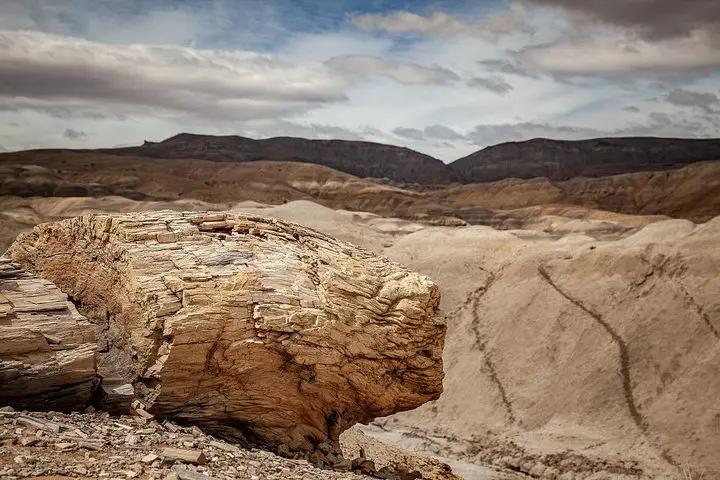
This is a place of recent ice and very old bones. The river corridor sits on sediments left by glacial Lake Argentino and the surrounding steppe hides petrified tree trunks and dinosaur remains uncovered over the last century by paleontologists working across Santa Cruz Province. Local estancias and gaucho culture still mark the human history here: this is working land where ranching and science meet the wild.
The hike—about two hours over uneven volcanic sediments and compacted sand—offers close looks at silicified wood and exposed strata; guides point out where prehistoric creatures once moved. Wildlife is sparse but present: guanacos and ñandús often watch from ridgelines while raptors wheel overhead.
Practical edge: the full experience runs roughly 8–8.5 hours with hotel pickup from El Calafate. There are no toilets on the route and lunch is a boxed meal you carry. Wear sturdy hiking shoes, layered windproof clothing, sun protection, and bring at least 2 liters of water. Expect wind, quick weather swings, and river sections that require basic paddling skill and attention to local currents. Leave no trace: fossils are protected—observe, photograph, don’t collect.
Minimum age is 12; children must be accompanied by an adult and assessed by the guide for paddling safety.
No — the tour notes there are no toilets, so plan accordingly and follow Leave No Trace practices.
No advanced experience required, but participants should have basic paddling ability and comfortable balance in a kayak.
A boxed lunch and snacks are required; guides often provide light snacks but you should bring your own lunch and any dietary essentials.
Kayak Santa Cruz operates guided outdoor trips and adventures with an emphasis on safety, stewardship, and memorable experiences.
You push off into cold, pale-blue water and the wind at your back feels like Patagonia clearing its throat. La Leona River narrows and opens as you follow a current that seems to dare you forward; tussock grasses and low scrub slide past like scenes in a slow film. After roughly an hour of paddling the guide eases the group ashore and the landscape changes—stone, sand and fossil-rich outcrops replace reeds and riffles.
You push off into cold, pale-blue water and the wind at your back feels like Patagonia clearing its throat. La Leona River narrows and opens as you follow a current that seems to dare you forward; tussock grasses and low scrub slide past like scenes in a slow film. After roughly an hour of paddling the guide eases the group ashore and the landscape changes—stone, sand and fossil-rich outcrops replace reeds and riffles.
This is a place of recent ice and very old bones. The river corridor sits on sediments left by glacial Lake Argentino and the surrounding steppe hides petrified tree trunks and dinosaur remains uncovered over the last century by paleontologists working across Santa Cruz Province. Local estancias and gaucho culture still mark the human history here: this is working land where ranching and science meet the wild.
The hike—about two hours over uneven volcanic sediments and compacted sand—offers close looks at silicified wood and exposed strata; guides point out where prehistoric creatures once moved. Wildlife is sparse but present: guanacos and ñandús often watch from ridgelines while raptors wheel overhead.
Practical edge: the full experience runs roughly 8–8.5 hours with hotel pickup from El Calafate. There are no toilets on the route and lunch is a boxed meal you carry. Wear sturdy hiking shoes, layered windproof clothing, sun protection, and bring at least 2 liters of water. Expect wind, quick weather swings, and river sections that require basic paddling skill and attention to local currents. Leave no trace: fossils are protected—observe, photograph, don’t collect.