THE ADVENTURE COLLECTIVE® · Independent discovery and booking for outdoor travel

See scarlet macaws reclaimed from local extinction on a half-day tour from Playa Samara to Punta Islita. Learn about hands-on conservation while tracking wild macaws in coastal dry forest.
See scarlet macaws reclaimed from local extinction on a half-day tour from Playa Samara to Punta Islita. Learn about hands-on conservation while tracking wild macaws in coastal dry forest.
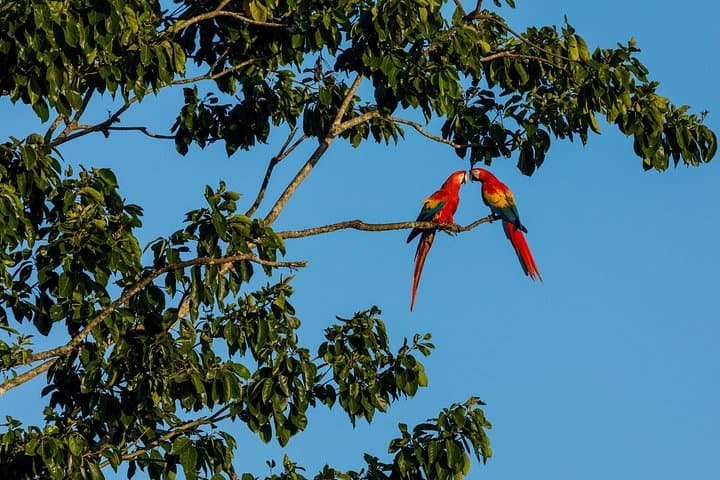
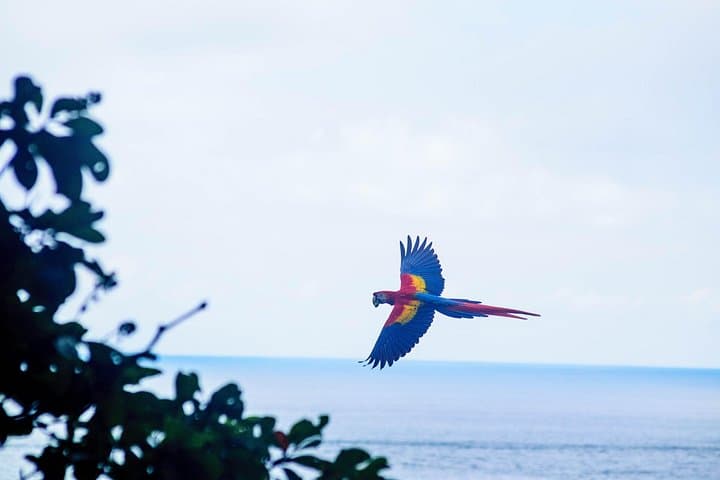
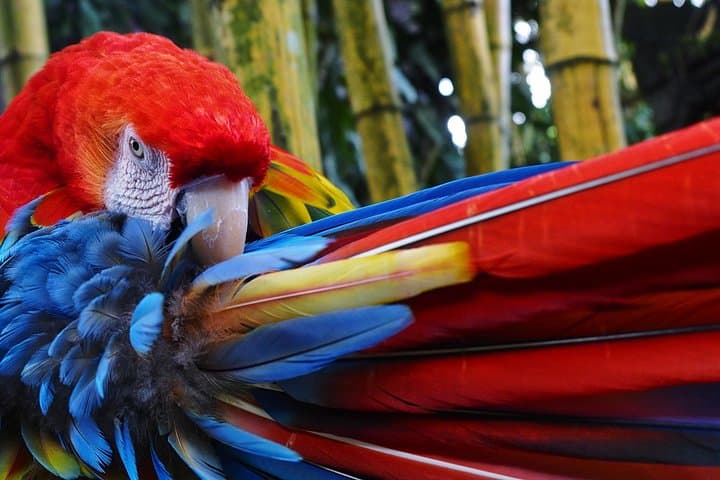
You arrive on a coastal road and the air tastes of salt and wet earth; inland, the dry forest leans toward the ridge where macaws wheel and call. Punta Islita’s cliffs and secondary forest give visitors a front-row seat to the recovery of Costa Rica’s scarlet macaw — brilliant red wings flashing against blue sky — while drives from Playa Samara thread through farmland and low forest patches where toucans and monkeys often appear.
Verified experiences and guided adventures in the surrounding area.
Operated by Samara Adventures · Punta Islita, Guanacaste
You arrive on a coastal road and the air tastes of salt and wet earth; inland, the dry forest leans toward the ridge where macaws wheel and call. Punta Islita’s cliffs and secondary forest give visitors a front-row seat to the recovery of Costa Rica’s scarlet macaw — brilliant red wings flashing against blue sky — while drives from Playa Samara thread through farmland and low forest patches where toucans and monkeys often appear.
The Macaw Recovery Network (formerly The Ara Project) runs a breeding and release facility here. Once locally extinct, scarlet macaws have been reintroduced into the Nicoya Peninsula, with more than 50 birds released and monitored; the program pairs hands-on conservation with community outreach in nearby Guanacaste towns. Geologically, the area is coastal dry forest on sedimentary hillocks and small limestone outcrops; seasonal streams carve gullies that macaws and other wildlife use as travel corridors. Local culture blends fishing villages and smallholder farms — expect simple seaside food, curious dogs, and welcoming guides who grew up within hearing distance of macaw calls.
Practical guidance: tours are roughly half a day (about four hours including transit), with short walks on uneven trail surfaces. Bring binoculars, sun protection, and sturdy shoes; mornings are best for sightings. The drive between Playa Samara and Punta Islita can include unpaved sections—ask about pickup points and vehicle type when booking. Respect observation protocols: keep distance from nests, avoid loud noises, and follow your guide’s directions to minimize disturbance during release or feeding demonstrations.
Expect about four hours total, including round-trip transport and 1–2 hours at the Macaw Reserve.
Sightings are common, especially in the morning, but wildlife is never guaranteed; guides increase chances through strategic viewing and local knowledge.
Yes—vehicles are air-conditioned and trails are short, but travelers should be mobile enough for short, uneven walks; infant seats can be provided.
You may photograph birds from the viewing areas, but touching, feeding, or approaching nesting birds is prohibited to protect them.
Samara Adventures operates guided outdoor trips and adventures with an emphasis on safety, stewardship, and memorable experiences.
You arrive on a coastal road and the air tastes of salt and wet earth; inland, the dry forest leans toward the ridge where macaws wheel and call. Punta Islita’s cliffs and secondary forest give visitors a front-row seat to the recovery of Costa Rica’s scarlet macaw — brilliant red wings flashing against blue sky — while drives from Playa Samara thread through farmland and low forest patches where toucans and monkeys often appear.
You arrive on a coastal road and the air tastes of salt and wet earth; inland, the dry forest leans toward the ridge where macaws wheel and call. Punta Islita’s cliffs and secondary forest give visitors a front-row seat to the recovery of Costa Rica’s scarlet macaw — brilliant red wings flashing against blue sky — while drives from Playa Samara thread through farmland and low forest patches where toucans and monkeys often appear.
The Macaw Recovery Network (formerly The Ara Project) runs a breeding and release facility here. Once locally extinct, scarlet macaws have been reintroduced into the Nicoya Peninsula, with more than 50 birds released and monitored; the program pairs hands-on conservation with community outreach in nearby Guanacaste towns. Geologically, the area is coastal dry forest on sedimentary hillocks and small limestone outcrops; seasonal streams carve gullies that macaws and other wildlife use as travel corridors. Local culture blends fishing villages and smallholder farms — expect simple seaside food, curious dogs, and welcoming guides who grew up within hearing distance of macaw calls.
Practical guidance: tours are roughly half a day (about four hours including transit), with short walks on uneven trail surfaces. Bring binoculars, sun protection, and sturdy shoes; mornings are best for sightings. The drive between Playa Samara and Punta Islita can include unpaved sections—ask about pickup points and vehicle type when booking. Respect observation protocols: keep distance from nests, avoid loud noises, and follow your guide’s directions to minimize disturbance during release or feeding demonstrations.