THE ADVENTURE COLLECTIVE® · Independent discovery and booking for outdoor travel

Leave Dublin for an 8–9 hour journey into the raw heart of County Wicklow — Killiney Hill views, a stop at Avoca Handweavers, the Sally Gap highlands and the haunting monastic valley of Glendalough with its lakes and round tower.
Leave Dublin for an 8–9 hour journey into the raw heart of County Wicklow — Killiney Hill views, a stop at Avoca Handweavers, the Sally Gap highlands and the haunting monastic valley of Glendalough with its lakes and round tower.
The coach hums away from Dublin’s stone facades and soon the sea pulls into view; Killiney Hill rises like an old guardian, and the bay breathes out across the city. Within an hour the asphalt thins and the Wicklow Mountains take over — bog-hewn ridges, wind-brushed heather and the deep bowl of Lough Tay, dark as stout, holding reflections of sky and peat.
Verified experiences and guided adventures in the surrounding area.
Operated by Wild Wicklow Tours · Glendalough, County Wicklow
The coach hums away from Dublin’s stone facades and soon the sea pulls into view; Killiney Hill rises like an old guardian, and the bay breathes out across the city. Within an hour the asphalt thins and the Wicklow Mountains take over — bog-hewn ridges, wind-brushed heather and the deep bowl of Lough Tay, dark as stout, holding reflections of sky and peat.
This is a landscape carved by ice and time: glacial valleys, blanket bogs and granite tors shaped during the last Ice Age. In Glendalough the story shifts to human hands — St. Kevin’s 6th-century monastic settlement, its round tower and stone crosses speak to a long pilgrimage tradition where books were copied and guests sheltered.
Culture here is tactile: Avoca handweavers still warp and dye wool, local pubs pour pints and Glendalough Distillery bottles a taste of the place. Film crews have used the dramatic slopes and Lough Tay’s black shores for productions from Braveheart to Vikings.
Practical side: the tour runs about 8–9 hours, with guided stops and roughly 60–90 minutes of free time at Glendalough to walk to the Upper Lake or explore the ruins. Weather changes fast — pack layered clothing, a light rain jacket and sturdy shoes. Keep a refillable water bottle, camera and some cash for an optional pub lunch or Avoca café. Expect easy walking on uneven paths and short hill climbs; guides point out best vantage points so you can make the most of limited time in each spot.
Pickup locations include St Stephen’s Green (8:45am), Cathal Brugha Street (9:00am) and opposite the Grand Canal Hotel (9:15am); confirm your chosen point 24 hours in advance.
You’ll have at least 60 minutes’ free time plus guided interpretation; there’s also a longer guided section allowing up to 90 minutes to explore the monastic site and Upper Lake options.
The tour is family-friendly (minimum age 5) and accessible for easy paths; steep or uneven trails at viewpoints may be challenging for limited mobility—ask guides about alternatives.
Tours run in most weather; bring waterproof clothing. Cancellations for safety or insufficient travelers follow the operator’s policy with refunds if made at least 24 hours ahead.
Wild Wicklow Tours operates guided outdoor trips and adventures with an emphasis on safety, stewardship, and memorable experiences.
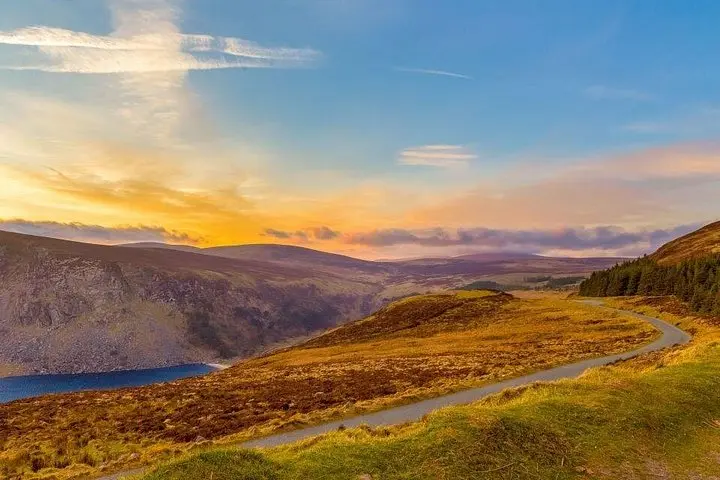
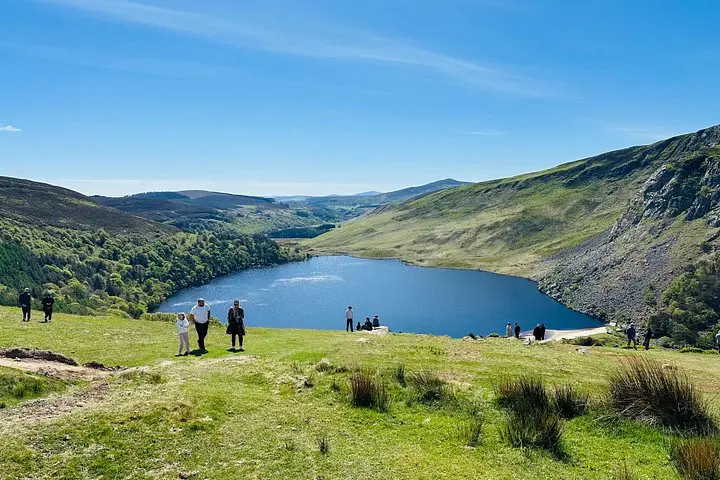
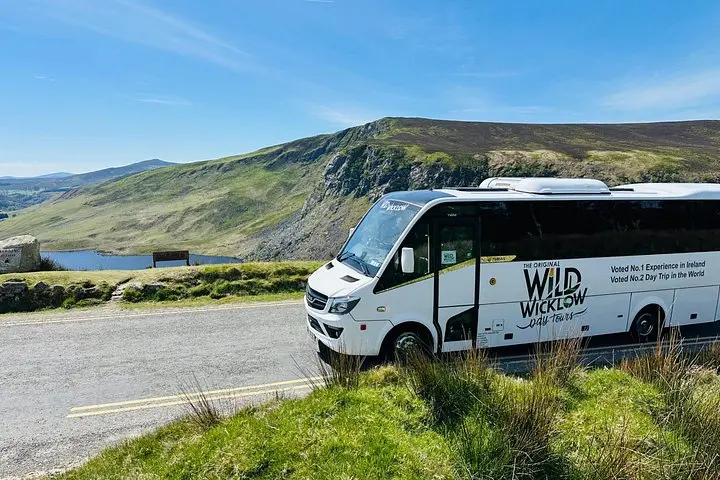
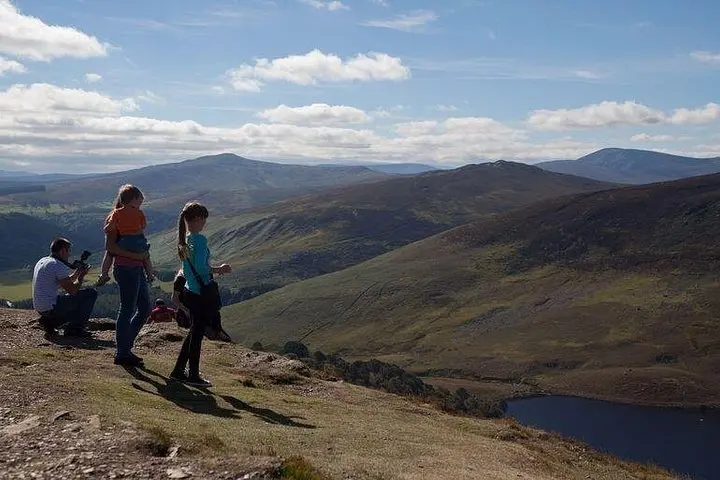
The coach hums away from Dublin’s stone facades and soon the sea pulls into view; Killiney Hill rises like an old guardian, and the bay breathes out across the city. Within an hour the asphalt thins and the Wicklow Mountains take over — bog-hewn ridges, wind-brushed heather and the deep bowl of Lough Tay, dark as stout, holding reflections of sky and peat.
The coach hums away from Dublin’s stone facades and soon the sea pulls into view; Killiney Hill rises like an old guardian, and the bay breathes out across the city. Within an hour the asphalt thins and the Wicklow Mountains take over — bog-hewn ridges, wind-brushed heather and the deep bowl of Lough Tay, dark as stout, holding reflections of sky and peat.
This is a landscape carved by ice and time: glacial valleys, blanket bogs and granite tors shaped during the last Ice Age. In Glendalough the story shifts to human hands — St. Kevin’s 6th-century monastic settlement, its round tower and stone crosses speak to a long pilgrimage tradition where books were copied and guests sheltered.
Culture here is tactile: Avoca handweavers still warp and dye wool, local pubs pour pints and Glendalough Distillery bottles a taste of the place. Film crews have used the dramatic slopes and Lough Tay’s black shores for productions from Braveheart to Vikings.
Practical side: the tour runs about 8–9 hours, with guided stops and roughly 60–90 minutes of free time at Glendalough to walk to the Upper Lake or explore the ruins. Weather changes fast — pack layered clothing, a light rain jacket and sturdy shoes. Keep a refillable water bottle, camera and some cash for an optional pub lunch or Avoca café. Expect easy walking on uneven paths and short hill climbs; guides point out best vantage points so you can make the most of limited time in each spot.