THE ADVENTURE COLLECTIVE® · Independent discovery and booking for outdoor travel

Traverse Sri Lanka’s ecological range in eight days: shadowed lowland rainforest hikes, sunlit dry-zone safaris for leopards and elephants, and restorative Indian Ocean beaches. Practical, wildlife-focused, and paced for immersive discovery.
Traverse Sri Lanka’s ecological range in eight days: shadowed lowland rainforest hikes, sunlit dry-zone safaris for leopards and elephants, and restorative Indian Ocean beaches. Practical, wildlife-focused, and paced for immersive discovery.
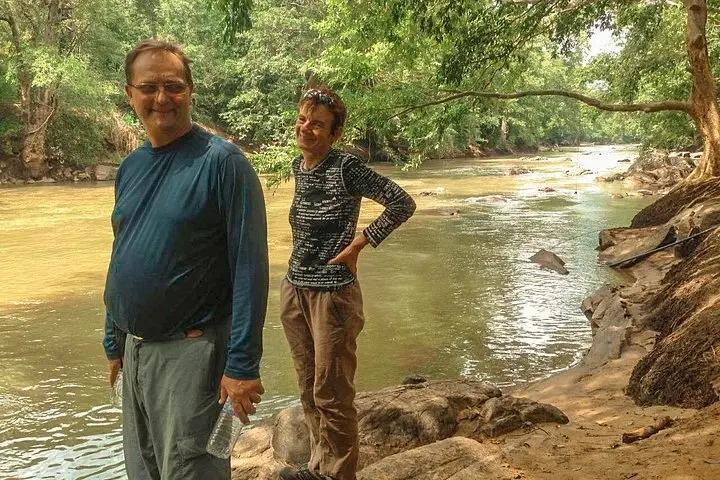
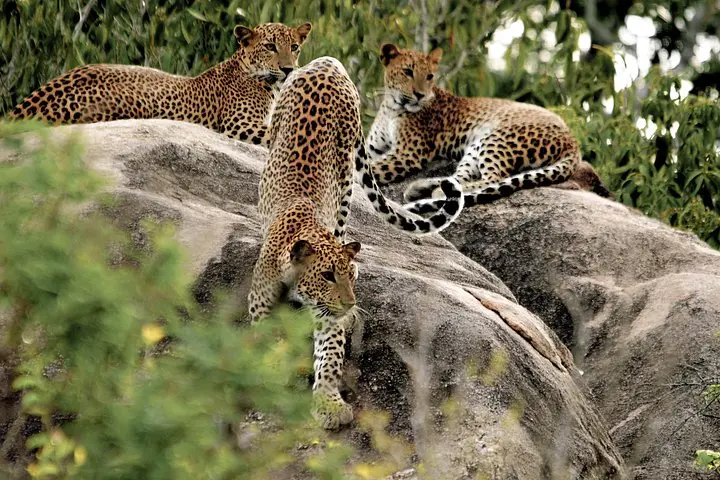
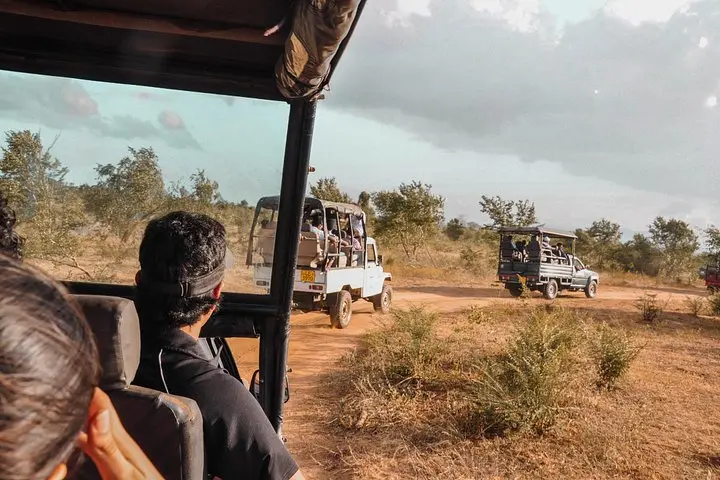
Mornings in Sri Lanka on this eight-day loop begin with the smell of wet earth and the hush of a lowland rainforest—mossed roots slick underfoot, sunlight a thin blade through a closed canopy. You move from that cool, shadowed world into wide, sunbaked plains where jeeps rattle between scrub and thorn; the land here seems to hold its breath, and the leopard’s silhouette becomes a rumor that could resolve at any moment.
Verified experiences and guided adventures in the surrounding area.
Operated by Lakpura LLC · Colombo, Western Province
Mornings in Sri Lanka on this eight-day loop begin with the smell of wet earth and the hush of a lowland rainforest—mossed roots slick underfoot, sunlight a thin blade through a closed canopy. You move from that cool, shadowed world into wide, sunbaked plains where jeeps rattle between scrub and thorn; the land here seems to hold its breath, and the leopard’s silhouette becomes a rumor that could resolve at any moment.
The route samples the island’s ecological breadth: Sinharaja Forest Reserve’s dense, globally significant lowland rainforest (a UNESCO-protected remnant of Gondwanan flora), a dry-zone national park known for leopard and elephant sightings, and stretches of Indian Ocean coast where reefs and sea turtles share shallow water with fishermen’s boats. Culturally, the south-west exposes visitors to a mix of Sinhalese village life and colonial-era ports—an intersection of rice-field rhythms and maritime trade that shaped local food, crafts, and festivals.
Expect short rainforest walks (2–6 km; gentle elevation changes under 300 m) and half- to full-day game drives covering tens of kilometers on sandy tracks. Time your days around golden hours—wildlife is most active at dawn and dusk, beaches are best mid-morning for calm surf.
Practicalities: pack lightweight, quick-dry layers, reliable insect repellent and binoculars; bring cash for small village purchases. Hydrate often—the tropical heat and humid trails demand steady water intake. Travel between sites can be multiple hours by road, so plan for early departures and a relaxed schedule. This trip is an accessible, sensory-rich introduction to Sri Lanka’s wild variety—close up, immediate, and ever-changing.
Sightings depend on season and luck—dry months concentrate animals around water, improving odds on guided game drives but sightings are never guaranteed.
Risk varies—consult a travel clinic before departure; use insect repellent and sleep under nets where advised.
No—most days involve short guided walks and vehicle transfers; comfortable walking ability is sufficient.
Yes—most operators can manage vegetarian and common dietary needs if notified in advance; bring specifics for allergies.
Lakpura LLC operates guided outdoor trips and adventures with an emphasis on safety, stewardship, and memorable experiences.
Mornings in Sri Lanka on this eight-day loop begin with the smell of wet earth and the hush of a lowland rainforest—mossed roots slick underfoot, sunlight a thin blade through a closed canopy. You move from that cool, shadowed world into wide, sunbaked plains where jeeps rattle between scrub and thorn; the land here seems to hold its breath, and the leopard’s silhouette becomes a rumor that could resolve at any moment.
Mornings in Sri Lanka on this eight-day loop begin with the smell of wet earth and the hush of a lowland rainforest—mossed roots slick underfoot, sunlight a thin blade through a closed canopy. You move from that cool, shadowed world into wide, sunbaked plains where jeeps rattle between scrub and thorn; the land here seems to hold its breath, and the leopard’s silhouette becomes a rumor that could resolve at any moment.
The route samples the island’s ecological breadth: Sinharaja Forest Reserve’s dense, globally significant lowland rainforest (a UNESCO-protected remnant of Gondwanan flora), a dry-zone national park known for leopard and elephant sightings, and stretches of Indian Ocean coast where reefs and sea turtles share shallow water with fishermen’s boats. Culturally, the south-west exposes visitors to a mix of Sinhalese village life and colonial-era ports—an intersection of rice-field rhythms and maritime trade that shaped local food, crafts, and festivals.
Expect short rainforest walks (2–6 km; gentle elevation changes under 300 m) and half- to full-day game drives covering tens of kilometers on sandy tracks. Time your days around golden hours—wildlife is most active at dawn and dusk, beaches are best mid-morning for calm surf.
Practicalities: pack lightweight, quick-dry layers, reliable insect repellent and binoculars; bring cash for small village purchases. Hydrate often—the tropical heat and humid trails demand steady water intake. Travel between sites can be multiple hours by road, so plan for early departures and a relaxed schedule. This trip is an accessible, sensory-rich introduction to Sri Lanka’s wild variety—close up, immediate, and ever-changing.