THE ADVENTURE COLLECTIVE® · Independent discovery and booking for outdoor travel

Leave the city behind for two hours and find pine-scented trails, old granite quarries, and furtive wildlife on a private Collserola Hills hike. This guided walk pairs urban views with Mediterranean forest and practical tips for a safe, respectful outing.
Leave the city behind for two hours and find pine-scented trails, old granite quarries, and furtive wildlife on a private Collserola Hills hike. This guided walk pairs urban views with Mediterranean forest and practical tips for a safe, respectful outing.
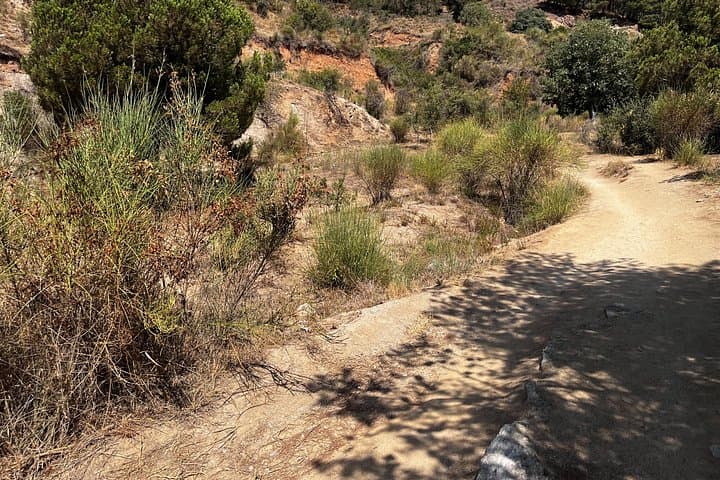
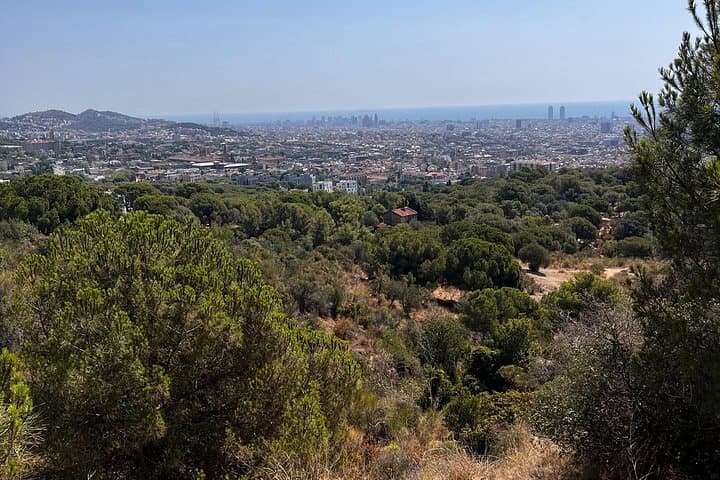
You step off the tram and the city noise thins; pine and oak press close, dusting the trail with resin and sunlight. The Collserola Hills push at Barcelona's edge—breathable green that filters the city’s air and invites a two-hour walk through Mediterranean scrub, granite outcrops, and shaded ravines.
Verified experiences and guided adventures in the surrounding area.
Operated by Collserola Hikes · Barcelona, Catalonia
You step off the tram and the city noise thins; pine and oak press close, dusting the trail with resin and sunlight. The Collserola Hills push at Barcelona's edge—breathable green that filters the city’s air and invites a two-hour walk through Mediterranean scrub, granite outcrops, and shaded ravines.
Geology here is blunt and honest: ancient granites and schists carve short cliffs and old quarries that were worked for centuries. History lingers in unexpected places—Güell’s dragon gates and the William Shakespeare gardens sit near these slopes, while medieval quarry records date back to the 11th century. More recent additions, like the telecom tower on Tibidabo, punctuate the skyline.
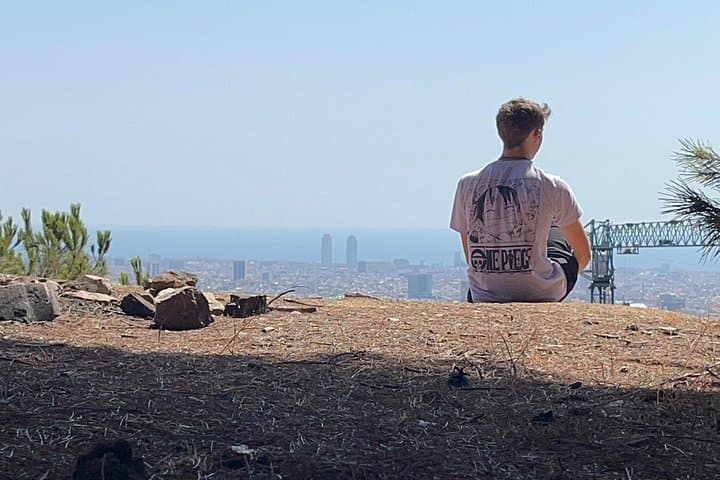
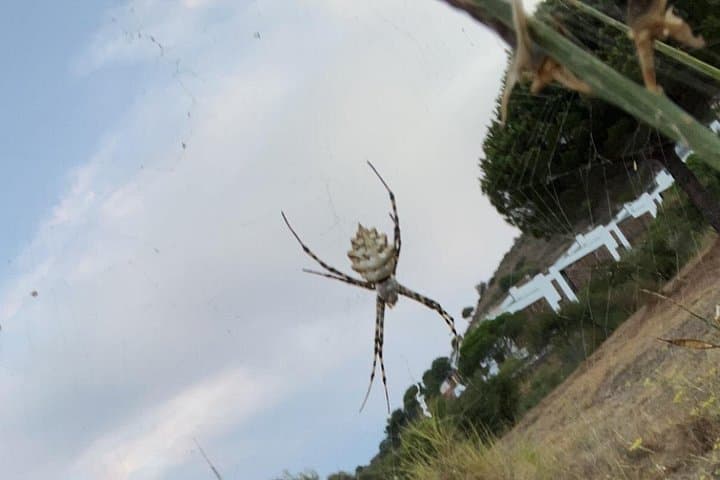
Wildlife is furtive. Wild boar root the understory, bats launch at dusk from hollows, and small birds flit through the scrub—this is urban wilderness with an untamed temperament. Culture comes through in Sunday walkers, local dog-walkers, and the Carretera de les Aigües path, a favorite with locals for steady views of the city below.
Practical guidance: expect mixed dirt and gravel tracks with some short, moderate climbs—plan 4–6 km and 200–300 m of elevation gain if you wander off the main route. Bring water, sturdy shoes, and layers for changing microclimates. Stay on marked trails to protect fragile plant communities and avoid close encounters with wildlife; keep dogs leashed and pack out all waste.
This private, two-hour tour is a compact way to experience Barcelona’s green lung—part natural history lesson, part urban getaway—ideal for travelers who want fresh air and wildlife without leaving the city behind.
Public transport options include FGC trains to stations like Baixador de Vallvidrera or buses and the Tibidabo tram; many trailheads are a short walk from stops.
Children with good stamina who can manage uneven ground for two hours can join; consider shorter routes or breaks for younger kids.
Wild boar are present but sightings are unpredictable; they are generally shy—observe from a distance and follow the guide's instructions.
Full refund is available if you cancel at least 24 hours before the scheduled departure; check your booking confirmation for details.
Collserola Hikes operates guided outdoor trips and adventures with an emphasis on safety, stewardship, and memorable experiences.
You step off the tram and the city noise thins; pine and oak press close, dusting the trail with resin and sunlight. The Collserola Hills push at Barcelona's edge—breathable green that filters the city’s air and invites a two-hour walk through Mediterranean scrub, granite outcrops, and shaded ravines.
You step off the tram and the city noise thins; pine and oak press close, dusting the trail with resin and sunlight. The Collserola Hills push at Barcelona's edge—breathable green that filters the city’s air and invites a two-hour walk through Mediterranean scrub, granite outcrops, and shaded ravines.
Geology here is blunt and honest: ancient granites and schists carve short cliffs and old quarries that were worked for centuries. History lingers in unexpected places—Güell’s dragon gates and the William Shakespeare gardens sit near these slopes, while medieval quarry records date back to the 11th century. More recent additions, like the telecom tower on Tibidabo, punctuate the skyline.
Wildlife is furtive. Wild boar root the understory, bats launch at dusk from hollows, and small birds flit through the scrub—this is urban wilderness with an untamed temperament. Culture comes through in Sunday walkers, local dog-walkers, and the Carretera de les Aigües path, a favorite with locals for steady views of the city below.
Practical guidance: expect mixed dirt and gravel tracks with some short, moderate climbs—plan 4–6 km and 200–300 m of elevation gain if you wander off the main route. Bring water, sturdy shoes, and layers for changing microclimates. Stay on marked trails to protect fragile plant communities and avoid close encounters with wildlife; keep dogs leashed and pack out all waste.
This private, two-hour tour is a compact way to experience Barcelona’s green lung—part natural history lesson, part urban getaway—ideal for travelers who want fresh air and wildlife without leaving the city behind.