THE ADVENTURE COLLECTIVE® · Independent discovery and booking for outdoor travel

Spend a full day tasting pinot noir and chardonnay across the Dundee Hills and Chehalem Mountains with guided winery visits and a sit-down lunch. This organized tour handles reservations and transport while you focus on tasting and scenery.
Spend a full day tasting pinot noir and chardonnay across the Dundee Hills and Chehalem Mountains with guided winery visits and a sit-down lunch. This organized tour handles reservations and transport while you focus on tasting and scenery.
Morning fog lifts off gentle hills as the van threads country roads toward rows of vines that slope like green waves.
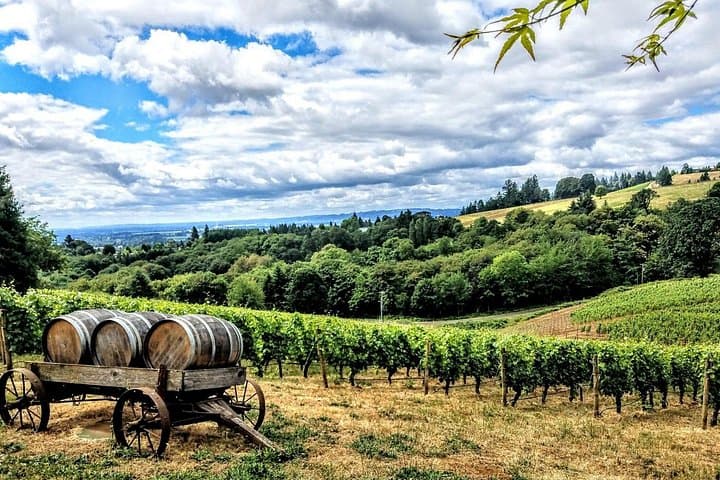
You step out at a small tasting room where the air smells faintly of wet earth and fermenting grapes; the guide lays out the plan—three to four wineries, a sit-down lunch, and views across the Dundee Hills and Chehalem Mountains.
Verified experiences and guided adventures in the surrounding area.
Operated by Willamette Valley Tour · McMinnville, Oregon
Morning fog lifts off gentle hills as the van threads country roads toward rows of vines that slope like green waves.
You step out at a small tasting room where the air smells faintly of wet earth and fermenting grapes; the guide lays out the plan—three to four wineries, a sit-down lunch, and views across the Dundee Hills and Chehalem Mountains.
This stretch of the Willamette Valley has geology of volcanic basalt and rich loess soils deposited over millennia, creating cool-climate conditions ideal for pinot noir and chardonnay. Native Kalapuya people tended these valleys for thousands of years; commercial viticulture arrived later, accelerated by pioneering plantings in the 1960s and 1970s that proved the region’s potential.
Culturally, the valley blends small-town hospitality with serious winemaking—expect architect-designed tasting rooms, tasting flights explained by hosts, and occasional cellar tours that outline barrel aging and fermentation choices.
Practical notes: most winery stops involve short walks—plan on 0.5–1 mile of walking overall with modest elevation changes (up to ~200–400 ft) on paved driveways, gravel, and lawn areas. The tour handles route planning, reservations, and round-trip pickup within the service area; bring ID, dress in layers, and pace yourself between tastings. Hydrate, take notes on bottles you like, and plan any purchases for the end of the day since some cellars will ship.
By mid-afternoon you'll have tasted a regional cross-section of styles, eaten a generous lunch, and collected a clearer sense of why Willamette Valley pinot noir is sought after worldwide.
Pickup and drop-off from designated meeting points and some hotel/residential addresses within the service area are included—confirm your pickup location at booking.
Yes—minimum age is 21 to consume alcohol on the tour; non-drinking guests can still join but must be 21 or older.
Expect to visit about 3–4 wineries during the full-day itinerary, with a sit-down lunch at a selected restaurant or vineyard.
Yes—the operator arranges lunch and can usually accommodate common dietary needs if notified in advance via the booking questions.
Willamette Valley Tour operates guided outdoor trips and adventures with an emphasis on safety, stewardship, and memorable experiences.
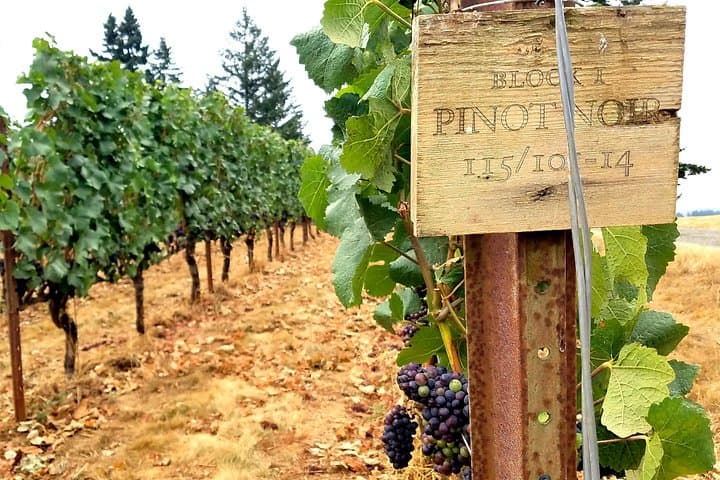
Morning fog lifts off gentle hills as the van threads country roads toward rows of vines that slope like green waves.
You step out at a small tasting room where the air smells faintly of wet earth and fermenting grapes; the guide lays out the plan—three to four wineries, a sit-down lunch, and views across the Dundee Hills and Chehalem Mountains.
This stretch of the Willamette Valley has geology of volcanic basalt and rich loess soils deposited over millennia, creating cool-climate conditions ideal for pinot noir and chardonnay. Native Kalapuya people tended these valleys for thousands of years; commercial viticulture arrived later, accelerated by pioneering plantings in the 1960s and 1970s that proved the region’s potential.
Culturally, the valley blends small-town hospitality with serious winemaking—expect architect-designed tasting rooms, tasting flights explained by hosts, and occasional cellar tours that outline barrel aging and fermentation choices.
Practical notes: most winery stops involve short walks—plan on 0.5–1 mile of walking overall with modest elevation changes (up to ~200–400 ft) on paved driveways, gravel, and lawn areas. The tour handles route planning, reservations, and round-trip pickup within the service area; bring ID, dress in layers, and pace yourself between tastings. Hydrate, take notes on bottles you like, and plan any purchases for the end of the day since some cellars will ship.
By mid-afternoon you'll have tasted a regional cross-section of styles, eaten a generous lunch, and collected a clearer sense of why Willamette Valley pinot noir is sought after worldwide.