THE ADVENTURE COLLECTIVE® · Independent discovery and booking for outdoor travel

See Willemstad’s painted waterfront, floating market, and historic forts on a concise two-hour walking tour. Ideal for cruise arrivals or a quick cultural orientation before heading to the beaches.
See Willemstad’s painted waterfront, floating market, and historic forts on a concise two-hour walking tour. Ideal for cruise arrivals or a quick cultural orientation before heading to the beaches.
You step off the pier and the city greets you in color—rows of painted facades catch the light while the bay breathes and the pontoon bridge blinks open for a passing sailboat.
Verified experiences and guided adventures in the surrounding area.
Operated by Samurai Curaçao · Willemstad, Curaçao
You step off the pier and the city greets you in color—rows of painted facades catch the light while the bay breathes and the pontoon bridge blinks open for a passing sailboat.
This two-hour walking tour threads through Willemstad’s main quarters—Punda and Otrobanda—offering compact snapshots of the island’s Dutch colonial past, Afro-Caribbean culture, and living marketplaces. Expect quick stops at Brión Plein, the Floating Market, Fort Amsterdam, and the Queen Emma (the swinging pontoon bridge), each place marked by a practical story: colonial trade, Jewish merchant histories, and modern-day urban life that still turns on the harbor.
Geologically, Curaçao sits on a limestone plateau: low hills, dry coastal scrub, and sharp coral-derived shorelines shape the city’s waterfront. Culturally, Willemstad grew as a trading hub from the 17th century under the Dutch West India Company; its mix of Sephardic Jewish heritage and Caribbean rhythms is visible in architecture, shops, and the Chichi painted figures sold by local artisans.
Practical guidance: the route is flat, largely stroller and wheelchair accessible, and suitable for most fitness levels. Wear comfortable, ventilated shoes and sun protection; bring a light reusable water bottle—the guide supplies a rum tasting and bottled water. For cruise guests coordinate arrival time so you won’t miss the start; hotel guests meet at Rif Fort. The pace is conversational with photo pauses and short history bites—ideal as an orientation before beach or reef excursions.
Yes; the operator provides a meeting point inside the cruise terminal and can adjust start times—inform them of your ship arrival when booking.
The tour includes a rum tasting and bottled water; entry fees to attractions are not typically required on the walking route.
Most areas on the route are wheelchair and stroller accessible, but some older streets have cobblestones—check with the operator for specific accessibility needs.
Short breaks are built into the itinerary and the route passes cafés and public restrooms; plan for a quick snack after the tour if you want a longer sit-down meal.
Samurai Curaçao operates guided outdoor trips and adventures with an emphasis on safety, stewardship, and memorable experiences.
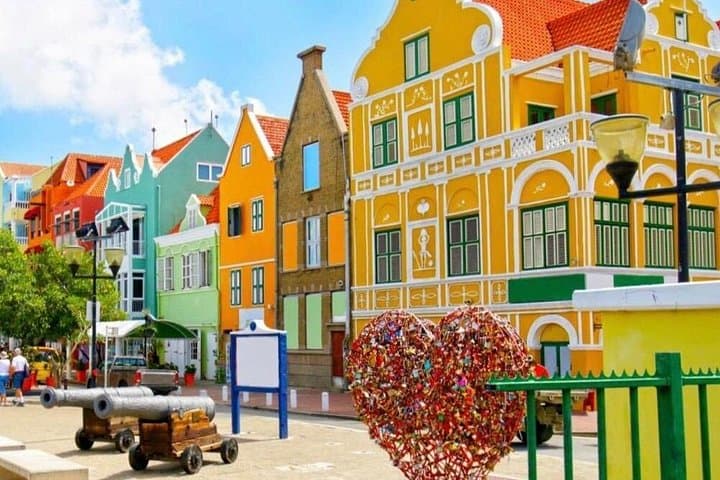
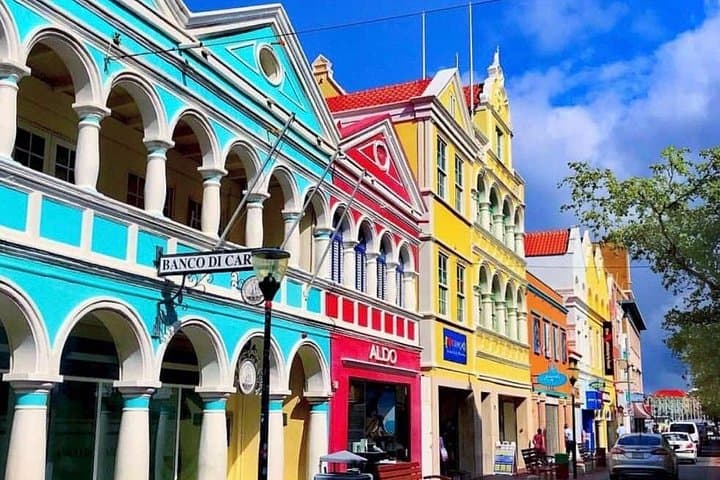
You step off the pier and the city greets you in color—rows of painted facades catch the light while the bay breathes and the pontoon bridge blinks open for a passing sailboat.
You step off the pier and the city greets you in color—rows of painted facades catch the light while the bay breathes and the pontoon bridge blinks open for a passing sailboat.
This two-hour walking tour threads through Willemstad’s main quarters—Punda and Otrobanda—offering compact snapshots of the island’s Dutch colonial past, Afro-Caribbean culture, and living marketplaces. Expect quick stops at Brión Plein, the Floating Market, Fort Amsterdam, and the Queen Emma (the swinging pontoon bridge), each place marked by a practical story: colonial trade, Jewish merchant histories, and modern-day urban life that still turns on the harbor.
Geologically, Curaçao sits on a limestone plateau: low hills, dry coastal scrub, and sharp coral-derived shorelines shape the city’s waterfront. Culturally, Willemstad grew as a trading hub from the 17th century under the Dutch West India Company; its mix of Sephardic Jewish heritage and Caribbean rhythms is visible in architecture, shops, and the Chichi painted figures sold by local artisans.
Practical guidance: the route is flat, largely stroller and wheelchair accessible, and suitable for most fitness levels. Wear comfortable, ventilated shoes and sun protection; bring a light reusable water bottle—the guide supplies a rum tasting and bottled water. For cruise guests coordinate arrival time so you won’t miss the start; hotel guests meet at Rif Fort. The pace is conversational with photo pauses and short history bites—ideal as an orientation before beach or reef excursions.