THE ADVENTURE COLLECTIVE® · Independent discovery and booking for outdoor travel

Walk Market Street with a historian and trace Wilmington’s darker chapters — a compact, evidence-driven true crime tour that uses place to illuminate past trials, arson, and notorious murders. Expect dim alleys, courthouse steps and grounded storytelling.
Walk Market Street with a historian and trace Wilmington’s darker chapters — a compact, evidence-driven true crime tour that uses place to illuminate past trials, arson, and notorious murders. Expect dim alleys, courthouse steps and grounded storytelling.
The streetlights on Market Street throw long, hesitant shadows as your guide begins a story that makes the clap of distant traffic feel like punctuation. This one-hour walking tour leads you through narrow alleys, past the old city jail and river-facing blocks where crimes once altered lives and law. The river seems almost complicit, its current daring you to keep listening.
Verified experiences and guided adventures in the surrounding area.
Operated by Triangle Walking Tours: Greensboro · Wilmington, North Carolina
The streetlights on Market Street throw long, hesitant shadows as your guide begins a story that makes the clap of distant traffic feel like punctuation. This one-hour walking tour leads you through narrow alleys, past the old city jail and river-facing blocks where crimes once altered lives and law. The river seems almost complicit, its current daring you to keep listening.
Wilmington’s downtown grew from a 18th–19th century port hub; its buildings and brick alleys reflect commerce, conflict and reform. Many cases discussed touch on social tensions of their eras — from violent domestic crimes in tight-knit neighborhoods to a high-profile trial that crossed state lines and headlines — showing how legal practice and local politics evolved here. Geologically the area sits on Coastal Plain sediments; you’ll walk on historic cobbles and modern sidewalks that record human layers rather than bedrock.
Culturally, the tour ties facts to place: the courthouse steps, Market Street storefronts and a former jailyard are touchpoints that let history breathe. Local guides use verified records and archival photos to anchor stories in evidence rather than rumor.
Practical guidance: wear supportive shoes — the route covers variable pavement and brief alley steps. Bring a flashlight or phone light for dim passages and water for warm months. The loop is wheelchair-accessible but uneven surfaces can slow progress; ask about accommodations when booking. Tours run about 60 minutes, operate rain or shine with a 24‑hour cancellation window, and are best experienced early evening when atmosphere and visibility balance.
The tour runs about 60 minutes and follows a loop that begins and ends at the same meeting point on Market Street.
Yes—stories are factual and the route is stroller-friendly, but parents should judge if content is suitable for younger listeners.
The operator lists the tour as wheelchair-accessible; notify them at booking to confirm specific needs and any route adjustments.
Tours may be canceled for severe weather; check cancellation policy and contact the operator if conditions look poor on the day.
Triangle Walking Tours: Greensboro operates guided outdoor trips and adventures with an emphasis on safety, stewardship, and memorable experiences.
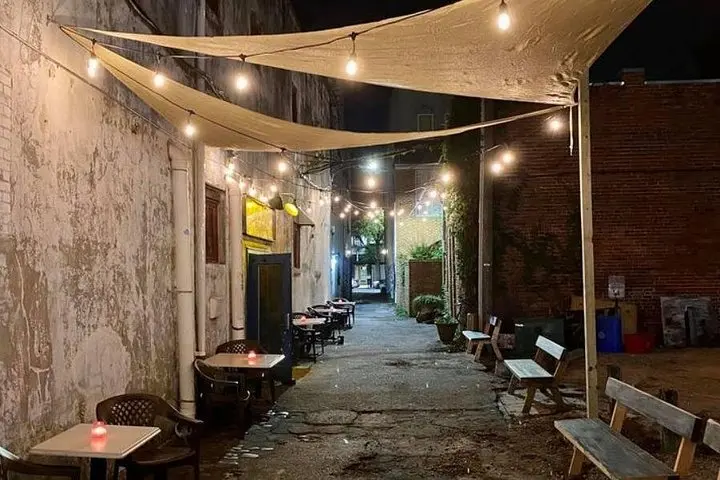
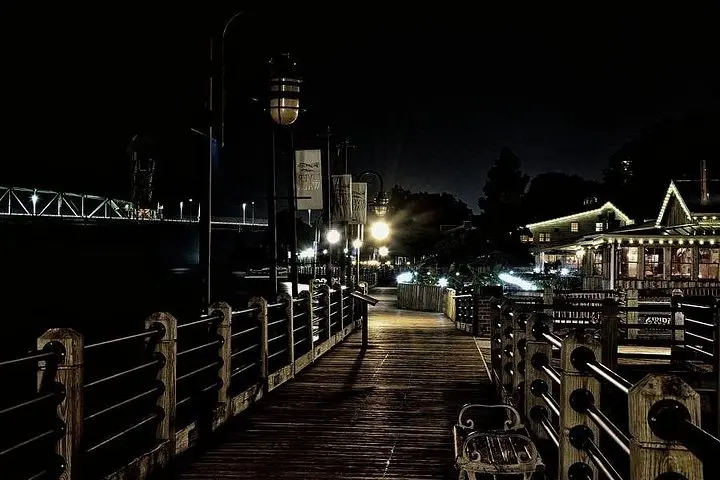

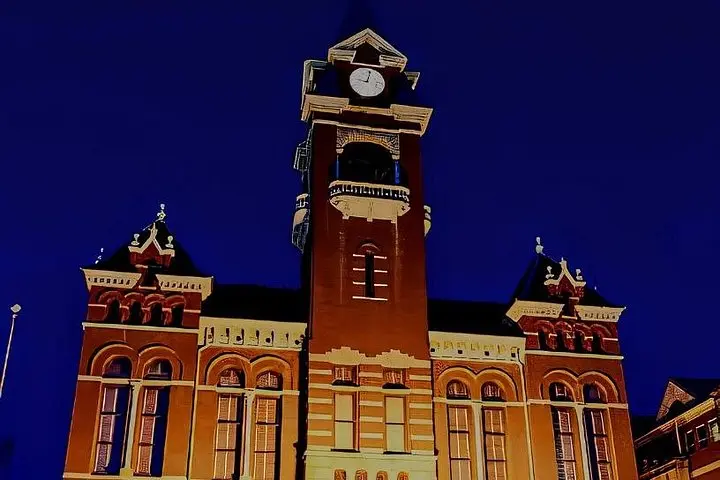
The streetlights on Market Street throw long, hesitant shadows as your guide begins a story that makes the clap of distant traffic feel like punctuation. This one-hour walking tour leads you through narrow alleys, past the old city jail and river-facing blocks where crimes once altered lives and law. The river seems almost complicit, its current daring you to keep listening.
The streetlights on Market Street throw long, hesitant shadows as your guide begins a story that makes the clap of distant traffic feel like punctuation. This one-hour walking tour leads you through narrow alleys, past the old city jail and river-facing blocks where crimes once altered lives and law. The river seems almost complicit, its current daring you to keep listening.
Wilmington’s downtown grew from a 18th–19th century port hub; its buildings and brick alleys reflect commerce, conflict and reform. Many cases discussed touch on social tensions of their eras — from violent domestic crimes in tight-knit neighborhoods to a high-profile trial that crossed state lines and headlines — showing how legal practice and local politics evolved here. Geologically the area sits on Coastal Plain sediments; you’ll walk on historic cobbles and modern sidewalks that record human layers rather than bedrock.
Culturally, the tour ties facts to place: the courthouse steps, Market Street storefronts and a former jailyard are touchpoints that let history breathe. Local guides use verified records and archival photos to anchor stories in evidence rather than rumor.
Practical guidance: wear supportive shoes — the route covers variable pavement and brief alley steps. Bring a flashlight or phone light for dim passages and water for warm months. The loop is wheelchair-accessible but uneven surfaces can slow progress; ask about accommodations when booking. Tours run about 60 minutes, operate rain or shine with a 24‑hour cancellation window, and are best experienced early evening when atmosphere and visibility balance.