THE ADVENTURE COLLECTIVE® · Independent discovery and booking for outdoor travel

A half-day 4x4 safari through Wilpattu delivers patient, up-close encounters with leopards, sloth bears and waterhole birdlife. Early-morning and late-afternoon departures maximize activity and photographic windows.
A half-day 4x4 safari through Wilpattu delivers patient, up-close encounters with leopards, sloth bears and waterhole birdlife. Early-morning and late-afternoon departures maximize activity and photographic windows.
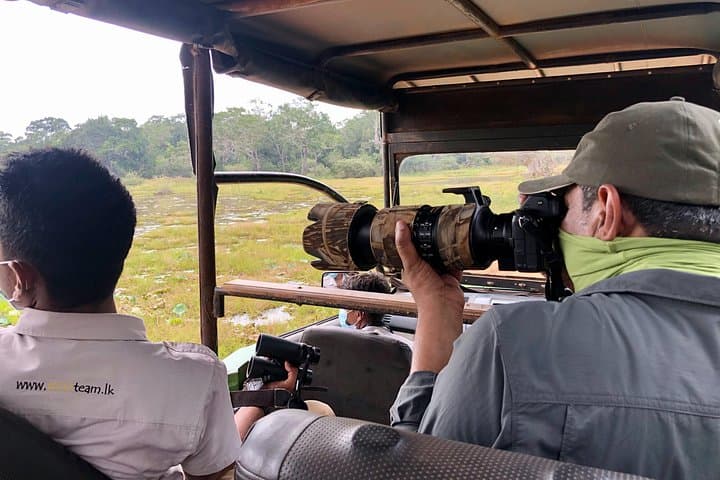
You meet at the park gate before dawn — the jeep idles, headlights cutting through mist that hangs low over shallow villus. The air smells of dry grass and wet earth; a distant hippo-like snort or the chatter of bulbuls breaks the quiet. Your guide scans tracks, tunes the engine to slow, and the park begins to move around you.
Verified experiences and guided adventures in the surrounding area.
Operated by Sri Lanka Day Tours · Anamaduwa, North Western Province
You meet at the park gate before dawn — the jeep idles, headlights cutting through mist that hangs low over shallow villus. The air smells of dry grass and wet earth; a distant hippo-like snort or the chatter of bulbuls breaks the quiet. Your guide scans tracks, tunes the engine to slow, and the park begins to move around you.
Wilpattu is one of Sri Lanka’s largest dry-zone reserves, shaped by sand, seasonal groundwater and a string of natural lakes called villus that collect rain and ground seepage. Declared a protected area in the 20th century, it’s a landscape where scrub forest, grassland and wetlands meet — a place that kept a low profile during decades of conflict and now offers some of the island’s most unpredictable wildlife encounters. Local villages around Puttalam and Anamaduwa have long used the area’s resources; today conservation and tourism intersect as guides and rangers manage sightings and access.
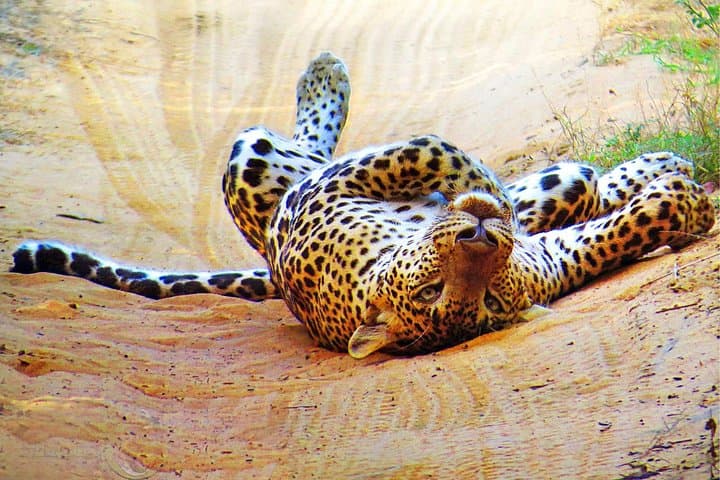
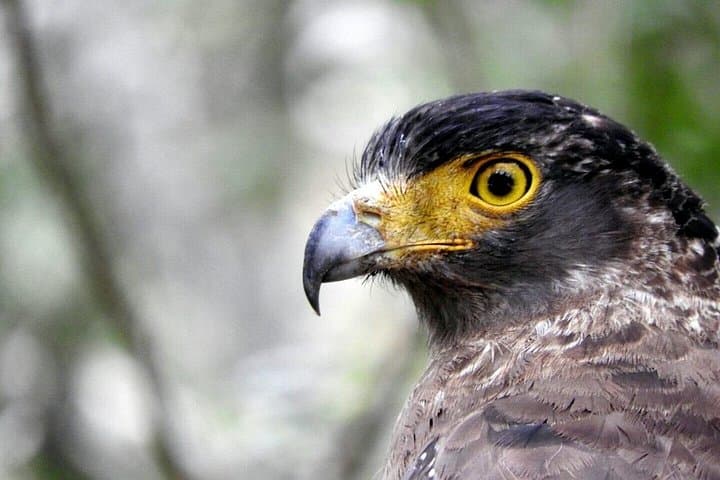
Expect long, patient drives across sandy tracks with sudden, focused stops at watering holes. Leopards move like absent-minded shadows; sloth bears root through leaf litter; elephant herds patrol waterlines and birds exploit the exposed shallows. The guide times longer photo windows at key villus to catch behavior rather than poses.
Practical guide: morning safaris start around 06:00 and evening runs begin mid-afternoon, each about four hours. Wear neutral, layered clothing, bring binoculars, sun protection, insect repellent and a camera with a 200–400mm lens if possible. The terrain is jeep-friendly but bumpy; follow guide instructions, keep windows shaded for heat and animal safety, and carry water. Patience, quiet and timing are the currency here — sightings reward the observant.
No — sightings are unpredictable. Guides maximize opportunities by focusing on villus and known travel routes, but leopards and bears are wild and sightings depend on timing and luck.
Morning safaris typically start at 06:00 and afternoon safaris at 14:30; each run is about four hours as advertised.
The tour is family-friendly but involves climbing into a raised jeep and sitting on bumpy tracks; it’s not recommended for travelers with serious spinal or heart conditions or for late-stage pregnancy.
Personal camera gear is welcome, but drones are prohibited inside national parks — always check park rules and follow your guide’s instructions about equipment use.
Sri Lanka Day Tours operates guided outdoor trips and adventures with an emphasis on safety, stewardship, and memorable experiences.

You meet at the park gate before dawn — the jeep idles, headlights cutting through mist that hangs low over shallow villus. The air smells of dry grass and wet earth; a distant hippo-like snort or the chatter of bulbuls breaks the quiet. Your guide scans tracks, tunes the engine to slow, and the park begins to move around you.
You meet at the park gate before dawn — the jeep idles, headlights cutting through mist that hangs low over shallow villus. The air smells of dry grass and wet earth; a distant hippo-like snort or the chatter of bulbuls breaks the quiet. Your guide scans tracks, tunes the engine to slow, and the park begins to move around you.
Wilpattu is one of Sri Lanka’s largest dry-zone reserves, shaped by sand, seasonal groundwater and a string of natural lakes called villus that collect rain and ground seepage. Declared a protected area in the 20th century, it’s a landscape where scrub forest, grassland and wetlands meet — a place that kept a low profile during decades of conflict and now offers some of the island’s most unpredictable wildlife encounters. Local villages around Puttalam and Anamaduwa have long used the area’s resources; today conservation and tourism intersect as guides and rangers manage sightings and access.
Expect long, patient drives across sandy tracks with sudden, focused stops at watering holes. Leopards move like absent-minded shadows; sloth bears root through leaf litter; elephant herds patrol waterlines and birds exploit the exposed shallows. The guide times longer photo windows at key villus to catch behavior rather than poses.
Practical guide: morning safaris start around 06:00 and evening runs begin mid-afternoon, each about four hours. Wear neutral, layered clothing, bring binoculars, sun protection, insect repellent and a camera with a 200–400mm lens if possible. The terrain is jeep-friendly but bumpy; follow guide instructions, keep windows shaded for heat and animal safety, and carry water. Patience, quiet and timing are the currency here — sightings reward the observant.