THE ADVENTURE COLLECTIVE® · Independent discovery and booking for outdoor travel

Spend a full day tracking leopards and sloth bears across Wilpattu’s 130,000 hectares of willus, scrub and grassland. This full-day safari from Anuradhapura pairs early-morning focus with practical comforts—water, packed meals and experienced guides—for a high-chance wildlife experience.
Spend a full day tracking leopards and sloth bears across Wilpattu’s 130,000 hectares of willus, scrub and grassland. This full-day safari from Anuradhapura pairs early-morning focus with practical comforts—water, packed meals and experienced guides—for a high-chance wildlife experience.
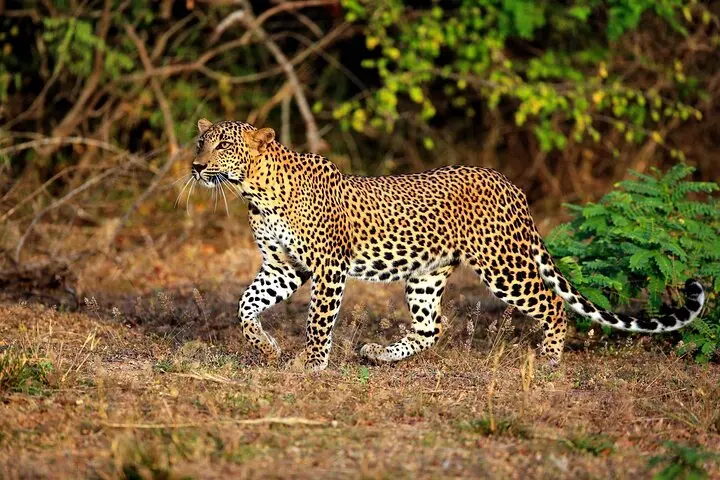
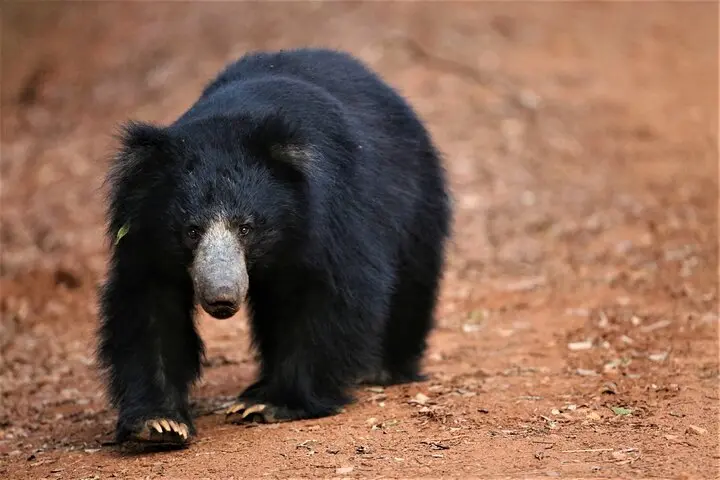
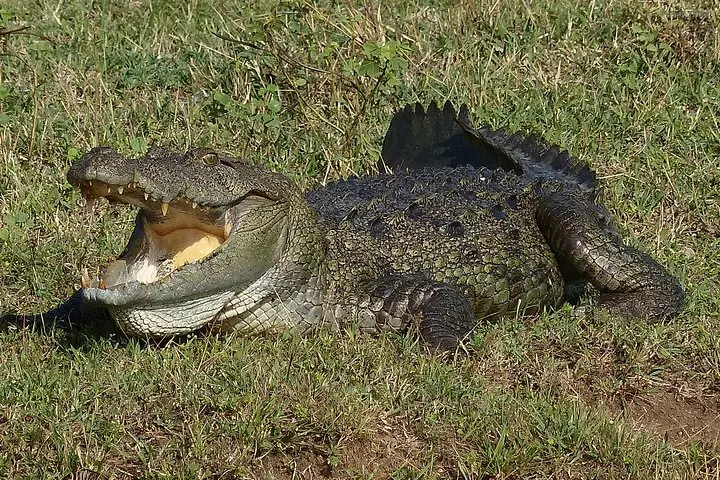
Dawn arrives over Wilpattu as your jeep pulls onto a dust track, the sky paling while the willus hold the last of the night. The park’s dry-evergreen scrub opens in pockets—sandy lanes, shallow lakes, and sun-scorched grass—each a stage for slow, watchful animals. For 10–12 hours you trace routes across roughly 130,000 hectares where leopards move like shadows, sloth bears root through leaf litter, and mugger crocodiles slip into water with a soft, deliberate authority.
Verified experiences and guided adventures in the surrounding area.
Operated by Sign of Lanka · Anuradhapura, North Central Province
Dawn arrives over Wilpattu as your jeep pulls onto a dust track, the sky paling while the willus hold the last of the night. The park’s dry-evergreen scrub opens in pockets—sandy lanes, shallow lakes, and sun-scorched grass—each a stage for slow, watchful animals. For 10–12 hours you trace routes across roughly 130,000 hectares where leopards move like shadows, sloth bears root through leaf litter, and mugger crocodiles slip into water with a soft, deliberate authority.
Wilpattu is one of Sri Lanka’s oldest and largest protected areas. The willus are natural rain-formed basins on porous soils; they control the park’s rhythm and concentrate life on seasonal edges. Nearby Anuradhapura provides a cultural backdrop: an ancient capital whose irrigation traditions still shape the surrounding countryside and the way local people read the seasons.
Geologically the park is simple—sandy plains, low rock outcrops and depressions that collect rain—yet those small changes create varied microhabitats. Local villages carry a quiet, agrarian culture centered on tanks and fields; your guide will often interpret both animal behaviour and the human landscape you pass.
Practical guidance: aim for early morning and late-afternoon game drives for the best sightings; mid-day can be lethargic. Pack sun protection, a telephoto lens or binoculars, at least 2 liters of water, and motion-sickness remedies for long, bumpy tracks. Wear closed-toe shoes for short exits from the jeep and layered clothing for cooler starts. Keep distance, follow guide instructions, and expect fitted, customized safari jeeps and light meals included. With patience and preparation Wilpattu yields rare encounters and a direct, elemental experience of Sri Lanka’s dry zone.
Common sightings include spotted deer, wild pigs, waterfowl and crocodiles; leopards and sloth bears are present but sightings are not guaranteed—early and late drives increase your chances.
Pickup times typically start around 5:00 AM and the whole excursion runs 10–12 hours including travel; transfer time depends on your hotel location but is usually under two hours one-way.
Yes—packed breakfast, packed lunch and bottled water/refreshments are included to keep you comfortable through the long day.
Infants must sit on laps; the tour is not recommended for pregnant travelers or those with serious back or heart conditions due to long, bumpy travel.
Sign of Lanka operates guided outdoor trips and adventures with an emphasis on safety, stewardship, and memorable experiences.
Dawn arrives over Wilpattu as your jeep pulls onto a dust track, the sky paling while the willus hold the last of the night. The park’s dry-evergreen scrub opens in pockets—sandy lanes, shallow lakes, and sun-scorched grass—each a stage for slow, watchful animals. For 10–12 hours you trace routes across roughly 130,000 hectares where leopards move like shadows, sloth bears root through leaf litter, and mugger crocodiles slip into water with a soft, deliberate authority.
Dawn arrives over Wilpattu as your jeep pulls onto a dust track, the sky paling while the willus hold the last of the night. The park’s dry-evergreen scrub opens in pockets—sandy lanes, shallow lakes, and sun-scorched grass—each a stage for slow, watchful animals. For 10–12 hours you trace routes across roughly 130,000 hectares where leopards move like shadows, sloth bears root through leaf litter, and mugger crocodiles slip into water with a soft, deliberate authority.
Wilpattu is one of Sri Lanka’s oldest and largest protected areas. The willus are natural rain-formed basins on porous soils; they control the park’s rhythm and concentrate life on seasonal edges. Nearby Anuradhapura provides a cultural backdrop: an ancient capital whose irrigation traditions still shape the surrounding countryside and the way local people read the seasons.
Geologically the park is simple—sandy plains, low rock outcrops and depressions that collect rain—yet those small changes create varied microhabitats. Local villages carry a quiet, agrarian culture centered on tanks and fields; your guide will often interpret both animal behaviour and the human landscape you pass.
Practical guidance: aim for early morning and late-afternoon game drives for the best sightings; mid-day can be lethargic. Pack sun protection, a telephoto lens or binoculars, at least 2 liters of water, and motion-sickness remedies for long, bumpy tracks. Wear closed-toe shoes for short exits from the jeep and layered clothing for cooler starts. Keep distance, follow guide instructions, and expect fitted, customized safari jeeps and light meals included. With patience and preparation Wilpattu yields rare encounters and a direct, elemental experience of Sri Lanka’s dry zone.