THE ADVENTURE COLLECTIVE® · Independent discovery and booking for outdoor travel

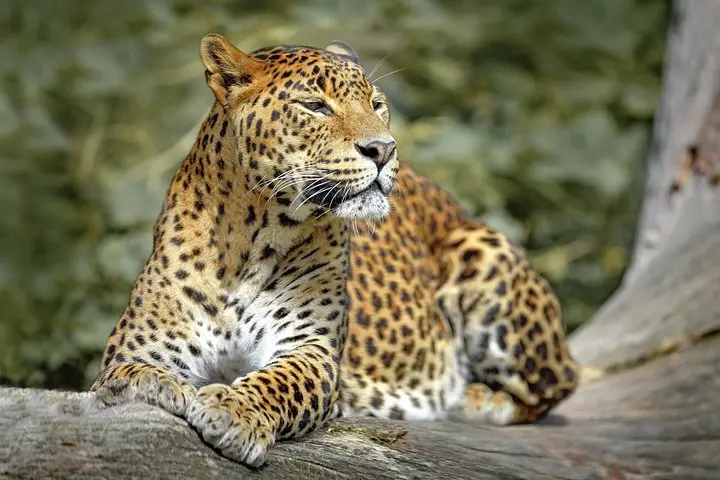
Spend a day tracking leopards and elephants across Wilpattu’s dry-zone plains. This guided jeep safari from Dambulla focuses on seasonal lakes (villus), patient wildlife viewing, and practical, photographer-friendly stops.
Spend a day tracking leopards and elephants across Wilpattu’s dry-zone plains. This guided jeep safari from Dambulla focuses on seasonal lakes (villus), patient wildlife viewing, and practical, photographer-friendly stops.
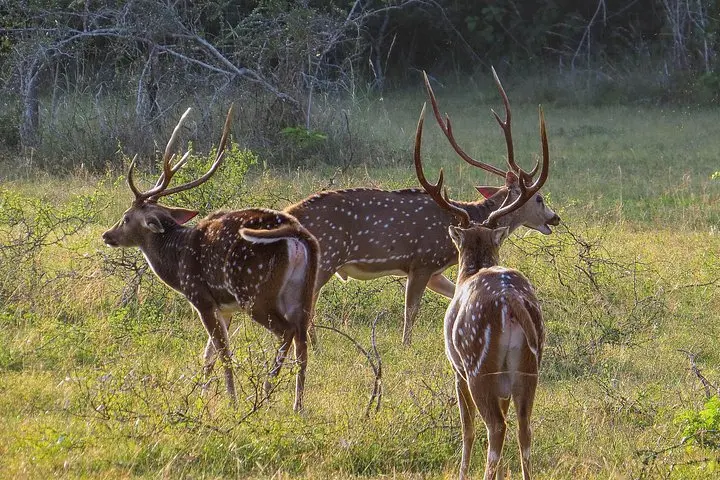
Early light slices across scrub and low forest as the safari jeep cracks open the silence—waterholes glitter like dark mirrors and the park’s seasonal villus dare you to look closer. Wilpattu’s flat plains and scattered tanks create a mosaic of open grassland and low canopy where motion reads like a language: a flash of tail, a ripple of water, the measured tread of elephant.
Verified experiences and guided adventures in the surrounding area.
Operated by Lakpura LLC · Anuradhapura, North Central Province
Early light slices across scrub and low forest as the safari jeep cracks open the silence—waterholes glitter like dark mirrors and the park’s seasonal villus dare you to look closer. Wilpattu’s flat plains and scattered tanks create a mosaic of open grassland and low canopy where motion reads like a language: a flash of tail, a ripple of water, the measured tread of elephant.
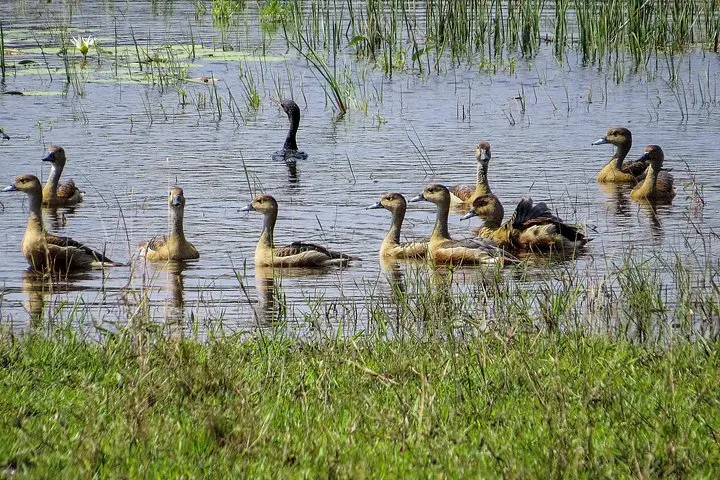
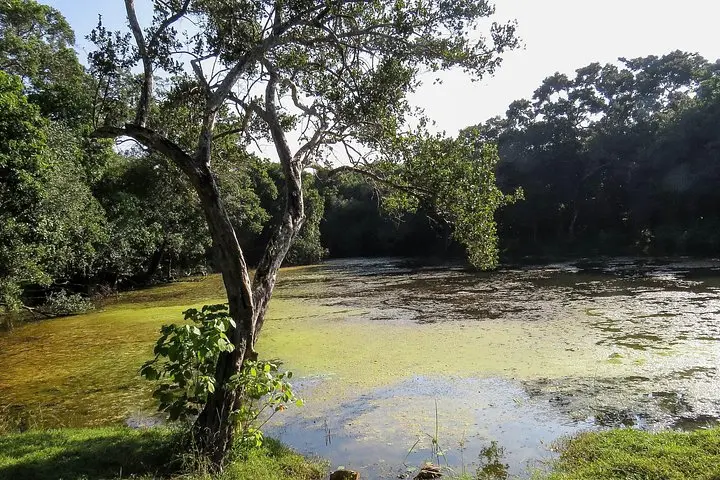
Established as a sanctuary in 1905 and declared a national park in 1938, Wilpattu preserves one of Sri Lanka’s oldest intact dry-zone ecosystems. The park’s low-lying sandstones and clay plains collect rain in shallow natural lakes (villus) that animate birdlife and focus predators. Local villages around Dambulla and Anuradhapura have long histories tied to seasonal farming, and the park sits at the intersection of rural livelihoods and conservation efforts.
On a guided jeep safari, expect long stretches on rutted tracks interrupted by patient stops at villus and shaded glades. Trackers read prints and listen for alarm calls; guides know where leopards and sloth bears are most often reported. Photography windows are generous—bring a telephoto and keep ISO ready for shaded thickets. Lunch is commonly a packed picnic inside the park, a simple meal with an audience of hornbills or teal.
Practical tips: safaris run best in the dry season when animals concentrate around water; wear neutral, breathable layers and comfortable closed shoes; carry water and sun protection. Respect park rules—stay in the vehicle, keep noise low, and avoid feeding wildlife. For visitors from Dambulla, the day trip is a focused, rewarding push into Sri Lanka’s wild interior.
Leopard sightings are possible but not guaranteed; experienced trackers and early/late drives improve your chances, but leopards are elusive and sightings depend on season and luck.
Entrance fees are included if you choose the transport-with-tickets option; confirm at booking and carry ID for any on-site checks.
Children can join, but the tour advises moderate fitness and may restrict participation of very young or medically fragile travelers—check tour policies at booking.
Neutral-colored, breathable clothing and closed shoes are best; avoid bright colors and strong scents that attract insects or wildlife.
Lakpura LLC operates guided outdoor trips and adventures with an emphasis on safety, stewardship, and memorable experiences.
Early light slices across scrub and low forest as the safari jeep cracks open the silence—waterholes glitter like dark mirrors and the park’s seasonal villus dare you to look closer. Wilpattu’s flat plains and scattered tanks create a mosaic of open grassland and low canopy where motion reads like a language: a flash of tail, a ripple of water, the measured tread of elephant.
Early light slices across scrub and low forest as the safari jeep cracks open the silence—waterholes glitter like dark mirrors and the park’s seasonal villus dare you to look closer. Wilpattu’s flat plains and scattered tanks create a mosaic of open grassland and low canopy where motion reads like a language: a flash of tail, a ripple of water, the measured tread of elephant.
Established as a sanctuary in 1905 and declared a national park in 1938, Wilpattu preserves one of Sri Lanka’s oldest intact dry-zone ecosystems. The park’s low-lying sandstones and clay plains collect rain in shallow natural lakes (villus) that animate birdlife and focus predators. Local villages around Dambulla and Anuradhapura have long histories tied to seasonal farming, and the park sits at the intersection of rural livelihoods and conservation efforts.
On a guided jeep safari, expect long stretches on rutted tracks interrupted by patient stops at villus and shaded glades. Trackers read prints and listen for alarm calls; guides know where leopards and sloth bears are most often reported. Photography windows are generous—bring a telephoto and keep ISO ready for shaded thickets. Lunch is commonly a packed picnic inside the park, a simple meal with an audience of hornbills or teal.
Practical tips: safaris run best in the dry season when animals concentrate around water; wear neutral, breathable layers and comfortable closed shoes; carry water and sun protection. Respect park rules—stay in the vehicle, keep noise low, and avoid feeding wildlife. For visitors from Dambulla, the day trip is a focused, rewarding push into Sri Lanka’s wild interior.