THE ADVENTURE COLLECTIVE® · Independent discovery and booking for outdoor travel

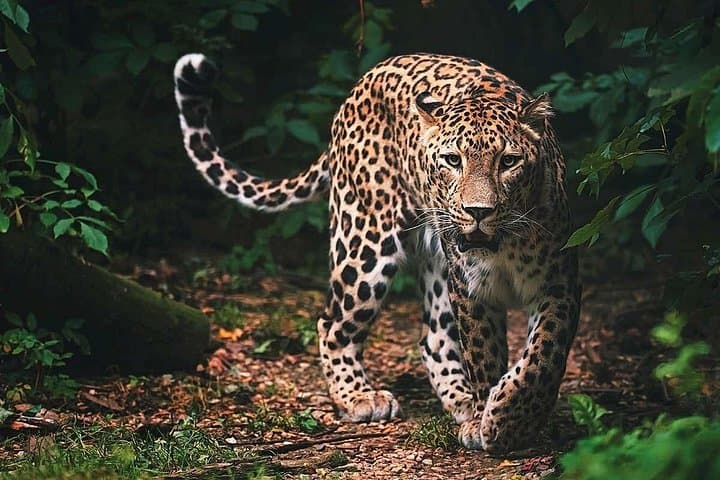
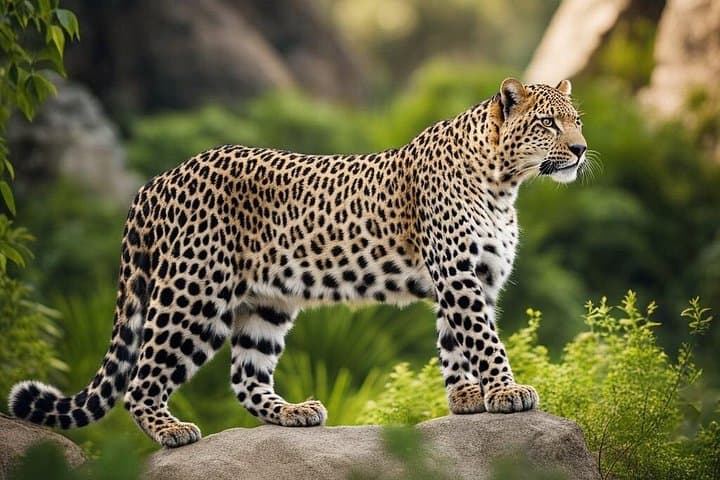
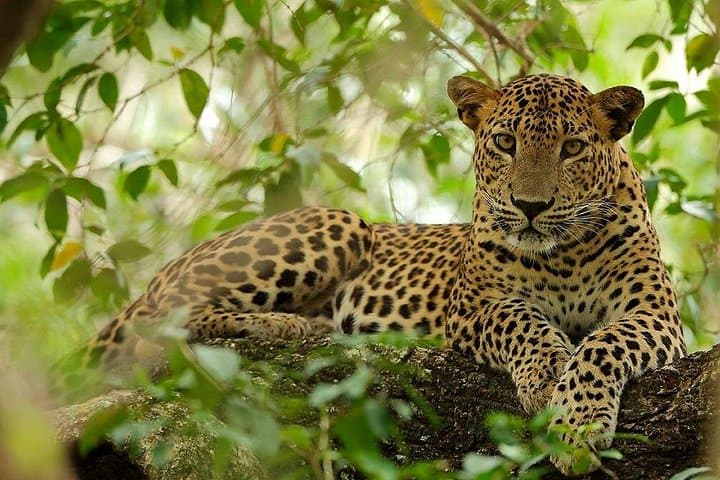
Drive across sand-rimmed willus and watch for Sri Lanka’s elusive leopard on a private Jeep safari through Wilpattu National Park. This guide explains what to expect, when to go, and how to prepare for a day in one of the island’s most wildlife-rich lowlands.
Drive across sand-rimmed willus and watch for Sri Lanka’s elusive leopard on a private Jeep safari through Wilpattu National Park. This guide explains what to expect, when to go, and how to prepare for a day in one of the island’s most wildlife-rich lowlands.
Dust lifts as the Jeep eases across rutted tracks and the dry lowland opens into a scatter of water basins — the willus — reflecting the sky like small, watchful lakes. Early light finds the park half asleep; birds call from thorn scrub and a distant disturbance hints at something larger moving through the grass. On a Wilpattu safari, the landscape itself feels alert, nudging you toward pockets of life that hide in plain sight.
Verified experiences and guided adventures in the surrounding area.
Operated by Travceylon Leisure · Anuradhapura, North Central Province
Dust lifts as the Jeep eases across rutted tracks and the dry lowland opens into a scatter of water basins — the willus — reflecting the sky like small, watchful lakes. Early light finds the park half asleep; birds call from thorn scrub and a distant disturbance hints at something larger moving through the grass. On a Wilpattu safari, the landscape itself feels alert, nudging you toward pockets of life that hide in plain sight.
Wilpattu is Sri Lanka’s largest and one of its oldest national parks, carved from coastal lowlands where sand-rimmed depressions collect seasonal rain. Geology here is low-elevation limestone and coastal plains; the willu system shapes both animal movement and human history, sustaining dry-zone communities for centuries. Cultural touches — small villages and temple ruins around the park’s edges — remind visitors they’re driving through a living landscape, not a museum.
Expect long game drives from dawn into midday or full-day circuits: the aim is leopard sightings, but you’ll also watch elephants, sloth bears, and herds of spotted deer navigate the willus. Trackers and experienced drivers read spoor and shade to position the Jeep without disturbing wildlife.
Practical guidance: book early-morning sessions for cooler temperatures and higher activity; bring binoculars, sun protection, and quiet patience. Vehicles are basic but practical — dress in layers, hydrate frequently, and keep cameras ready with neutral apparel to avoid startling animals. Wilpattu rewards slow observation and respect: the park’s mood is patient, and encounters, when they come, feel earned.
Safari options range from half-day (about 4 hours) to full-day drives (up to 12 hours), depending on the itinerary you book.
Wilpattu is noted for leopards, but you can also expect elephants, sloth bear, barking deer, and a variety of dry-zone bird species.
Yes — this Jeep safari includes Wilpattu National Park entrance tickets and a water bottle per person as listed in the package.
Generally yes; the terrain is experienced from a vehicle and the activity is low-impact, but it’s not recommended for those with serious back, heart, or pregnancy-related restrictions.
Travceylon Leisure operates guided outdoor trips and adventures with an emphasis on safety, stewardship, and memorable experiences.

Dust lifts as the Jeep eases across rutted tracks and the dry lowland opens into a scatter of water basins — the willus — reflecting the sky like small, watchful lakes. Early light finds the park half asleep; birds call from thorn scrub and a distant disturbance hints at something larger moving through the grass. On a Wilpattu safari, the landscape itself feels alert, nudging you toward pockets of life that hide in plain sight.
Dust lifts as the Jeep eases across rutted tracks and the dry lowland opens into a scatter of water basins — the willus — reflecting the sky like small, watchful lakes. Early light finds the park half asleep; birds call from thorn scrub and a distant disturbance hints at something larger moving through the grass. On a Wilpattu safari, the landscape itself feels alert, nudging you toward pockets of life that hide in plain sight.
Wilpattu is Sri Lanka’s largest and one of its oldest national parks, carved from coastal lowlands where sand-rimmed depressions collect seasonal rain. Geology here is low-elevation limestone and coastal plains; the willu system shapes both animal movement and human history, sustaining dry-zone communities for centuries. Cultural touches — small villages and temple ruins around the park’s edges — remind visitors they’re driving through a living landscape, not a museum.
Expect long game drives from dawn into midday or full-day circuits: the aim is leopard sightings, but you’ll also watch elephants, sloth bears, and herds of spotted deer navigate the willus. Trackers and experienced drivers read spoor and shade to position the Jeep without disturbing wildlife.
Practical guidance: book early-morning sessions for cooler temperatures and higher activity; bring binoculars, sun protection, and quiet patience. Vehicles are basic but practical — dress in layers, hydrate frequently, and keep cameras ready with neutral apparel to avoid startling animals. Wilpattu rewards slow observation and respect: the park’s mood is patient, and encounters, when they come, feel earned.