THE ADVENTURE COLLECTIVE® · Independent discovery and booking for outdoor travel

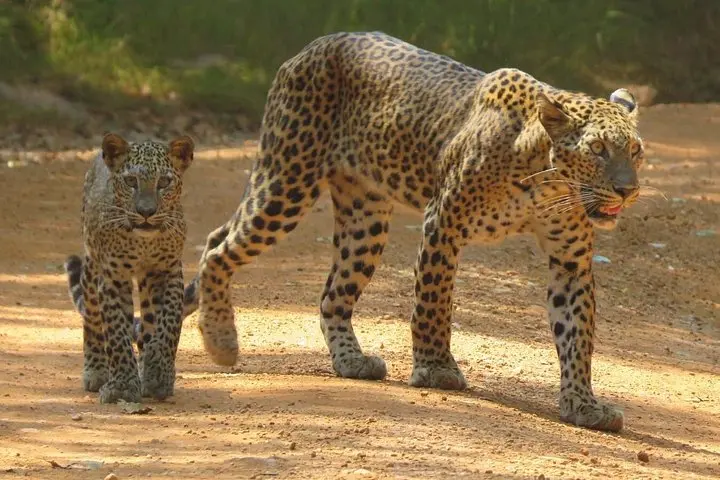
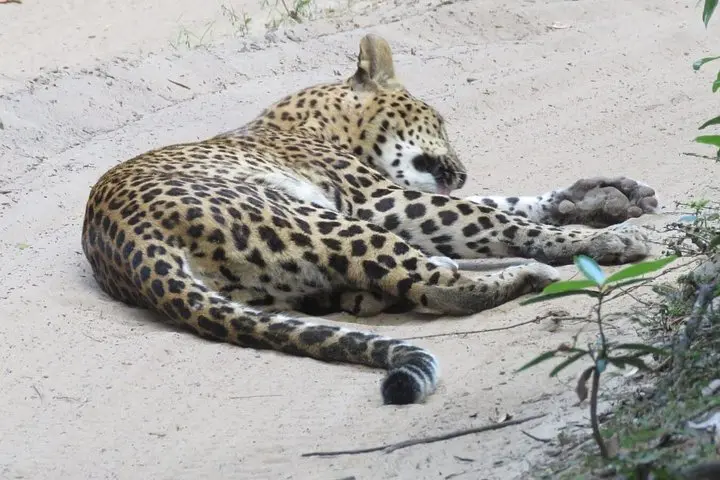
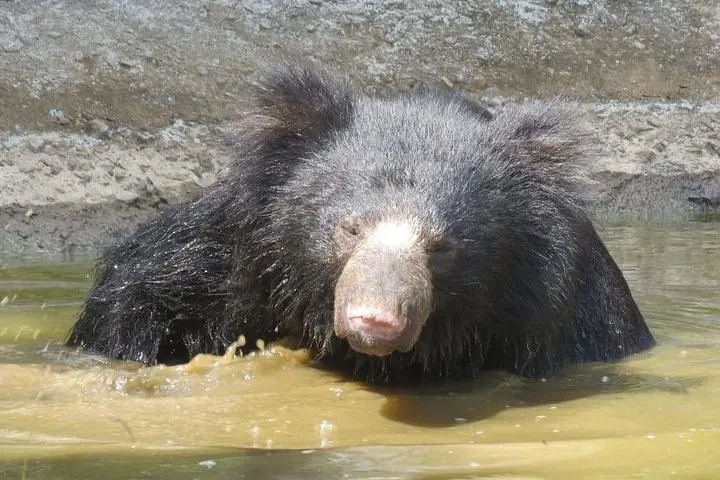
Spend four hours scanning villus and scrub on a private jeep safari through Wilpattu National Park—Sri Lanka’s largest reserve—where leopards, elephants, and shorebirds gather around seasonal waterholes. Morning and late-afternoon runs offer the best chance to see big cats and bears while an experienced tracker guides the route.
Spend four hours scanning villus and scrub on a private jeep safari through Wilpattu National Park—Sri Lanka’s largest reserve—where leopards, elephants, and shorebirds gather around seasonal waterholes. Morning and late-afternoon runs offer the best chance to see big cats and bears while an experienced tracker guides the route.
Dawn breaks over a low, sunbaked plain and the jeep bumps onto a track threaded between shallow natural lakes—villus—that catch the light like small mirrors. The air is warm and dry; the scrub brushes against the vehicle as your driver-tracker scans the tree line. Here, in Sri Lanka’s largest and one of its oldest reserves, wildlife sets the tempo and the land answers back.
Verified experiences and guided adventures in the surrounding area.
Operated by SriLanka Best Safari Udawalawe National Park · Puttalam, North Western Province
Dawn breaks over a low, sunbaked plain and the jeep bumps onto a track threaded between shallow natural lakes—villus—that catch the light like small mirrors. The air is warm and dry; the scrub brushes against the vehicle as your driver-tracker scans the tree line. Here, in Sri Lanka’s largest and one of its oldest reserves, wildlife sets the tempo and the land answers back.
Wilpattu’s landscape is defined by sand, thorny scrub, and clusters of villu formed where seasonal water collects. The park’s reputation for leopards and sloth bears owes as much to its open mosaics as to its prey base: chital and sambar move through the same channels that predators use. The coastline’s limestone and alluvial soils give way inland to shallow basins that pulse with birds during the dry season.
Local culture around Wilpattu blends coastal fishing communities and inland farming villages; many guides are from nearby towns and carry traditional knowledge about animal patterns and seasonal waterholes. The park’s long history as a protected area helped preserve corridors for elephants that still pass through.
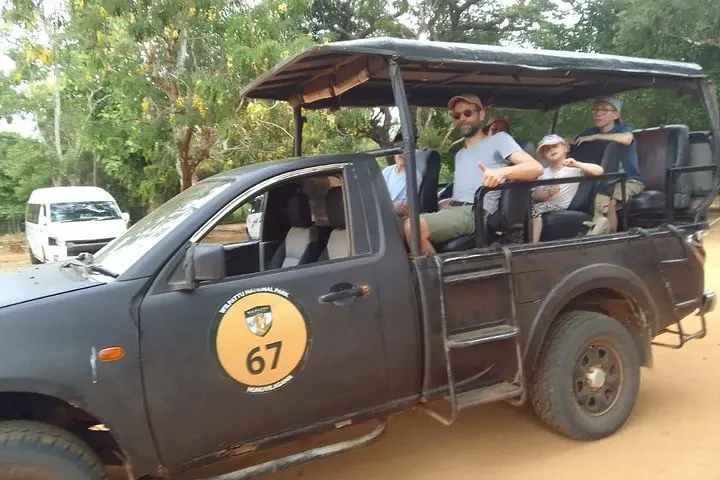
Practical guidance: a private 4-hour jeep safari is low-impact physically but sensory-rich—bring binoculars, a camera with a zoom, and layered sun protection. Expect dusty roads, occasional bumpy stretches, and wildlife sightings best viewed from the vehicle; trackers will often pause at villus and game trails. Morning or late-afternoon departures maximize activity. Respect park rules: stay seated, keep voices low, and follow your tracker’s directions. Hydrate, charge batteries, and prepare for a slow, patient rhythm—this is a watchful, observational experience, not a sprint.
Wilpattu has a strong leopard population and private trackers increase chances, but sightings are never guaranteed—patience and timing (dawn/dusk) improve odds.
Private safari packages typically include 4x4 jeep transport and pick-up/drop-off from accommodations within the Wilpattu area—confirm pickup point at booking.
Infants are allowed but must sit on an adult's lap; discuss seating and safety with the operator if traveling with young children.
The ride can be bumpy and is not recommended for those with serious spinal or cardiovascular issues—consult your doctor and tell the operator about any conditions.
SriLanka Best Safari Udawalawe National Park operates guided outdoor trips and adventures with an emphasis on safety, stewardship, and memorable experiences.
Dawn breaks over a low, sunbaked plain and the jeep bumps onto a track threaded between shallow natural lakes—villus—that catch the light like small mirrors. The air is warm and dry; the scrub brushes against the vehicle as your driver-tracker scans the tree line. Here, in Sri Lanka’s largest and one of its oldest reserves, wildlife sets the tempo and the land answers back.
Dawn breaks over a low, sunbaked plain and the jeep bumps onto a track threaded between shallow natural lakes—villus—that catch the light like small mirrors. The air is warm and dry; the scrub brushes against the vehicle as your driver-tracker scans the tree line. Here, in Sri Lanka’s largest and one of its oldest reserves, wildlife sets the tempo and the land answers back.
Wilpattu’s landscape is defined by sand, thorny scrub, and clusters of villu formed where seasonal water collects. The park’s reputation for leopards and sloth bears owes as much to its open mosaics as to its prey base: chital and sambar move through the same channels that predators use. The coastline’s limestone and alluvial soils give way inland to shallow basins that pulse with birds during the dry season.
Local culture around Wilpattu blends coastal fishing communities and inland farming villages; many guides are from nearby towns and carry traditional knowledge about animal patterns and seasonal waterholes. The park’s long history as a protected area helped preserve corridors for elephants that still pass through.
Practical guidance: a private 4-hour jeep safari is low-impact physically but sensory-rich—bring binoculars, a camera with a zoom, and layered sun protection. Expect dusty roads, occasional bumpy stretches, and wildlife sightings best viewed from the vehicle; trackers will often pause at villus and game trails. Morning or late-afternoon departures maximize activity. Respect park rules: stay seated, keep voices low, and follow your tracker’s directions. Hydrate, charge batteries, and prepare for a slow, patient rhythm—this is a watchful, observational experience, not a sprint.