THE ADVENTURE COLLECTIVE® · Independent discovery and booking for outdoor travel

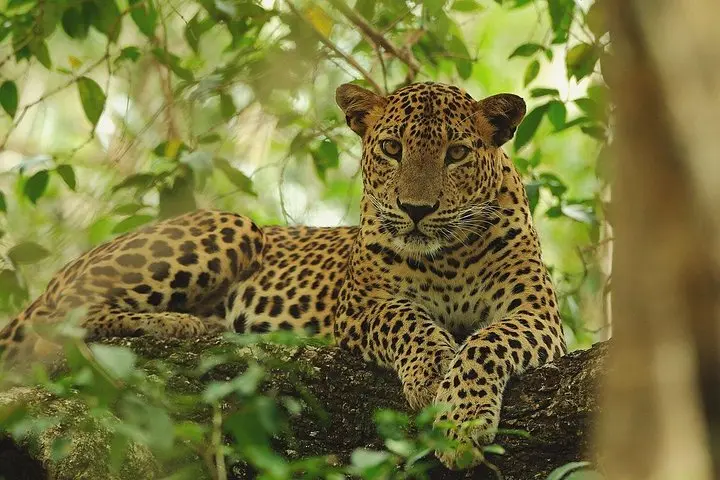
Head into Wilpattu from Trincomalee or Nilaveli for a full-day safari that targets Sri Lankan leopards and wild elephants across the park’s distinctive sand-rimmed villus. Expect long wildlife watches, open-jeep viewing, and local guide expertise.
Head into Wilpattu from Trincomalee or Nilaveli for a full-day safari that targets Sri Lankan leopards and wild elephants across the park’s distinctive sand-rimmed villus. Expect long wildlife watches, open-jeep viewing, and local guide expertise.
You roll through a dust-scored gate as the morning light lays fingered bands across dry grass; the jeep’s engine settles into a conversational hum and the villus — shallow, sand-rimmed basins — wink in the distance. The guide steers a course between scrub and open water, eyes scanning for the slow blink of an elephant’s ear or the mottled shadow of a leopard slipping between tree trunks.
Verified experiences and guided adventures in the surrounding area.
Operated by Tuktukdude Leisure · Trincomalee, Eastern Province
You roll through a dust-scored gate as the morning light lays fingered bands across dry grass; the jeep’s engine settles into a conversational hum and the villus — shallow, sand-rimmed basins — wink in the distance. The guide steers a course between scrub and open water, eyes scanning for the slow blink of an elephant’s ear or the mottled shadow of a leopard slipping between tree trunks.
Wilpattu is one of Sri Lanka’s largest protected areas, defined by its unique villu system: depressions that trap seasonal rain and concentrate life. Geology here is flat coastal plain and ancient sand; culturally, the park borders communities whose livelihoods and stories have long intertwined with the land and its animals.
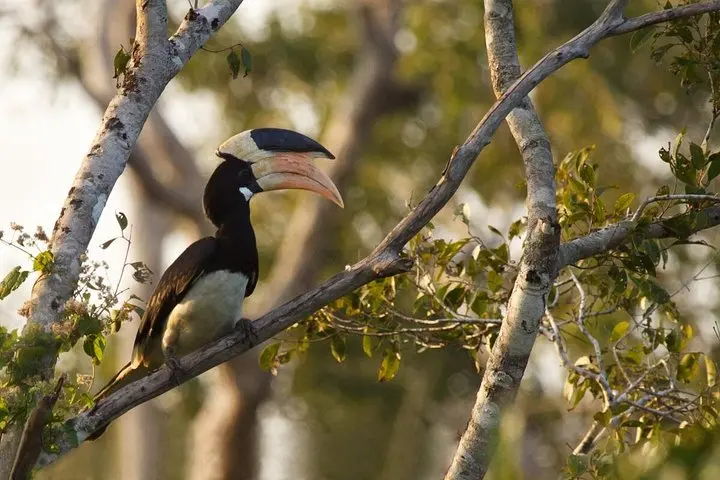
On a day drive from Trincomalee or Nilaveli you’ll spend most hours in an open observation jeep, moving slowly to the animals’ rhythm. Expect focused wildlife watching—leopards and elephants are the headline species, with sambar, spotted deer and water buffalo common—plus patient birding along water margins. Guides and trekker cohosts use local knowledge to position the vehicle where sightings are most likely; the work is observational, not strenuous, but requires patience.
Practical notes: start at dawn for the best light and activity, wear neutral clothing and layered sun protection, bring binoculars and a telephoto lens if you want close photos. Carry water, insect repellent and follow the guide’s distance rules around wildlife. Roads can be dusty and soft after rains; operators typically swap to open observation jeeps inside the park. Stay respectful, keep noise low, and be ready to sit quietly while the forest decides whether to show itself.
This day trip is about nine hours door-to-door, with most time spent inside the park on wildlife drives.
No wildlife can be guaranteed. Guides maximize chances using local knowledge, but sightings depend on animal movement and timing.
Yes—this tour is low-impact and designed for all fitness levels; children should remain seated on laps or seats as required.
A telephoto lens (200–400mm), spare batteries, and a stable hand or small monopod help; use neutral clothing to avoid spooking animals.
Tuktukdude Leisure operates guided outdoor trips and adventures with an emphasis on safety, stewardship, and memorable experiences.
You roll through a dust-scored gate as the morning light lays fingered bands across dry grass; the jeep’s engine settles into a conversational hum and the villus — shallow, sand-rimmed basins — wink in the distance. The guide steers a course between scrub and open water, eyes scanning for the slow blink of an elephant’s ear or the mottled shadow of a leopard slipping between tree trunks.
You roll through a dust-scored gate as the morning light lays fingered bands across dry grass; the jeep’s engine settles into a conversational hum and the villus — shallow, sand-rimmed basins — wink in the distance. The guide steers a course between scrub and open water, eyes scanning for the slow blink of an elephant’s ear or the mottled shadow of a leopard slipping between tree trunks.
Wilpattu is one of Sri Lanka’s largest protected areas, defined by its unique villu system: depressions that trap seasonal rain and concentrate life. Geology here is flat coastal plain and ancient sand; culturally, the park borders communities whose livelihoods and stories have long intertwined with the land and its animals.
On a day drive from Trincomalee or Nilaveli you’ll spend most hours in an open observation jeep, moving slowly to the animals’ rhythm. Expect focused wildlife watching—leopards and elephants are the headline species, with sambar, spotted deer and water buffalo common—plus patient birding along water margins. Guides and trekker cohosts use local knowledge to position the vehicle where sightings are most likely; the work is observational, not strenuous, but requires patience.
Practical notes: start at dawn for the best light and activity, wear neutral clothing and layered sun protection, bring binoculars and a telephoto lens if you want close photos. Carry water, insect repellent and follow the guide’s distance rules around wildlife. Roads can be dusty and soft after rains; operators typically swap to open observation jeeps inside the park. Stay respectful, keep noise low, and be ready to sit quietly while the forest decides whether to show itself.