THE ADVENTURE COLLECTIVE® · Independent discovery and booking for outdoor travel

Wend through three narrow slot canyons — Thumbnail, Fire Rock and Turquoise — on a guided 2-mile hike that pairs geological insight with a stop at a working Navajo ranch. Ideal for photographers and hikers with moderate fitness.
Wend through three narrow slot canyons — Thumbnail, Fire Rock and Turquoise — on a guided 2-mile hike that pairs geological insight with a stop at a working Navajo ranch. Ideal for photographers and hikers with moderate fitness.
You round a low red ridge and the canyon opens like a peeled back throat of rock: narrow, sun-sliced walls of Navajo sandstone rising and narrowing above you. Wind Pebble Canyon’s route threads three linked slot canyons — Thumbnail, Fire Rock, and Turquoise — where light strips the walls in bands of orange, rust and ochre and the air smells faintly of warmed stone.
Verified experiences and guided adventures in the surrounding area.
Operated by Antelope Valley Canyon Tours · Page, Arizona
You round a low red ridge and the canyon opens like a peeled back throat of rock: narrow, sun-sliced walls of Navajo sandstone rising and narrowing above you. Wind Pebble Canyon’s route threads three linked slot canyons — Thumbnail, Fire Rock, and Turquoise — where light strips the walls in bands of orange, rust and ochre and the air smells faintly of warmed stone.
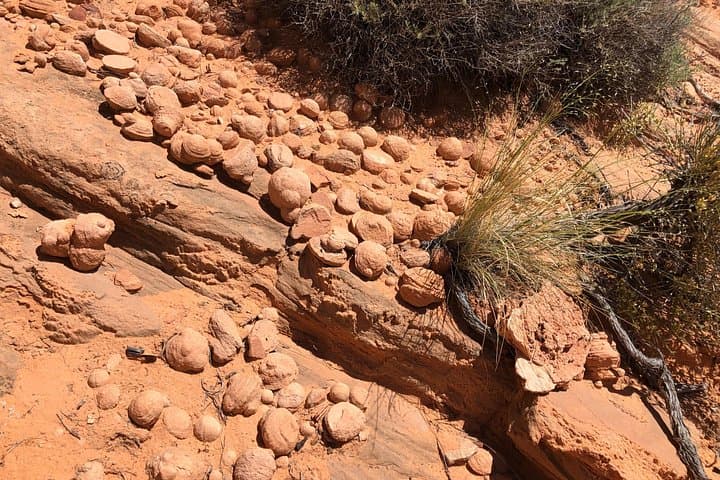
The canyons are carved from Jurassic-era sandstone; wind and seasonal flash floods have sculpted the narrow passages over millions of years. This stretch sits on Navajo Nation land, where centuries of Indigenous presence shape the landscape and the ranch visit included on the tour offers a direct view into contemporary Navajo life, from sweat lodge sites to working livestock patterns.
Expect tight squeezes, short scrambling sections, and moments of complete silence interrupted only by the scrape of boots on sand. Guides interpret the geology — how cross-bedding, cementation and erosion made the forms — and point out cultural features and ethnobotanical uses of local plants.
Practicalities: the route is a partial 2–2.5 mile hike with roughly moderate fitness required; bring 2–3 liters of water, sturdy grippy footwear and sun protection. Tours start from a meeting point south of Highway 98 with a short drive to the trailhead; arrive 30 minutes early to check in. Weather matters — flash floods can close slots — and photography works best mid-day when light penetrates the narrows. Respect Navajo regulations, stay with your group, and pack out what you bring in to protect the fragile desert soils.
The tour covers roughly 2–2.5 miles with short scrambles and narrow sections; it’s rated moderate and suitable for those comfortable on uneven terrain.
Yes — the canyons and ranch are on Navajo Nation land; tours are permitted and must follow Navajo regulations and guide instructions.
Backpacks are allowed; bring a camera but secure straps in narrow spots and be mindful of group flow and cultural sites.
Flash floods, heavy rain, and unsafe trail conditions can cancel tours; operators typically cancel for inclement weather to ensure safety.
Antelope Valley Canyon Tours operates guided outdoor trips and adventures with an emphasis on safety, stewardship, and memorable experiences.
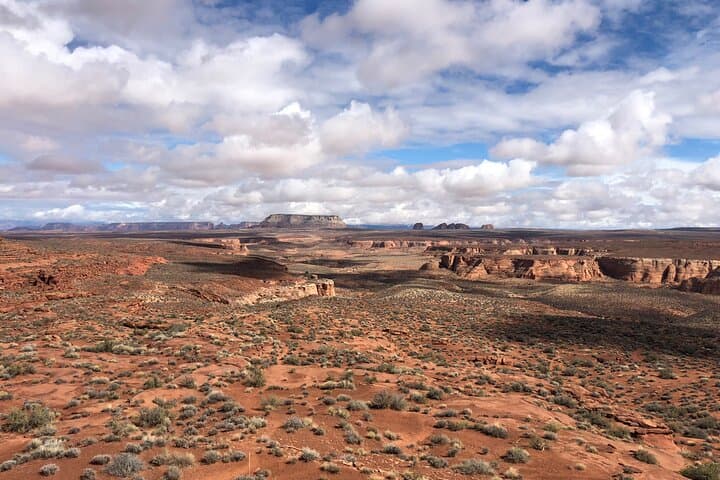
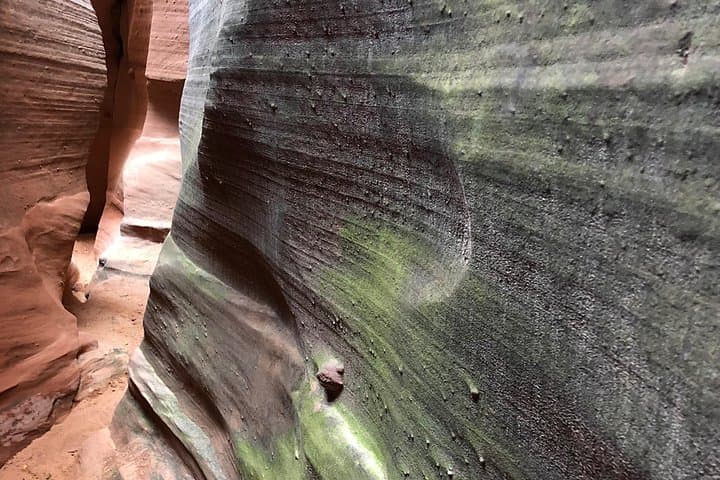
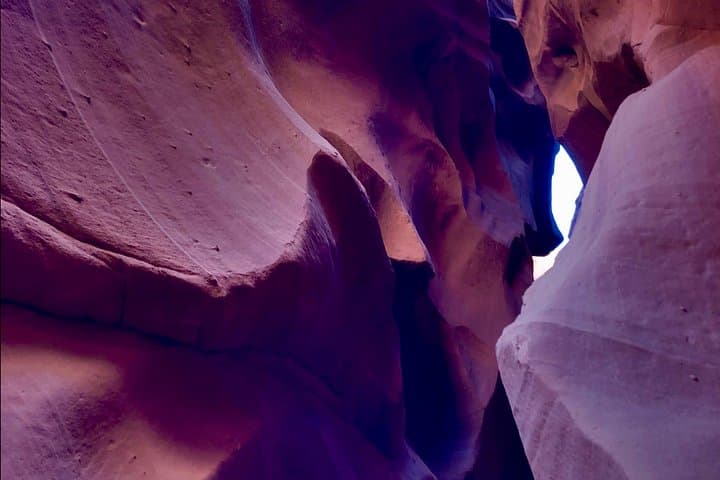
You round a low red ridge and the canyon opens like a peeled back throat of rock: narrow, sun-sliced walls of Navajo sandstone rising and narrowing above you. Wind Pebble Canyon’s route threads three linked slot canyons — Thumbnail, Fire Rock, and Turquoise — where light strips the walls in bands of orange, rust and ochre and the air smells faintly of warmed stone.
You round a low red ridge and the canyon opens like a peeled back throat of rock: narrow, sun-sliced walls of Navajo sandstone rising and narrowing above you. Wind Pebble Canyon’s route threads three linked slot canyons — Thumbnail, Fire Rock, and Turquoise — where light strips the walls in bands of orange, rust and ochre and the air smells faintly of warmed stone.
The canyons are carved from Jurassic-era sandstone; wind and seasonal flash floods have sculpted the narrow passages over millions of years. This stretch sits on Navajo Nation land, where centuries of Indigenous presence shape the landscape and the ranch visit included on the tour offers a direct view into contemporary Navajo life, from sweat lodge sites to working livestock patterns.
Expect tight squeezes, short scrambling sections, and moments of complete silence interrupted only by the scrape of boots on sand. Guides interpret the geology — how cross-bedding, cementation and erosion made the forms — and point out cultural features and ethnobotanical uses of local plants.
Practicalities: the route is a partial 2–2.5 mile hike with roughly moderate fitness required; bring 2–3 liters of water, sturdy grippy footwear and sun protection. Tours start from a meeting point south of Highway 98 with a short drive to the trailhead; arrive 30 minutes early to check in. Weather matters — flash floods can close slots — and photography works best mid-day when light penetrates the narrows. Respect Navajo regulations, stay with your group, and pack out what you bring in to protect the fragile desert soils.