THE ADVENTURE COLLECTIVE® · Independent discovery and booking for outdoor travel

Explore Windhoek’s colonial landmarks and the living history of Katutura on a 3–4 hour city and township tour. Expect short walks, market tastings, and a meaningful look at Namibia’s cultural past.
Explore Windhoek’s colonial landmarks and the living history of Katutura on a 3–4 hour city and township tour. Expect short walks, market tastings, and a meaningful look at Namibia’s cultural past.
You step out of an air‑conditioned van into Windhoek’s high, dry air; the city sits framed by granite koppies and the steady line of the Auas Mountains to the south. The first stop gives a sweeping urban view — red roofs, modern parliament, and the pale arc of the Goreangab reservoir — while a guide unfolds the city’s layered past.
Verified experiences and guided adventures in the surrounding area.
Operated by Kavana Tours Namibia · Windhoek, Khomas
You step out of an air‑conditioned van into Windhoek’s high, dry air; the city sits framed by granite koppies and the steady line of the Auas Mountains to the south. The first stop gives a sweeping urban view — red roofs, modern parliament, and the pale arc of the Goreangab reservoir — while a guide unfolds the city’s layered past.
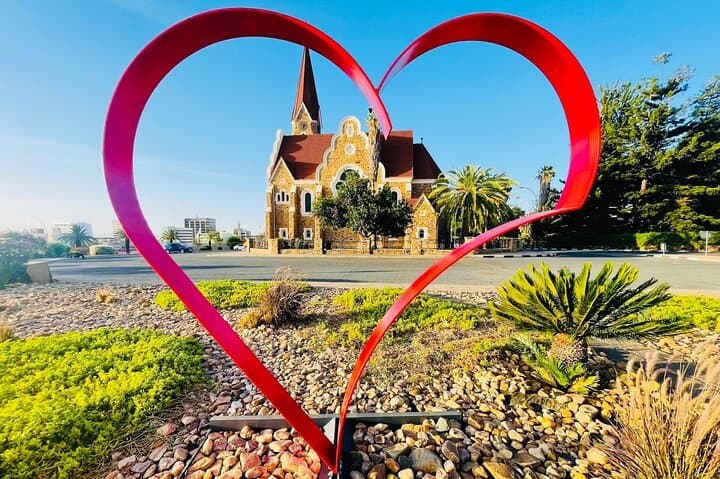
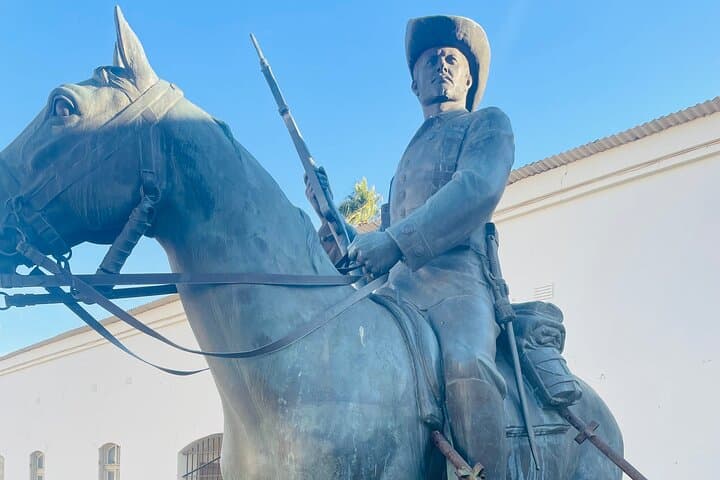
Windhoek’s core bears German colonial marks: the Alte Feste, the 19th‑century railway station and the Tintenpalast (Parliament) point to a contested history. Only a short drive away is Katutura, created under apartheid‑era policy in the late 1950s; its name — “the place where people do not want to live” — tells a story of forced removals and resilience. Penduka, a women’s empowerment project, turns local craft and recycled materials into income and is a practical stop for cultural exchange and shopping.
Geologically, the city perches on rugged granite outcrops that produce rocky viewpoints and scatter unique lichens; the arid wind seems to push you forward, offering bright, clear air for photos. Markets pulse with smells of grilled meat and kapana, and bargaining is part of the rhythm.
Practical guidance: allow 3–4 hours, wear comfortable walking shoes for short on‑foot stops, carry cash for market stalls, and bring sun protection and water. Be respectful photographing people in townships — ask first. The tour mixes easy walking with seated driving, making it accessible for most travelers while delivering a grounded, informed portrait of Windhoek’s past and present.
The tour lasts about 3–4 hours with a mix of short on‑foot visits (10–30 minutes) and driving between sites—pacing is relaxed and suitable for most guests.
Yes, transport is air‑conditioned; pickups are arranged from central hotels or an agreed pickup point in Windhoek—confirm your pickup when booking.
Admission fees for listed sites and a sampling of local food are included, though additional shopping and optional purchases at Penduka are at your own expense.
Guided township visits are generally safe when accompanied by the tour guide; follow local advice, avoid photographing individuals without permission, and keep valuables secure.
Kavana Tours Namibia operates guided outdoor trips and adventures with an emphasis on safety, stewardship, and memorable experiences.
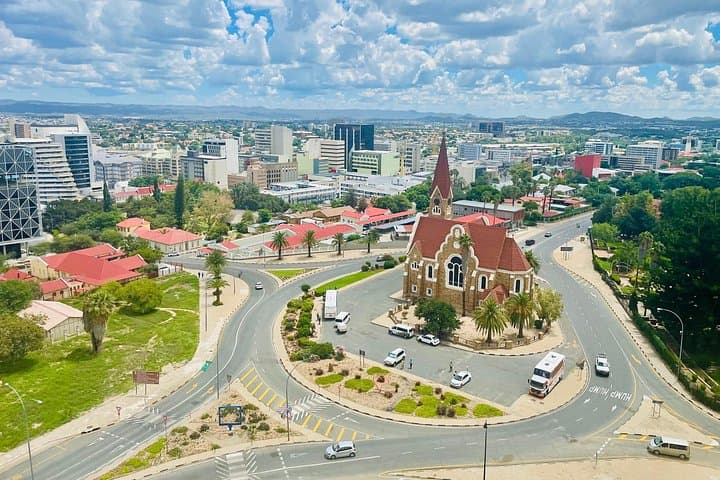

You step out of an air‑conditioned van into Windhoek’s high, dry air; the city sits framed by granite koppies and the steady line of the Auas Mountains to the south. The first stop gives a sweeping urban view — red roofs, modern parliament, and the pale arc of the Goreangab reservoir — while a guide unfolds the city’s layered past.
You step out of an air‑conditioned van into Windhoek’s high, dry air; the city sits framed by granite koppies and the steady line of the Auas Mountains to the south. The first stop gives a sweeping urban view — red roofs, modern parliament, and the pale arc of the Goreangab reservoir — while a guide unfolds the city’s layered past.
Windhoek’s core bears German colonial marks: the Alte Feste, the 19th‑century railway station and the Tintenpalast (Parliament) point to a contested history. Only a short drive away is Katutura, created under apartheid‑era policy in the late 1950s; its name — “the place where people do not want to live” — tells a story of forced removals and resilience. Penduka, a women’s empowerment project, turns local craft and recycled materials into income and is a practical stop for cultural exchange and shopping.
Geologically, the city perches on rugged granite outcrops that produce rocky viewpoints and scatter unique lichens; the arid wind seems to push you forward, offering bright, clear air for photos. Markets pulse with smells of grilled meat and kapana, and bargaining is part of the rhythm.
Practical guidance: allow 3–4 hours, wear comfortable walking shoes for short on‑foot stops, carry cash for market stalls, and bring sun protection and water. Be respectful photographing people in townships — ask first. The tour mixes easy walking with seated driving, making it accessible for most travelers while delivering a grounded, informed portrait of Windhoek’s past and present.