THE ADVENTURE COLLECTIVE® · Independent discovery and booking for outdoor travel

A single, full-day loop from London that pairs Windsor Castle’s royal state rooms with Stonehenge’s prehistoric circle and Oxford’s dreaming spires. Expect guided walks, timed entries, and long coach transfers—plan for a full day of standing, walking, and history.
A single, full-day loop from London that pairs Windsor Castle’s royal state rooms with Stonehenge’s prehistoric circle and Oxford’s dreaming spires. Expect guided walks, timed entries, and long coach transfers—plan for a full day of standing, walking, and history.
Dawn finds the coach easing out of London as the city recedes and the English countryside opens like a long, low breath. By midmorning the silhouette of Windsor Castle rises above clipped lawns and horse chestnuts; later the road bends through chalk downs where Stonehenge’s lintels sit like patient sentinels on the ridge, and in the late afternoon Oxford’s spires throw long, cool shadows across cobbled streets.
Verified experiences and guided adventures in the surrounding area.
Operated by Royal Smart Tourism · Windsor, Berkshire
Dawn finds the coach easing out of London as the city recedes and the English countryside opens like a long, low breath. By midmorning the silhouette of Windsor Castle rises above clipped lawns and horse chestnuts; later the road bends through chalk downs where Stonehenge’s lintels sit like patient sentinels on the ridge, and in the late afternoon Oxford’s spires throw long, cool shadows across cobbled streets.
The route stitches together three chapters of English history: Windsor’s thousand-year royal occupation and Gothic St George’s Chapel; Stonehenge’s 5,000-year stone circle rooted in Neolithic ritual and Bronze Age engineering; and Oxford’s layered university architecture from Saxon to Victorian. Geology matters here—chalk downland shapes the approach to Stonehenge and feeds the Thames valley that helped Windsor grow—while Oxford’s stone is local oolitic limestone that gives the city its warm color.
Expect steady walking, guided commentary, and windows-full of countryside. Guides clarify what’s known—and what remains guesswork—about the monument builders and the royal customs that shaped Windsor.
Practical guidance: this is a long, full-day tour (about 11–12 hours) with multiple short walks and some timed entry requirements. Bring a valid photo ID for castle entry, comfortable shoes for cobbles and uneven grass, weatherproof layers for exposed downs, and a charged phone for photos and e-tickets. If you choose castle or Stonehenge admission options buy them when booking to avoid disappointment. Plan for limited free time at each site and expect coach transfers between stops; pick the early meeting point to make the most of the day.
Some tour options include entrance; confirm and purchase the castle and Stonehenge interior tickets when booking if you want guaranteed access—there is a public option without interior admission.
The tour is about 11–12 hours and departs from central London meeting points—check your booking confirmation for the exact pick-up location and time (typically early morning).
The coach and some parts of the itinerary are wheelchair accessible, but note that Windsor Castle, Stonehenge grounds and Oxford’s streets include uneven surfaces—contact the operator in advance to arrange suitable transport and assistance.
There are scheduled breaks and short free periods in Windsor, Stonehenge visitor centre, and Oxford; bring snacks if you prefer quick options, but there are cafés at the attractions and in Oxford for a fuller meal.
Royal Smart Tourism operates guided outdoor trips and adventures with an emphasis on safety, stewardship, and memorable experiences.
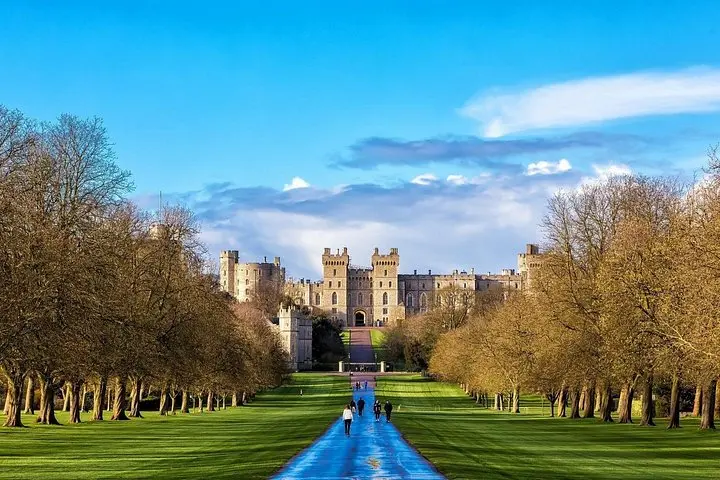
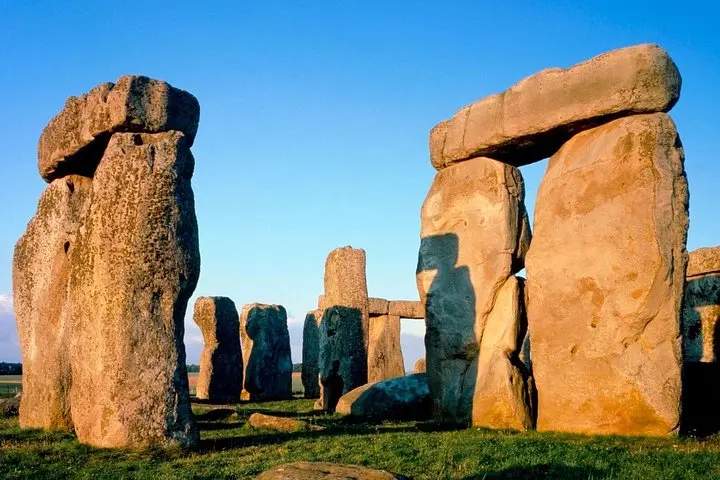
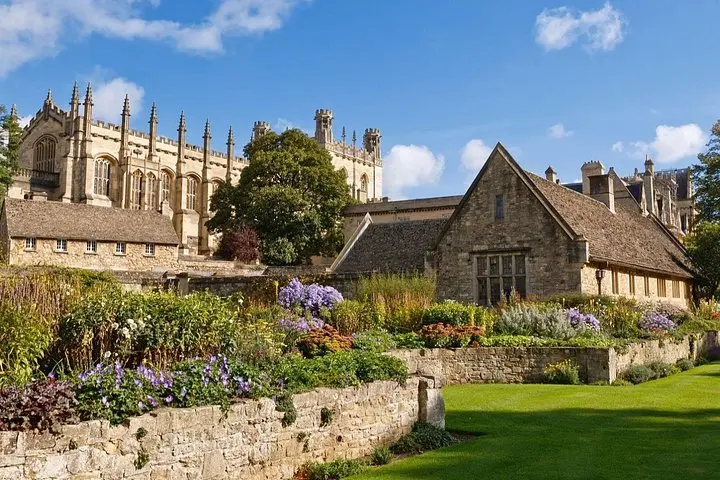
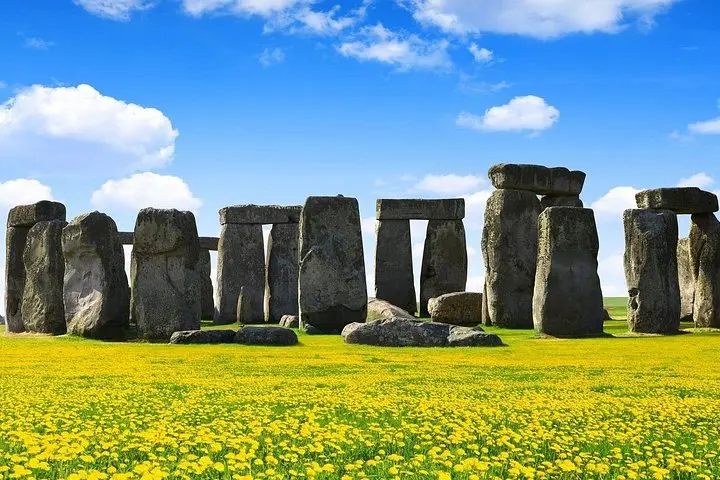
Dawn finds the coach easing out of London as the city recedes and the English countryside opens like a long, low breath. By midmorning the silhouette of Windsor Castle rises above clipped lawns and horse chestnuts; later the road bends through chalk downs where Stonehenge’s lintels sit like patient sentinels on the ridge, and in the late afternoon Oxford’s spires throw long, cool shadows across cobbled streets.
Dawn finds the coach easing out of London as the city recedes and the English countryside opens like a long, low breath. By midmorning the silhouette of Windsor Castle rises above clipped lawns and horse chestnuts; later the road bends through chalk downs where Stonehenge’s lintels sit like patient sentinels on the ridge, and in the late afternoon Oxford’s spires throw long, cool shadows across cobbled streets.
The route stitches together three chapters of English history: Windsor’s thousand-year royal occupation and Gothic St George’s Chapel; Stonehenge’s 5,000-year stone circle rooted in Neolithic ritual and Bronze Age engineering; and Oxford’s layered university architecture from Saxon to Victorian. Geology matters here—chalk downland shapes the approach to Stonehenge and feeds the Thames valley that helped Windsor grow—while Oxford’s stone is local oolitic limestone that gives the city its warm color.
Expect steady walking, guided commentary, and windows-full of countryside. Guides clarify what’s known—and what remains guesswork—about the monument builders and the royal customs that shaped Windsor.
Practical guidance: this is a long, full-day tour (about 11–12 hours) with multiple short walks and some timed entry requirements. Bring a valid photo ID for castle entry, comfortable shoes for cobbles and uneven grass, weatherproof layers for exposed downs, and a charged phone for photos and e-tickets. If you choose castle or Stonehenge admission options buy them when booking to avoid disappointment. Plan for limited free time at each site and expect coach transfers between stops; pick the early meeting point to make the most of the day.