THE ADVENTURE COLLECTIVE® · Independent discovery and booking for outdoor travel

Learn to windsurf on the sheltered sands of Bentota in a focused two-hour lesson. Warm water, gentle winds and instructor-led coaching make this a prime spot for beginners seeking action on Sri Lanka’s southwest coast.
Learn to windsurf on the sheltered sands of Bentota in a focused two-hour lesson. Warm water, gentle winds and instructor-led coaching make this a prime spot for beginners seeking action on Sri Lanka’s southwest coast.
The wind tugs at the sail before the board catches the current — salt spray threads the air and the Bentota shoreline slides by in low, coconut-fringed shapes. A two-hour lesson here begins in flat, warm water near the river mouth where instructors keep the session tight and the learning curve short.
Verified experiences and guided adventures in the surrounding area.
Operated by ZRI Adventures · Bentota, Southern Province
The wind tugs at the sail before the board catches the current — salt spray threads the air and the Bentota shoreline slides by in low, coconut-fringed shapes. A two-hour lesson here begins in flat, warm water near the river mouth where instructors keep the session tight and the learning curve short.
Bentota sits on Sri Lanka’s southwest coast where a broad lagoon meets the Indian Ocean. The shoreline is a product of coastal sand movement and river outflow; centuries ago the area served as a local trading point for cinnamon and other goods during Portuguese and Dutch occupation. Today the coast mixes quiet beach hotels, fishing boats, and water-sport operators who know the tidal rhythms.
Geology favors gentle, sandy shallows rather than abrupt drops, which makes this stretch ideal for first-time windsurfers. Culturally, the town is relaxed — fishermen mend nets while vendors sell king coconut and short eats — so lessons often end with a cooled drink and local chat.
Practically: expect an instructor-led clinic on rigging, stance, uphaul and basic turns, then time on the board in winds typically 8–18 knots during the dry season (December–April). Water temperature hovers near 27–29°C year-round; current and chop increase around high tide and during monsoon shifts. Bring swimwear, reef-safe sunscreen, and a willingness to fall and get back up; instructors provide boards, sails and life jackets. Best times are morning or late afternoon for steady wind and fewer boats.
This session is a concentrated, approachable way to feel wind on the sail and leave with muscle memory and a taste for bigger sails and longer runs.
No — lessons are geared to beginners, covering rigging, balance and basic turns with instructor supervision.
The dry season (roughly December–April) offers steadier trade winds and calmer seas for learning.
Yes — boards, sails, harnesses and safety equipment are supplied by the operator.
Operators commonly ask about spinal, heart conditions and pregnancy; disclose health issues when booking as some conditions are contraindications.
ZRI Adventures operates guided outdoor trips and adventures with an emphasis on safety, stewardship, and memorable experiences.
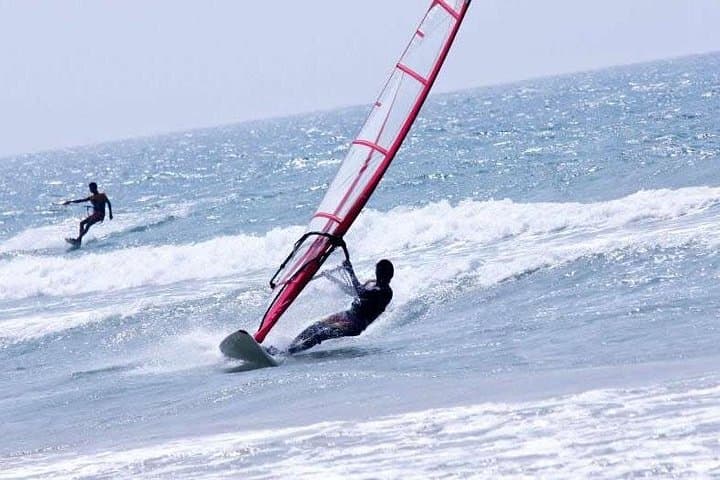
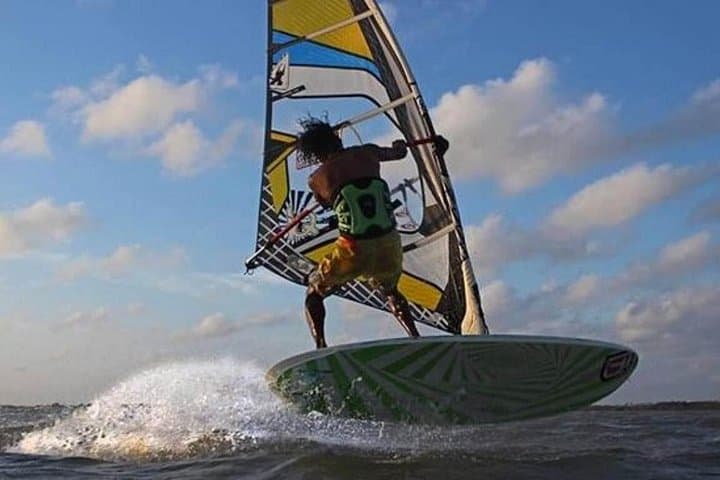
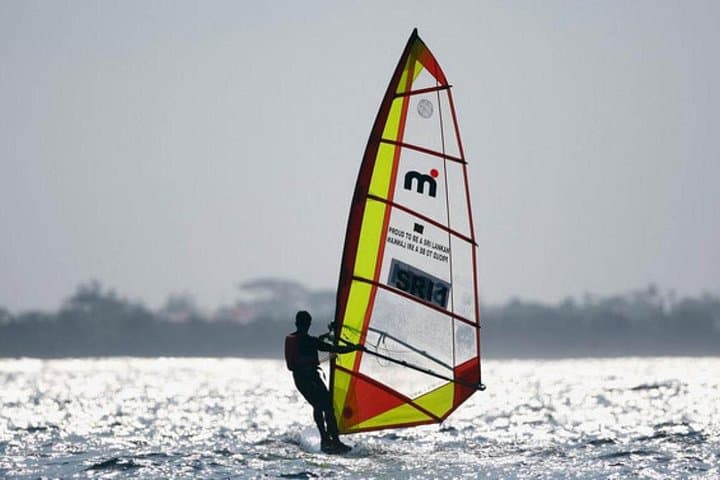
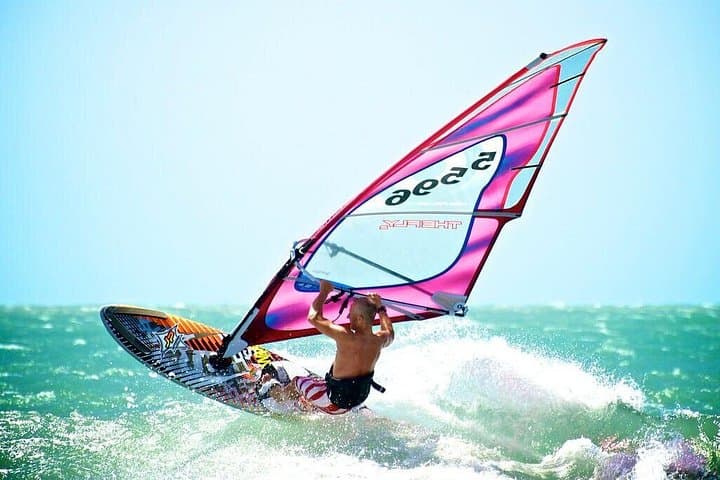
The wind tugs at the sail before the board catches the current — salt spray threads the air and the Bentota shoreline slides by in low, coconut-fringed shapes. A two-hour lesson here begins in flat, warm water near the river mouth where instructors keep the session tight and the learning curve short.
The wind tugs at the sail before the board catches the current — salt spray threads the air and the Bentota shoreline slides by in low, coconut-fringed shapes. A two-hour lesson here begins in flat, warm water near the river mouth where instructors keep the session tight and the learning curve short.
Bentota sits on Sri Lanka’s southwest coast where a broad lagoon meets the Indian Ocean. The shoreline is a product of coastal sand movement and river outflow; centuries ago the area served as a local trading point for cinnamon and other goods during Portuguese and Dutch occupation. Today the coast mixes quiet beach hotels, fishing boats, and water-sport operators who know the tidal rhythms.
Geology favors gentle, sandy shallows rather than abrupt drops, which makes this stretch ideal for first-time windsurfers. Culturally, the town is relaxed — fishermen mend nets while vendors sell king coconut and short eats — so lessons often end with a cooled drink and local chat.
Practically: expect an instructor-led clinic on rigging, stance, uphaul and basic turns, then time on the board in winds typically 8–18 knots during the dry season (December–April). Water temperature hovers near 27–29°C year-round; current and chop increase around high tide and during monsoon shifts. Bring swimwear, reef-safe sunscreen, and a willingness to fall and get back up; instructors provide boards, sails and life jackets. Best times are morning or late afternoon for steady wind and fewer boats.
This session is a concentrated, approachable way to feel wind on the sail and leave with muscle memory and a taste for bigger sails and longer runs.