THE ADVENTURE COLLECTIVE® · Independent discovery and booking for outdoor travel

A single-day sweep of Tasmania’s east coast: from a bakery stop near Hobart to the iconic Wineglass Bay Lookout, Honeymoon Bay and Devil’s Corner Winery. Expect granite headlands, white sand, local seafood and a moderate 1–1.5 hour walk to the lookout.
A single-day sweep of Tasmania’s east coast: from a bakery stop near Hobart to the iconic Wineglass Bay Lookout, Honeymoon Bay and Devil’s Corner Winery. Expect granite headlands, white sand, local seafood and a moderate 1–1.5 hour walk to the lookout.
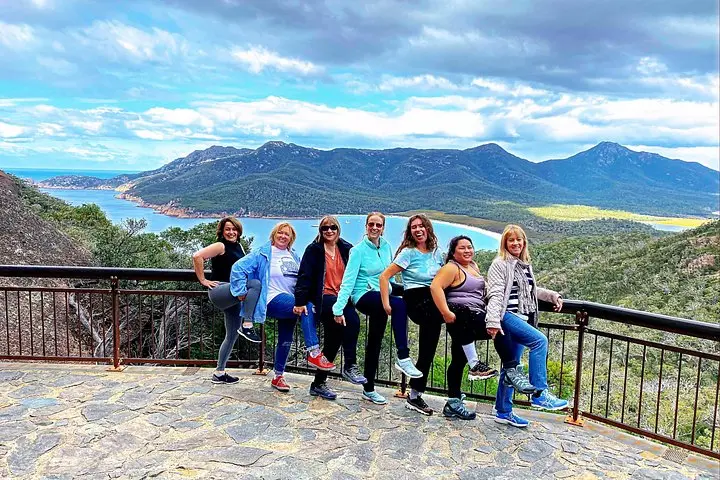
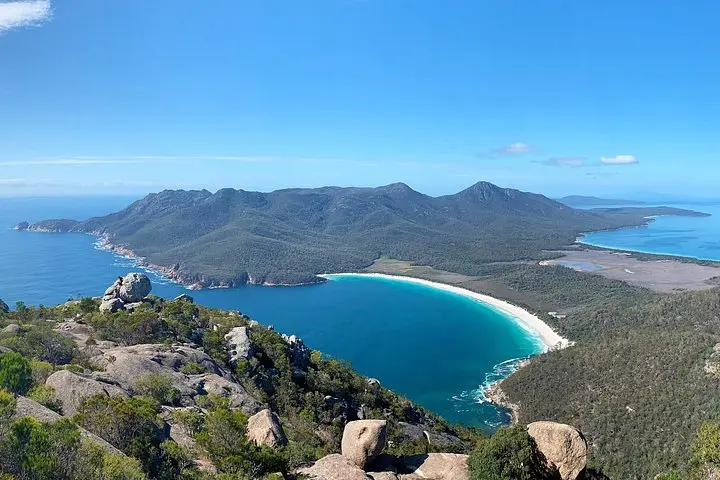
You step off the 13-seat bus just inside the Freycinet National Park boundary and the wind hits like a clean, cold promise. Granite outcrops—the Hazards—rise in rust-colored blocks to your left while the bay unfurls on your right, a perfect crescent of white that seems almost too precise to be natural. The guide points the way; the lookout sits above the sand, a short, punchy climb that rewards you with Wineglass Bay’s famous curve and the sapphire bowl of Great Oyster Bay beyond.
Verified experiences and guided adventures in the surrounding area.
Operated by Wineglass Bay Discovery Tours · Coles Bay, Tasmania
You step off the 13-seat bus just inside the Freycinet National Park boundary and the wind hits like a clean, cold promise. Granite outcrops—the Hazards—rise in rust-colored blocks to your left while the bay unfurls on your right, a perfect crescent of white that seems almost too precise to be natural. The guide points the way; the lookout sits above the sand, a short, punchy climb that rewards you with Wineglass Bay’s famous curve and the sapphire bowl of Great Oyster Bay beyond.
This tour strings together Tasmania’s east coast scenes into a coherent day: a leisurely bakery stop outside Hobart to start, coastal viewpoints at Raspins Beach looking across to Maria Island, the short beach interlude at Honeymoon Bay, the Cape Tourville lighthouse walk and, centrally, the 1–1.5 hour return walk to Wineglass Bay Lookout. The lookout trail climbs roughly 170–220 m over rocky steps and compacted dirt—expect some steady breathing and intermittent stair sections on the ascent and return.
Geology here is blunt and old: the Hazards are Devonian granite, weathered into rounded tors and islands that force the ocean into sheltered bays. That geology shaped local culture too—early settlers and convicts used the bays for shelter and industry, and towns like Swansea and Richmond carry 19th-century buildings and convict-built bridges that anchor the landscape to human stories.
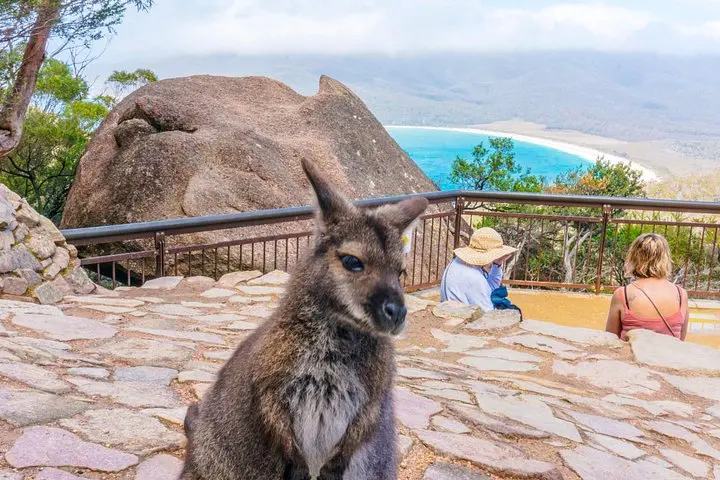
Natural history is visible at a glance. Seabirds wheel over The Nuggets—four granite islets off the coast—while seals often laze on sunlit rocks. In migration seasons, the ocean can push whales past the headlands; on land, wallabies and scrubbirds move through the brooms and eucalypts.
Practicalities matter on a day like this. The tour is a full day: expect about 10–11 hours from Hobart, including hotel pickup. The Wineglass Bay Lookout walk itself is roughly 2–3 km round trip and takes 1–1.5 hours at a moderate pace; the Cape Tourville boardwalk is an easy 20–30 minute loop. Wear sturdy walking shoes with grip—the terrain alternates between compact dirt, wooden steps and exposed rock. Bring a refillable water bottle (1–1.5 L minimum), layered clothing and a windproof shell; weather swings can be sharp even on sunny days.
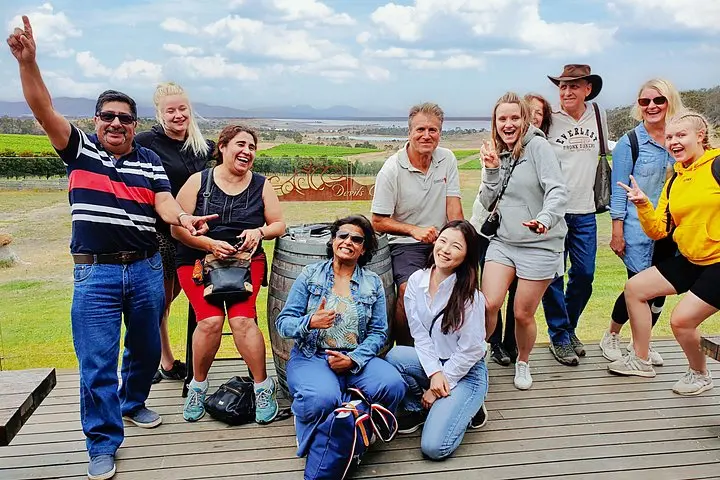
Food stops are thoughtfully placed: a bakery to begin, picnic time at Honeymoon Bay, and a later stop at Devil’s Corner Winery for oysters, pizza and Tasmanian wine overlooking Great Oyster Bay. Note that the tour has a moderate fitness requirement and isn’t recommended for people with significant heart problems. For photographers, aim for the softer light of morning or late afternoon at the lookout; midday is busiest.
Whether you arrive for the view, the geology or the oysters, this day tour packages Tasmania’s east coast into a manageable, well-paced loop—big scenery without the need to plan the logistics yourself.
The lookout walk is about 2–3 km round trip and typically takes 1–1.5 hours depending on pace and stops for photos.
The tour includes stops at a bakery and Devil’s Corner Winery where you can purchase meals; bring snacks if you prefer your own options.
Children aged 8 and over may join but must be accompanied by an adult; the walk includes steps and exposed sections—judge suitability by your child’s fitness and confidence.
Layered clothing, sturdy shoes, a windproof jacket and sun protection are recommended; hot drinks are not permitted on the bus for safety.
Seals are commonly seen on nearby rocks; whales may be spotted seasonally during migration but sightings aren’t guaranteed.
Yes—participants may stay at the bus for those who prefer not to hike, but you’ll miss the lookout view and the primary scenic highlight.
Wineglass Bay Discovery Tours operates guided outdoor trips and adventures with an emphasis on safety, stewardship, and memorable experiences.
You step off the 13-seat bus just inside the Freycinet National Park boundary and the wind hits like a clean, cold promise. Granite outcrops—the Hazards—rise in rust-colored blocks to your left while the bay unfurls on your right, a perfect crescent of white that seems almost too precise to be natural. The guide points the way; the lookout sits above the sand, a short, punchy climb that rewards you with Wineglass Bay’s famous curve and the sapphire bowl of Great Oyster Bay beyond.
You step off the 13-seat bus just inside the Freycinet National Park boundary and the wind hits like a clean, cold promise. Granite outcrops—the Hazards—rise in rust-colored blocks to your left while the bay unfurls on your right, a perfect crescent of white that seems almost too precise to be natural. The guide points the way; the lookout sits above the sand, a short, punchy climb that rewards you with Wineglass Bay’s famous curve and the sapphire bowl of Great Oyster Bay beyond.
This tour strings together Tasmania’s east coast scenes into a coherent day: a leisurely bakery stop outside Hobart to start, coastal viewpoints at Raspins Beach looking across to Maria Island, the short beach interlude at Honeymoon Bay, the Cape Tourville lighthouse walk and, centrally, the 1–1.5 hour return walk to Wineglass Bay Lookout. The lookout trail climbs roughly 170–220 m over rocky steps and compacted dirt—expect some steady breathing and intermittent stair sections on the ascent and return.
Geology here is blunt and old: the Hazards are Devonian granite, weathered into rounded tors and islands that force the ocean into sheltered bays. That geology shaped local culture too—early settlers and convicts used the bays for shelter and industry, and towns like Swansea and Richmond carry 19th-century buildings and convict-built bridges that anchor the landscape to human stories.
Natural history is visible at a glance. Seabirds wheel over The Nuggets—four granite islets off the coast—while seals often laze on sunlit rocks. In migration seasons, the ocean can push whales past the headlands; on land, wallabies and scrubbirds move through the brooms and eucalypts.
Practicalities matter on a day like this. The tour is a full day: expect about 10–11 hours from Hobart, including hotel pickup. The Wineglass Bay Lookout walk itself is roughly 2–3 km round trip and takes 1–1.5 hours at a moderate pace; the Cape Tourville boardwalk is an easy 20–30 minute loop. Wear sturdy walking shoes with grip—the terrain alternates between compact dirt, wooden steps and exposed rock. Bring a refillable water bottle (1–1.5 L minimum), layered clothing and a windproof shell; weather swings can be sharp even on sunny days.
Food stops are thoughtfully placed: a bakery to begin, picnic time at Honeymoon Bay, and a later stop at Devil’s Corner Winery for oysters, pizza and Tasmanian wine overlooking Great Oyster Bay. Note that the tour has a moderate fitness requirement and isn’t recommended for people with significant heart problems. For photographers, aim for the softer light of morning or late afternoon at the lookout; midday is busiest.
Whether you arrive for the view, the geology or the oysters, this day tour packages Tasmania’s east coast into a manageable, well-paced loop—big scenery without the need to plan the logistics yourself.