THE ADVENTURE COLLECTIVE® · Independent discovery and booking for outdoor travel
Get your hands in the soil and taste wines shaped by salt. This two-hour, hands-on vineyard experience in the Venetian Lagoon combines practical vine work with a guided tasting of Dorona and other local wines.
Get your hands in the soil and taste wines shaped by salt. This two-hour, hands-on vineyard experience in the Venetian Lagoon combines practical vine work with a guided tasting of Dorona and other local wines.
A low, briny wind carries the lagoon’s presence across the rows as you step into a vineyard that lives at sea level. Reeds and shallow channels outline plots where vines spread low, their roots meeting salt-laced soil. For two hours you move among the plants: pruning, defoliating or topping depending on the season, then sit on a simple bench and taste three wines produced in the lagoon islands — each glass carrying a saline edge that reflects the place.
Verified experiences and guided adventures in the surrounding area.
Operated by Winetomeetyou · Venice, Veneto
A low, briny wind carries the lagoon’s presence across the rows as you step into a vineyard that lives at sea level. Reeds and shallow channels outline plots where vines spread low, their roots meeting salt-laced soil. For two hours you move among the plants: pruning, defoliating or topping depending on the season, then sit on a simple bench and taste three wines produced in the lagoon islands — each glass carrying a saline edge that reflects the place.
This is agriculture shaped by water. The Venetian Lagoon’s geology is recent alluvium and brackish sediment; its soils are flat, mineral-rich and influenced by tides and wind. Dorona, an old local variety revived by island producers, is notable here — small plantings and careful work keep it rare. Cultural layers run deep: lagoon island viticulture followed fishing and salt production for centuries, and modern island winemakers blend traditional craft with experimentation.
Expect straightforward, tactile learning rather than a polished winery class. Terrain is flat but uneven between rows; work is manual and often stooped. Practical notes: wear closed-toe shoes, sun protection and clothes you don’t mind getting dusty. Public transport via vaporetto or local boats reaches the lagoon islands; meeting points are commonly at a pier.
The experience is compact and sensory — the tang of salt on the breeze, soil under fingernails, and a tasting that explains how place shapes flavor. Ideal for curious travelers who want a hands-on vignette of lagoon viticulture rather than a formal tasting room visit.
Minors are permitted to participate in the vineyard work but will not be served wine; snacks are provided for all ages.
Tasks are practical and short-term — pruning, defoliation or topping — suitable for most people with basic mobility and no heavy lifting.
Meeting is typically at a designated pier or shore point in the Venetian Lagoon; exact directions are provided at booking and vaporetto access is common.
The experience generally proceeds in light rain if safe; cancellation and refund policies depend on the operator’s terms, so check the booking conditions for last-minute changes.
Winetomeetyou operates guided outdoor trips and adventures with an emphasis on safety, stewardship, and memorable experiences.
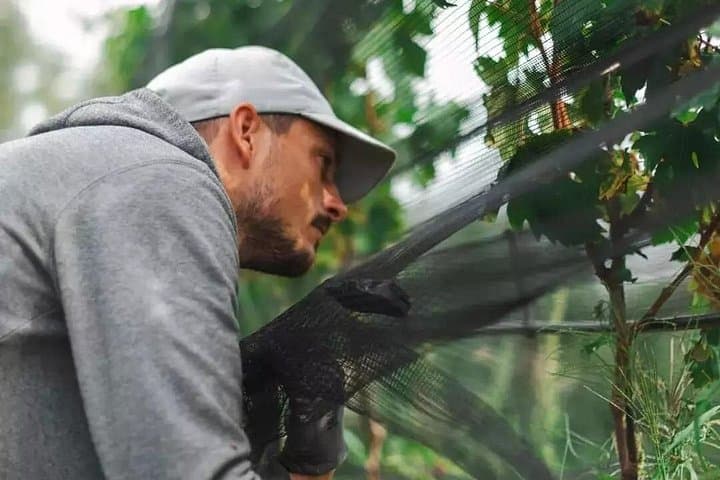
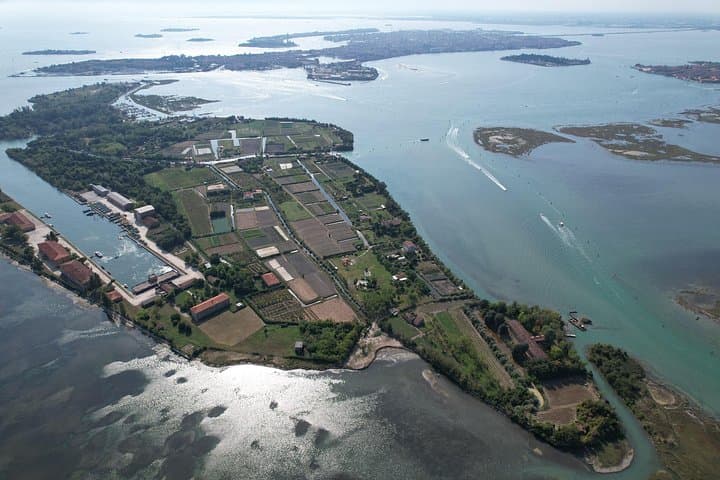
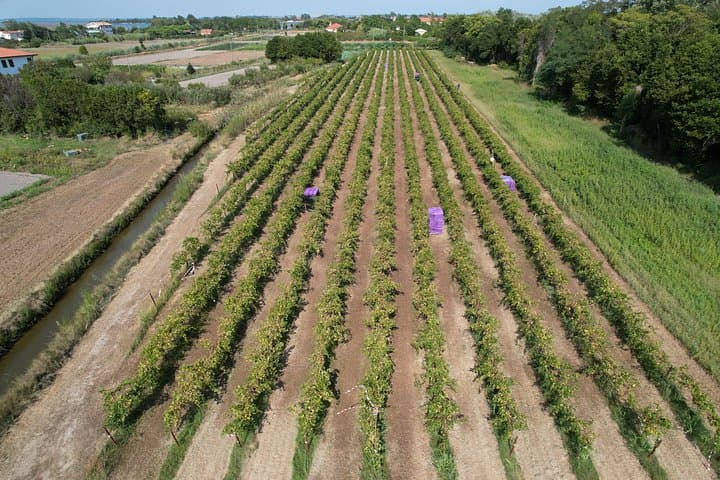
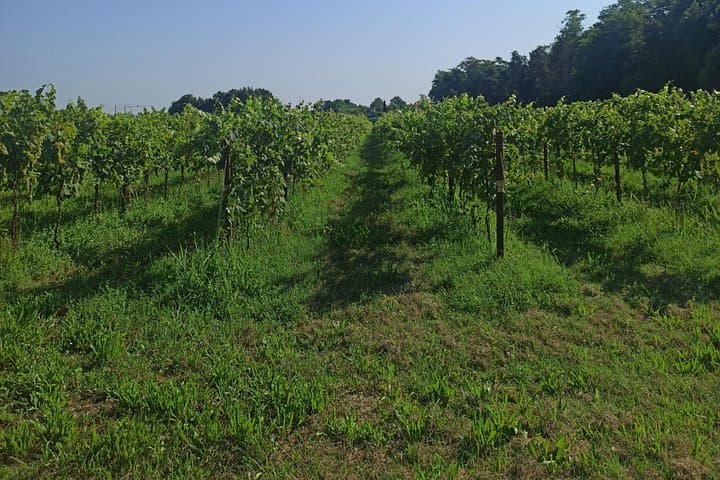
A low, briny wind carries the lagoon’s presence across the rows as you step into a vineyard that lives at sea level. Reeds and shallow channels outline plots where vines spread low, their roots meeting salt-laced soil. For two hours you move among the plants: pruning, defoliating or topping depending on the season, then sit on a simple bench and taste three wines produced in the lagoon islands — each glass carrying a saline edge that reflects the place.
A low, briny wind carries the lagoon’s presence across the rows as you step into a vineyard that lives at sea level. Reeds and shallow channels outline plots where vines spread low, their roots meeting salt-laced soil. For two hours you move among the plants: pruning, defoliating or topping depending on the season, then sit on a simple bench and taste three wines produced in the lagoon islands — each glass carrying a saline edge that reflects the place.
This is agriculture shaped by water. The Venetian Lagoon’s geology is recent alluvium and brackish sediment; its soils are flat, mineral-rich and influenced by tides and wind. Dorona, an old local variety revived by island producers, is notable here — small plantings and careful work keep it rare. Cultural layers run deep: lagoon island viticulture followed fishing and salt production for centuries, and modern island winemakers blend traditional craft with experimentation.
Expect straightforward, tactile learning rather than a polished winery class. Terrain is flat but uneven between rows; work is manual and often stooped. Practical notes: wear closed-toe shoes, sun protection and clothes you don’t mind getting dusty. Public transport via vaporetto or local boats reaches the lagoon islands; meeting points are commonly at a pier.
The experience is compact and sensory — the tang of salt on the breeze, soil under fingernails, and a tasting that explains how place shapes flavor. Ideal for curious travelers who want a hands-on vignette of lagoon viticulture rather than a formal tasting room visit.
