THE ADVENTURE COLLECTIVE® · Independent discovery and booking for outdoor travel

Explore a working Abruzzo estate where Montepulciano d'Abruzzo grapes meet Adriatic breezes. Learn cellar techniques, taste three wines, and leave with a clearer sense of local terroir and tradition.
Explore a working Abruzzo estate where Montepulciano d'Abruzzo grapes meet Adriatic breezes. Learn cellar techniques, taste three wines, and leave with a clearer sense of local terroir and tradition.
You step through a low stone gate and the air tastes faintly of sea salt and crushed grape skins. Rows of vines slope down gentle hills that catch the light from the Adriatic; cellar doors yawn open into cool, dim spaces where barrels breathe. The tour begins with the estate’s story — records back to 1793, a quiet revival in 1999 by a group of local friends — and moves from sun-warmed vineyards into the working heart of the winery.
Verified experiences and guided adventures in the surrounding area.
Operated by Curioseety SRLS · Pescara, Abruzzo
You step through a low stone gate and the air tastes faintly of sea salt and crushed grape skins. Rows of vines slope down gentle hills that catch the light from the Adriatic; cellar doors yawn open into cool, dim spaces where barrels breathe. The tour begins with the estate’s story — records back to 1793, a quiet revival in 1999 by a group of local friends — and moves from sun-warmed vineyards into the working heart of the winery.
Abruzzo’s geology shapes the wine: calcareous clay and pebbly alluvium drained by Apennine runoff give body to Montepulciano d'Abruzzo grapes while maritime breezes keep acidity bright. Culture here mixes rural obstinacy with hospitality — winemakers who still pick by eye and taste. Expect a concise cellar walkthrough explaining fermentation and aging, followed by a guided tasting of three regionally representative wines, each framed with simple local snacks.
Practical guidance: the visit lasts about 90 minutes; wear closed-toe shoes for uneven cellar floors and a light layer for cooler interiors. Tastings are moderate in size — pace yourself and drink water between samples. The estate is accessible to strollers but not recommended for pregnant visitors. Photography is usually welcome but follow the guide in production zones.
Timing tips: late afternoon visits mean softer light in the vines and fewer mid-day crowds. Bring a reusable container for water, and if you plan to buy bottles, ask about shipping options — small estates often offer courier service within Italy. This is a short, intimate encounter with Abruzzo’s wine craft: sensory, straightforward, and rooted in place.
The guided visit and tasting last approximately 90 minutes.
Infants and small children can use strollers, but the experience centers on alcohol and may not engage young children.
Yes—most estates sell bottles on site; ask about payment and shipping options if you need a larger shipment.
This experience is not recommended for pregnant visitors due to alcohol tasting.
Curioseety SRLS operates guided outdoor trips and adventures with an emphasis on safety, stewardship, and memorable experiences.

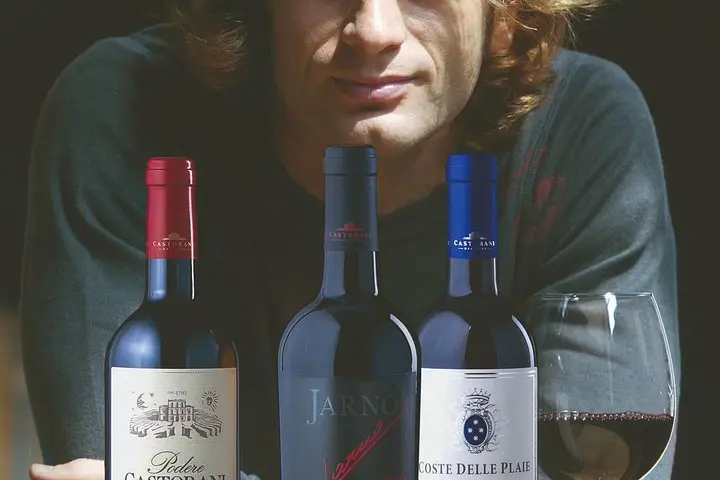
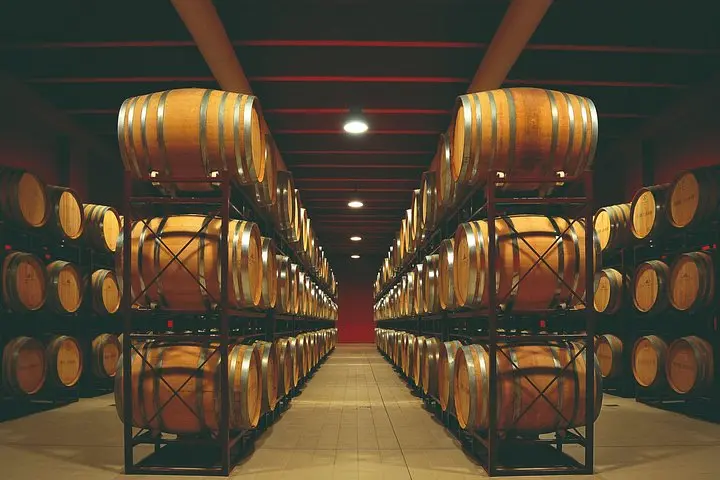
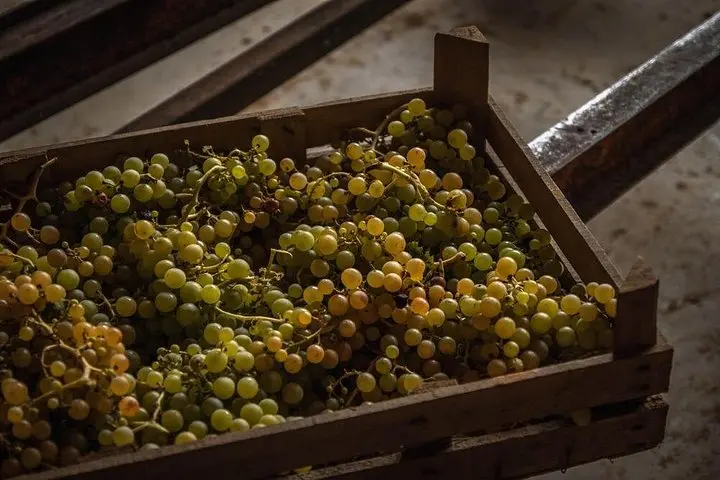
You step through a low stone gate and the air tastes faintly of sea salt and crushed grape skins. Rows of vines slope down gentle hills that catch the light from the Adriatic; cellar doors yawn open into cool, dim spaces where barrels breathe. The tour begins with the estate’s story — records back to 1793, a quiet revival in 1999 by a group of local friends — and moves from sun-warmed vineyards into the working heart of the winery.
You step through a low stone gate and the air tastes faintly of sea salt and crushed grape skins. Rows of vines slope down gentle hills that catch the light from the Adriatic; cellar doors yawn open into cool, dim spaces where barrels breathe. The tour begins with the estate’s story — records back to 1793, a quiet revival in 1999 by a group of local friends — and moves from sun-warmed vineyards into the working heart of the winery.
Abruzzo’s geology shapes the wine: calcareous clay and pebbly alluvium drained by Apennine runoff give body to Montepulciano d'Abruzzo grapes while maritime breezes keep acidity bright. Culture here mixes rural obstinacy with hospitality — winemakers who still pick by eye and taste. Expect a concise cellar walkthrough explaining fermentation and aging, followed by a guided tasting of three regionally representative wines, each framed with simple local snacks.
Practical guidance: the visit lasts about 90 minutes; wear closed-toe shoes for uneven cellar floors and a light layer for cooler interiors. Tastings are moderate in size — pace yourself and drink water between samples. The estate is accessible to strollers but not recommended for pregnant visitors. Photography is usually welcome but follow the guide in production zones.
Timing tips: late afternoon visits mean softer light in the vines and fewer mid-day crowds. Bring a reusable container for water, and if you plan to buy bottles, ask about shipping options — small estates often offer courier service within Italy. This is a short, intimate encounter with Abruzzo’s wine craft: sensory, straightforward, and rooted in place.