THE ADVENTURE COLLECTIVE® · Independent discovery and booking for outdoor travel

Explore Wingfield’s rainforest trails and finish with a hands-on stop at Caribelle Batik. This half-day combo pairs easy rainforest hiking with a cultural look at St Kitts’ artisanal textiles.
Explore Wingfield’s rainforest trails and finish with a hands-on stop at Caribelle Batik. This half-day combo pairs easy rainforest hiking with a cultural look at St Kitts’ artisanal textiles.
You step off the shaded trail and into a humidity-warmed hush: palms brush the sky, a thin creek dares you to follow it, and the island’s volcanic spine rises in veiled layers beyond the canopy.
Verified experiences and guided adventures in the surrounding area.
Operated by Welcome To Saint Kitts · Basseterre, Saint Kitts
You step off the shaded trail and into a humidity-warmed hush: palms brush the sky, a thin creek dares you to follow it, and the island’s volcanic spine rises in veiled layers beyond the canopy.
The Wingfield area sits on the remnant slopes of St Kitts’ central range, where old sugar estates gave way to pockets of secondary rainforest. Romney Manor and the Caribelle Batik studio occupy what was once plantation land; the batik tradition here transforms Caribbean motifs into hand-dyed cloth, linking craft to the island’s colonial and agricultural past.
Geology is easy to read: volcanic ridges, fractured basalt, and quick-draining soils that feed small waterfalls and ephemeral streams. Cultural notes are just as tactile — the manor’s landscaping reflects estate-era design while batik artisans display techniques imported and adapted over generations.
On the trail expect easy to moderate footing—packed earth, exposed roots, occasional stone steps—through shaded lanes that open to broad views and historic ruins. Wildlife can appear suddenly: a vervet monkey watching from a branch, or a bananaquit flitting toward a flowering shrub.
Practically: the combined itinerary runs about three hours, often including round-trip transport and a guided batik demonstration. Wear grippy shoes and light rain gear; mosquitoes show early and late. Hydrate before and during the hike; bottled water is typically provided. Aim for morning starts to avoid midday heat and to catch bird activity. Respect narrow trails, leave no trace at heritage sites, and bring a small cash amount if you want batik souvenirs — the patterns often tell as much of the island’s story as the stone walls do.
The full experience runs about three hours, typically including guided rainforest time and a stop at Caribelle Batik.
Yes—it's rated easy with short uphill sections; anyone with limited mobility should check specifics before booking.
Tours usually include bottled water and sometimes soft drinks; confirm whether snacks or meals are provided when booking.
Yes, Caribelle Batik operates a retail area where you can purchase fabrics and finished items; bring cash for smaller purchases.
Welcome To Saint Kitts operates guided outdoor trips and adventures with an emphasis on safety, stewardship, and memorable experiences.
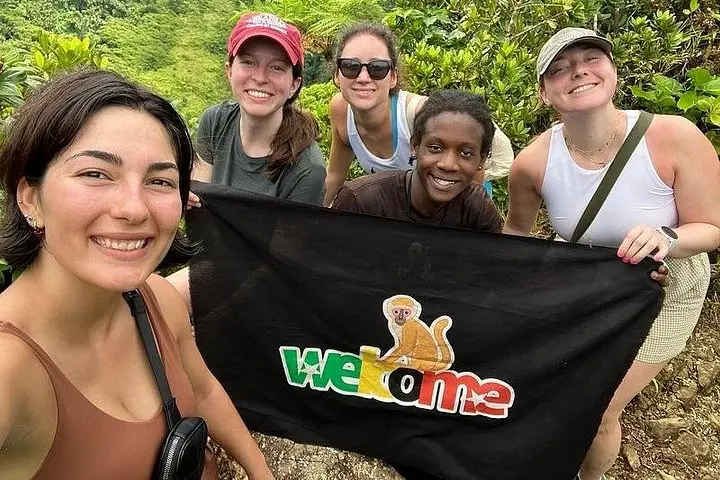
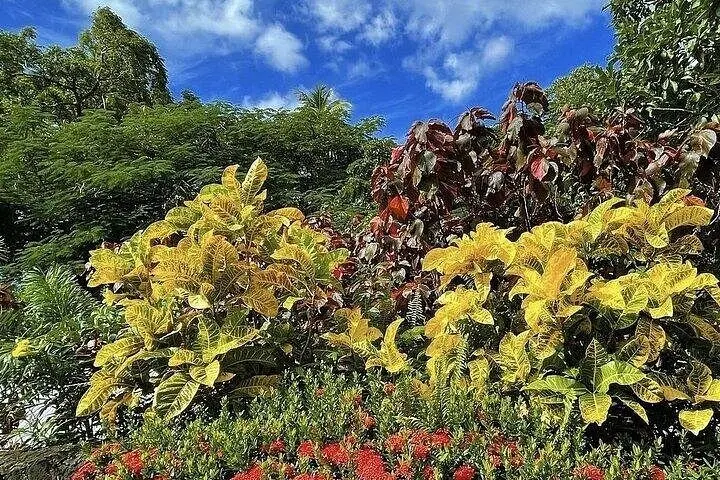

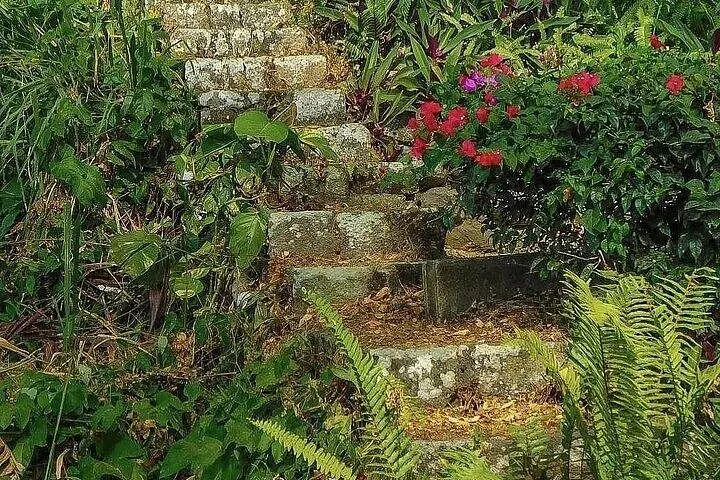
You step off the shaded trail and into a humidity-warmed hush: palms brush the sky, a thin creek dares you to follow it, and the island’s volcanic spine rises in veiled layers beyond the canopy.
You step off the shaded trail and into a humidity-warmed hush: palms brush the sky, a thin creek dares you to follow it, and the island’s volcanic spine rises in veiled layers beyond the canopy.
The Wingfield area sits on the remnant slopes of St Kitts’ central range, where old sugar estates gave way to pockets of secondary rainforest. Romney Manor and the Caribelle Batik studio occupy what was once plantation land; the batik tradition here transforms Caribbean motifs into hand-dyed cloth, linking craft to the island’s colonial and agricultural past.
Geology is easy to read: volcanic ridges, fractured basalt, and quick-draining soils that feed small waterfalls and ephemeral streams. Cultural notes are just as tactile — the manor’s landscaping reflects estate-era design while batik artisans display techniques imported and adapted over generations.
On the trail expect easy to moderate footing—packed earth, exposed roots, occasional stone steps—through shaded lanes that open to broad views and historic ruins. Wildlife can appear suddenly: a vervet monkey watching from a branch, or a bananaquit flitting toward a flowering shrub.
Practically: the combined itinerary runs about three hours, often including round-trip transport and a guided batik demonstration. Wear grippy shoes and light rain gear; mosquitoes show early and late. Hydrate before and during the hike; bottled water is typically provided. Aim for morning starts to avoid midday heat and to catch bird activity. Respect narrow trails, leave no trace at heritage sites, and bring a small cash amount if you want batik souvenirs — the patterns often tell as much of the island’s story as the stone walls do.