THE ADVENTURE COLLECTIVE® · Independent discovery and booking for outdoor travel

Glide through Belize’s largest wetland where Jabiru Storks patrol the shallows and guides read the lagoon like a map. This morning boat tour from Crooked Tree Village focuses on close-up birding and shoreline wildlife in an Audubon-co-managed sanctuary.
Glide through Belize’s largest wetland where Jabiru Storks patrol the shallows and guides read the lagoon like a map. This morning boat tour from Crooked Tree Village focuses on close-up birding and shoreline wildlife in an Audubon-co-managed sanctuary.
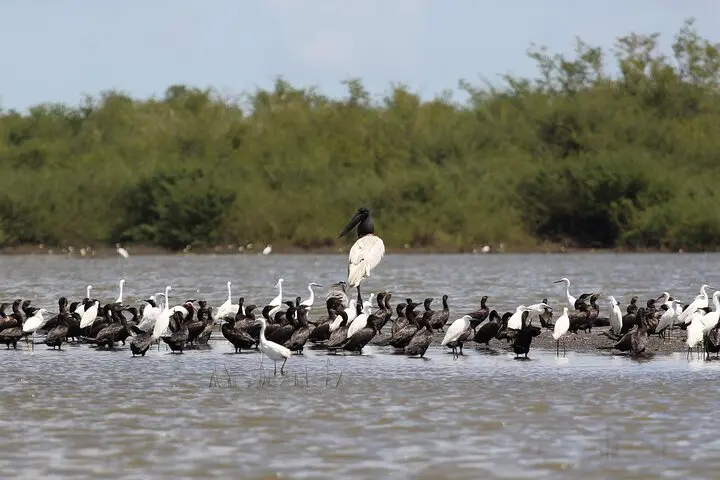
Dawn breaks low over Crooked Tree Lagoon and the water steels itself into a mirror. Motorboat wakes whisper as a guide points—herons erupt in slow-motion, egrets thread white lines through mangrove corridors, and the rare Jabiru Stork stands like a quiet landmark above knee-deep reeds.
Verified experiences and guided adventures in the surrounding area.
Operated by A Plus Adventures Belize · Crooked Tree Village, Belize District
Dawn breaks low over Crooked Tree Lagoon and the water steels itself into a mirror. Motorboat wakes whisper as a guide points—herons erupt in slow-motion, egrets thread white lines through mangrove corridors, and the rare Jabiru Stork stands like a quiet landmark above knee-deep reeds.
The lagoon is Belize’s largest wetland, a shallow basin carved into the northern coastal plain where seasonal rains swell channels and reveal mudflats. The Audubon Society helps co-manage this living classroom; local guides read the habitat like a map, knowing where nesting Jabirus loaf, where howler monkeys call from gallery forests, and where elusive manatees graze near freshwater inlets.
Crooked Tree Village brings the human element: small-scale fishing, local boatmen, and a relaxed pace that predates tourism. Geology here is subtle—carbonate flats giving way to tannin-dark water and patches of submerged grasses that feed whole food webs.
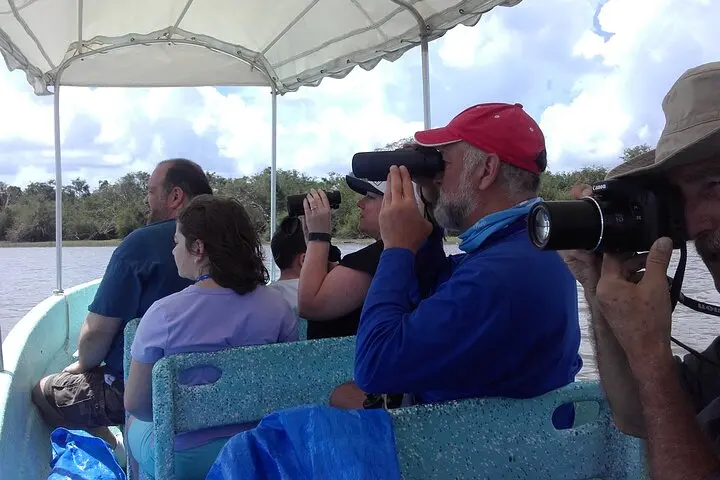
Practical edge: the tour runs by boat from the village and typically lasts about 4–5 hours. Expect slow cruising, frequent stops, and close-looking rather than hiking. Bring binoculars, a telephoto lens or a camera with a good zoom, sun protection, and insect repellent. Rain is common in the wet season; a lightweight rain shell and a dry bag keep gear safe. Early morning trips offer the best light and the greatest bird activity; guides will position the boat for quiet observation and photography.
This is birding by water—patient, sensory, and surprisingly intimate. The lagoon invites you to move with it, watching birds and wildlife decide the next moment to take wing.
Yes—tours typically include pickup and drop-off in an air-conditioned vehicle from central Belize City or arranged meeting points.
Yes; infants can ride in strollers and must sit on laps. The tour is family-friendly but not recommended for pregnant travelers or people with serious spinal/heart conditions.
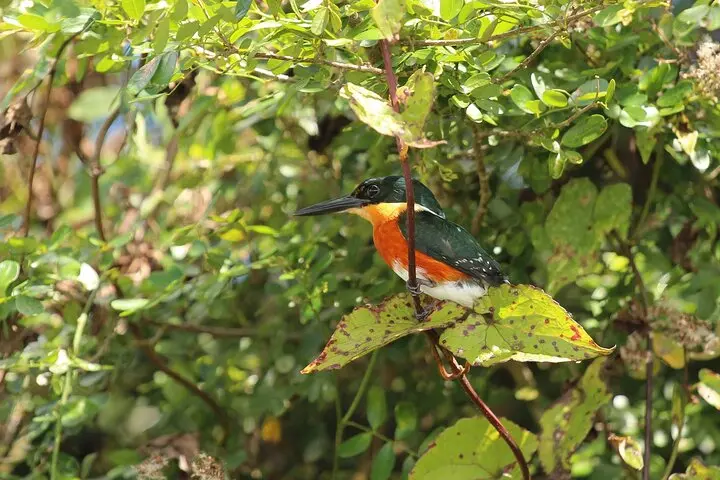
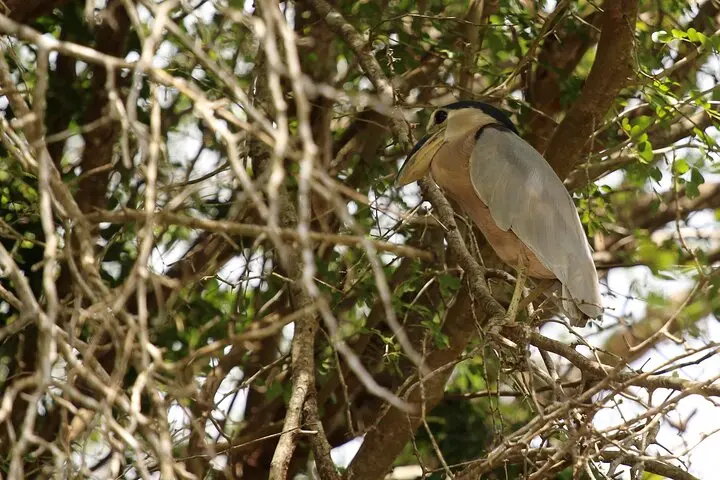
Common sightings include herons, egrets, kingfishers, Jabiru Stork, green iguanas, howler monkeys, and occasionally manatees and freshwater crocodiles on good days.
Early morning offers the highest bird activity and best light for photography; trips often depart at or shortly after sunrise.
A Plus Adventures Belize operates guided outdoor trips and adventures with an emphasis on safety, stewardship, and memorable experiences.
Dawn breaks low over Crooked Tree Lagoon and the water steels itself into a mirror. Motorboat wakes whisper as a guide points—herons erupt in slow-motion, egrets thread white lines through mangrove corridors, and the rare Jabiru Stork stands like a quiet landmark above knee-deep reeds.
Dawn breaks low over Crooked Tree Lagoon and the water steels itself into a mirror. Motorboat wakes whisper as a guide points—herons erupt in slow-motion, egrets thread white lines through mangrove corridors, and the rare Jabiru Stork stands like a quiet landmark above knee-deep reeds.
The lagoon is Belize’s largest wetland, a shallow basin carved into the northern coastal plain where seasonal rains swell channels and reveal mudflats. The Audubon Society helps co-manage this living classroom; local guides read the habitat like a map, knowing where nesting Jabirus loaf, where howler monkeys call from gallery forests, and where elusive manatees graze near freshwater inlets.
Crooked Tree Village brings the human element: small-scale fishing, local boatmen, and a relaxed pace that predates tourism. Geology here is subtle—carbonate flats giving way to tannin-dark water and patches of submerged grasses that feed whole food webs.
Practical edge: the tour runs by boat from the village and typically lasts about 4–5 hours. Expect slow cruising, frequent stops, and close-looking rather than hiking. Bring binoculars, a telephoto lens or a camera with a good zoom, sun protection, and insect repellent. Rain is common in the wet season; a lightweight rain shell and a dry bag keep gear safe. Early morning trips offer the best light and the greatest bird activity; guides will position the boat for quiet observation and photography.
This is birding by water—patient, sensory, and surprisingly intimate. The lagoon invites you to move with it, watching birds and wildlife decide the next moment to take wing.