THE ADVENTURE COLLECTIVE® · Independent discovery and booking for outdoor travel

Spend 90 minutes inside a warm seaside lodge sampling 12 Maine oysters—four from each of three farms—paired with two wines and house-made focaccia. The session mixes tasting notes with practical lessons on oyster cultivation and coastal ecology.
Spend 90 minutes inside a warm seaside lodge sampling 12 Maine oysters—four from each of three farms—paired with two wines and house-made focaccia. The session mixes tasting notes with practical lessons on oyster cultivation and coastal ecology.
Outside, the Atlantic presses cold air against the windows; inside, the lodge holds the warmth of roasted bread and the salt-slick brightness of freshly shucked oysters. You take a seat at a long wooden table, a small paper tasting journal at your place, and three sets of four oysters arrive—each from a different Maine estuary—paired with two carefully chosen wines and house-made focaccia.
Verified experiences and guided adventures in the surrounding area.
Operated by Lady Oyster Tours · Phippsburg, Maine
Outside, the Atlantic presses cold air against the windows; inside, the lodge holds the warmth of roasted bread and the salt-slick brightness of freshly shucked oysters. You take a seat at a long wooden table, a small paper tasting journal at your place, and three sets of four oysters arrive—each from a different Maine estuary—paired with two carefully chosen wines and house-made focaccia.
Maine’s coastline is a living classroom: glacially scoured bedrock, shallow coves, and tidal flats shape how oysters fatten and develop merroir—the marine equivalent of terroir. Phippsburg and neighboring towns have fished and farmed shellfish for centuries; Fort Popham’s Civil War stonework is a reminder that these shores have long been strategic, economic and cultural crossroads.
The tasting leans educational. Hosts trained through the Oyster Master Guild explain cultivation methods, seasonal flavor shifts, and coastal stewardship while telling local harvest stories. The conversation moves between flavor notes—briny, cucumber, mineral—and ecological topics like water quality and forage grounds.
Practical notes: sessions run about 90 minutes, are wheelchair accessible, and are best enjoyed as a small-group experience (max ~14). Avoid if you have a shellfish allergy or immune compromise. Dress warmly in winter; coats stay handy when stepping outside to watch waves or visit the nearby shore between pours.
Timing matters: come with a light appetite, bring ID for wine service, and reserve at least 24 hours ahead if your plans might change. Expect generous pours, attentive storytelling, and a tasting that feels part culinary demonstration, part coastal field lesson.
Yes—this lodge notes full wheelchair accessibility for indoor areas and accessible parking nearby.
Infants in strollers are permitted, but wine pairings are for guests of legal drinking age; consider the experience’s focus on alcohol and shellfish.
Not recommended—this experience works closely with live shellfish and cross-contamination is likely; please avoid booking if allergic or immune-compromised.
Policies vary by host; ask during the tasting—many small lodges sell local products or can point you to nearby seafood markets and bodegas.
Lady Oyster Tours operates guided outdoor trips and adventures with an emphasis on safety, stewardship, and memorable experiences.
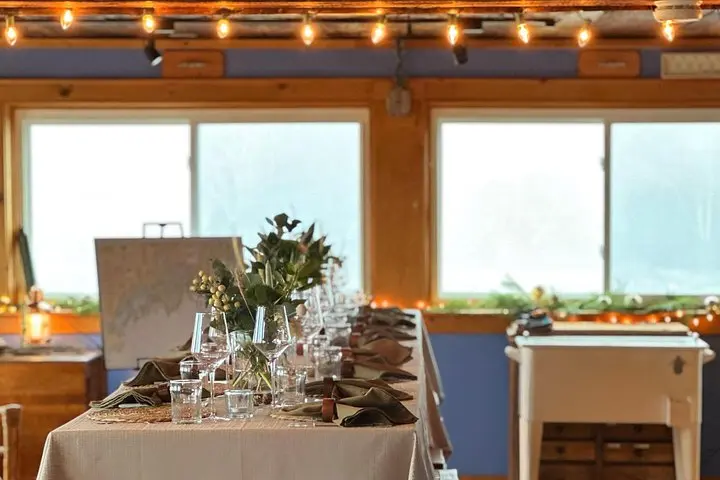
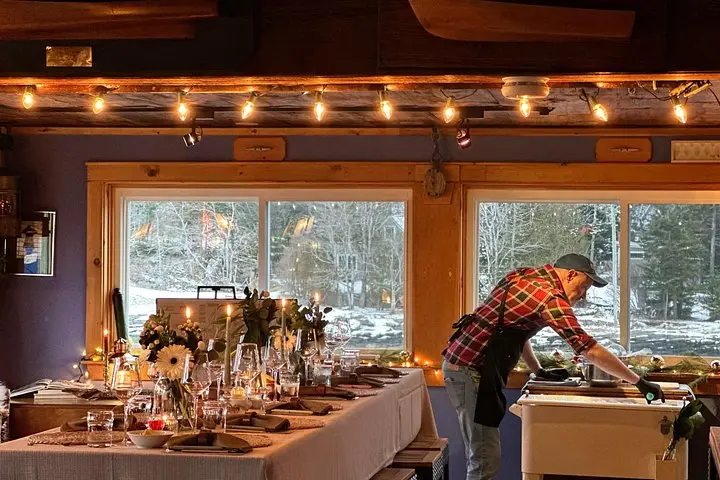
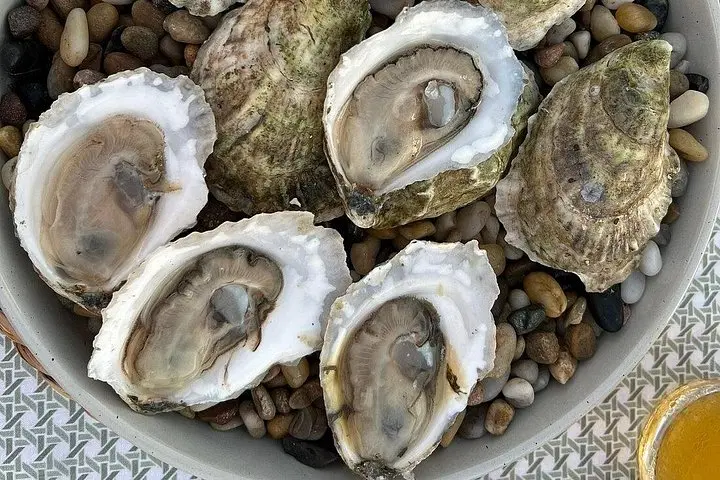
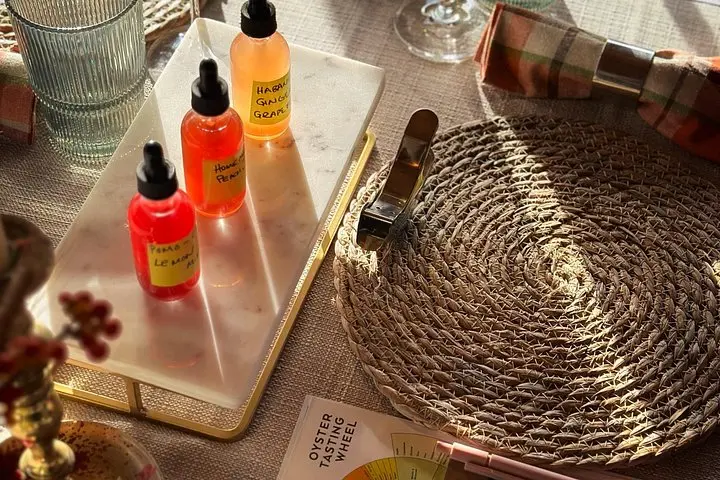
Outside, the Atlantic presses cold air against the windows; inside, the lodge holds the warmth of roasted bread and the salt-slick brightness of freshly shucked oysters. You take a seat at a long wooden table, a small paper tasting journal at your place, and three sets of four oysters arrive—each from a different Maine estuary—paired with two carefully chosen wines and house-made focaccia.
Outside, the Atlantic presses cold air against the windows; inside, the lodge holds the warmth of roasted bread and the salt-slick brightness of freshly shucked oysters. You take a seat at a long wooden table, a small paper tasting journal at your place, and three sets of four oysters arrive—each from a different Maine estuary—paired with two carefully chosen wines and house-made focaccia.
Maine’s coastline is a living classroom: glacially scoured bedrock, shallow coves, and tidal flats shape how oysters fatten and develop merroir—the marine equivalent of terroir. Phippsburg and neighboring towns have fished and farmed shellfish for centuries; Fort Popham’s Civil War stonework is a reminder that these shores have long been strategic, economic and cultural crossroads.
The tasting leans educational. Hosts trained through the Oyster Master Guild explain cultivation methods, seasonal flavor shifts, and coastal stewardship while telling local harvest stories. The conversation moves between flavor notes—briny, cucumber, mineral—and ecological topics like water quality and forage grounds.
Practical notes: sessions run about 90 minutes, are wheelchair accessible, and are best enjoyed as a small-group experience (max ~14). Avoid if you have a shellfish allergy or immune compromise. Dress warmly in winter; coats stay handy when stepping outside to watch waves or visit the nearby shore between pours.
Timing matters: come with a light appetite, bring ID for wine service, and reserve at least 24 hours ahead if your plans might change. Expect generous pours, attentive storytelling, and a tasting that feels part culinary demonstration, part coastal field lesson.