THE ADVENTURE COLLECTIVE® · Independent discovery and booking for outdoor travel

Walk across frozen lakes under the shadow of Shiretoko’s volcanic ridge and scan the Sea of Okhotsk for drift ice on this 4.5‑hour guided snowshoe. Limited winter access and small groups make this a quiet, wildlife‑rich introduction to Hokkaido’s wild northeast.
Walk across frozen lakes under the shadow of Shiretoko’s volcanic ridge and scan the Sea of Okhotsk for drift ice on this 4.5‑hour guided snowshoe. Limited winter access and small groups make this a quiet, wildlife‑rich introduction to Hokkaido’s wild northeast.
A hush settles over the boardwalk as the group steps out onto the frozen fringe of Shiretoko Goko. Snow compresses under snowshoes, trees breathe powder-white, and the mountain ridgeline across the valley gleams like a carved spine. On clear days the Sea of Okhotsk beyond the lakes holds drifting slabs of ice that edge the horizon and dare you to look farther.
Verified experiences and guided adventures in the surrounding area.
Operated by Picchio Shiretoko · Utoro, Hokkaido
A hush settles over the boardwalk as the group steps out onto the frozen fringe of Shiretoko Goko. Snow compresses under snowshoes, trees breathe powder-white, and the mountain ridgeline across the valley gleams like a carved spine. On clear days the Sea of Okhotsk beyond the lakes holds drifting slabs of ice that edge the horizon and dare you to look farther.
The Five Lakes sit on the lower slopes of the volcanic backbone of Shiretoko Peninsula, an area made UNESCO World Natural Heritage in 2005 for its intact coastal-mountain ecosystems. The lakes themselves lie in shallow volcanic basins and are framed by old-growth stands and peat soils that preserve tracks of foxes, sika deer and brown bears. In winter access is restricted: only small guided groups are allowed to walk on the frozen lake surface to protect melt-season wetlands and wildlife.
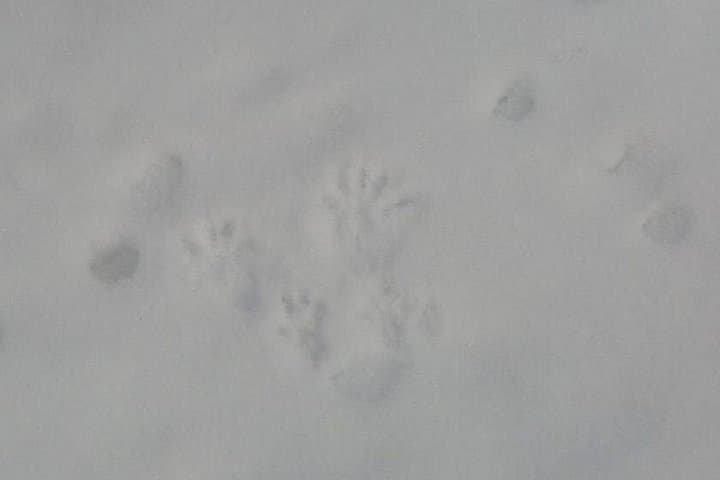
Expect a steady, deliberate walk rather than a scramble—packed snow, occasional drifts, and short coastal stretches with sweeping visibility. Guides interpret animal tracks and point out geology—lava flows and glacial scouring—that shaped the basin.
Practical notes: dress in warm, layered waterproof clothing; bring insulated boots and gaiters (loaners often available); carry water and a windproof shell; and allow 4–5 hours including briefing and short coastal viewing. The route is best in midwinter when the ice is stable; cancellations are possible for extreme weather. Respect guide instructions, keep distance from wildlife, and plan extra time for travel from Utoro or nearby towns.
This snowshoe experience runs only in midwinter, when lake surfaces are frozen and guides are permitted to walk on them; exact dates depend on ice and weather conditions.
Many operators lend snowshoes, rubber boots, waterproof gloves and ski wear—request sizes when you book to ensure availability.
Yes—animal tracks are common and you may spot deer, foxes and sea birds; brown bear sightings are rare in winter but possible from a safe distance with a guide present.
The activity requires moderate fitness and travel providers typically advise against participation for pregnant travelers and those with serious back or heart conditions.
Picchio Shiretoko operates guided outdoor trips and adventures with an emphasis on safety, stewardship, and memorable experiences.
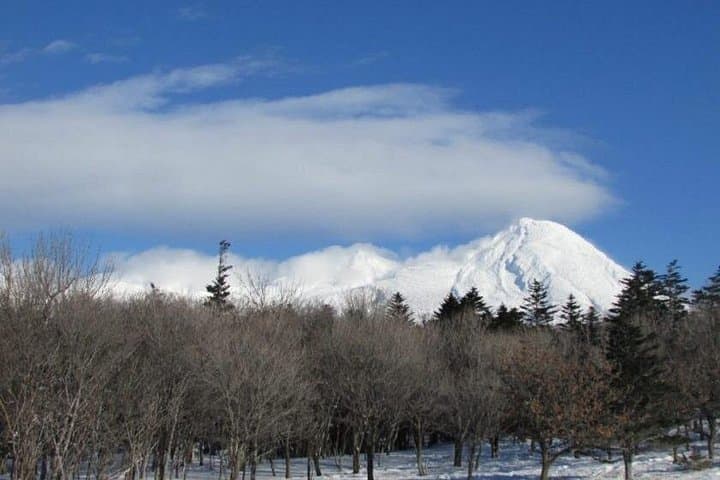
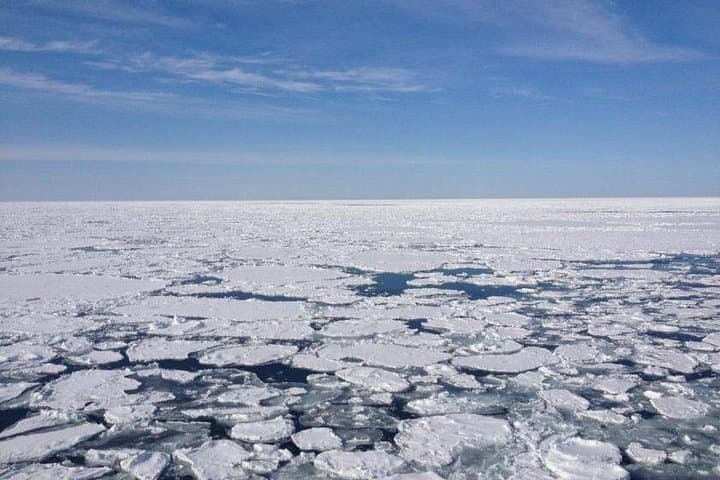

A hush settles over the boardwalk as the group steps out onto the frozen fringe of Shiretoko Goko. Snow compresses under snowshoes, trees breathe powder-white, and the mountain ridgeline across the valley gleams like a carved spine. On clear days the Sea of Okhotsk beyond the lakes holds drifting slabs of ice that edge the horizon and dare you to look farther.
A hush settles over the boardwalk as the group steps out onto the frozen fringe of Shiretoko Goko. Snow compresses under snowshoes, trees breathe powder-white, and the mountain ridgeline across the valley gleams like a carved spine. On clear days the Sea of Okhotsk beyond the lakes holds drifting slabs of ice that edge the horizon and dare you to look farther.
The Five Lakes sit on the lower slopes of the volcanic backbone of Shiretoko Peninsula, an area made UNESCO World Natural Heritage in 2005 for its intact coastal-mountain ecosystems. The lakes themselves lie in shallow volcanic basins and are framed by old-growth stands and peat soils that preserve tracks of foxes, sika deer and brown bears. In winter access is restricted: only small guided groups are allowed to walk on the frozen lake surface to protect melt-season wetlands and wildlife.
Expect a steady, deliberate walk rather than a scramble—packed snow, occasional drifts, and short coastal stretches with sweeping visibility. Guides interpret animal tracks and point out geology—lava flows and glacial scouring—that shaped the basin.
Practical notes: dress in warm, layered waterproof clothing; bring insulated boots and gaiters (loaners often available); carry water and a windproof shell; and allow 4–5 hours including briefing and short coastal viewing. The route is best in midwinter when the ice is stable; cancellations are possible for extreme weather. Respect guide instructions, keep distance from wildlife, and plan extra time for travel from Utoro or nearby towns.