THE ADVENTURE COLLECTIVE® · Independent discovery and booking for outdoor travel

A compact winter trek that links Imlil to Mount Toubkal via waterfalls and high passes. Expect long days, steep snow slopes and refuge nights on this demanding 3-day route.
A compact winter trek that links Imlil to Mount Toubkal via waterfalls and high passes. Expect long days, steep snow slopes and refuge nights on this demanding 3-day route.
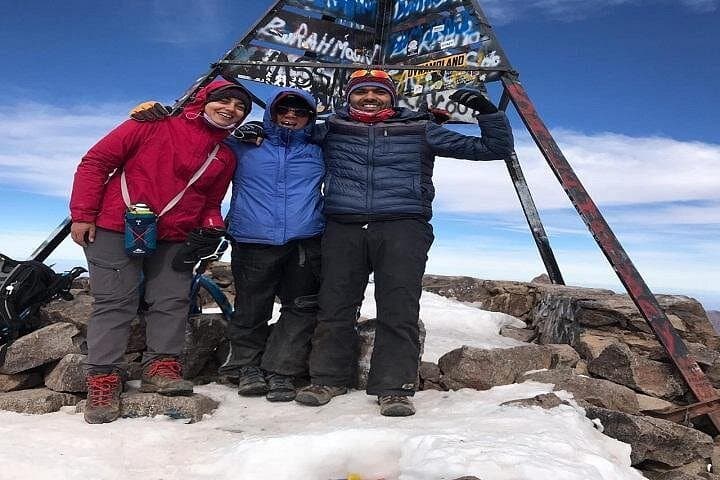
A cold blue light washes over the High Atlas as the group leaves Imlil before dawn, boots crunching on frozen soil and the air biting at exposed skin. Over three days the trail climbs through juniper forest, bends around cascade-fed gullies and reaches the wind-scoured Neltner refuge below the summit cornices. Snow rearranges the route each winter; the mountain insists on attention.
Verified experiences and guided adventures in the surrounding area.
Operated by Trekking in Morocco · Imlil, Marrakech-Safi
A cold blue light washes over the High Atlas as the group leaves Imlil before dawn, boots crunching on frozen soil and the air biting at exposed skin. Over three days the trail climbs through juniper forest, bends around cascade-fed gullies and reaches the wind-scoured Neltner refuge below the summit cornices. Snow rearranges the route each winter; the mountain insists on attention.
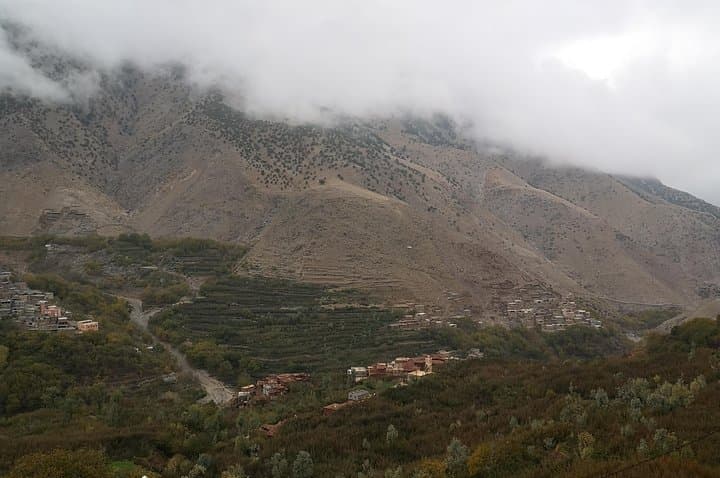
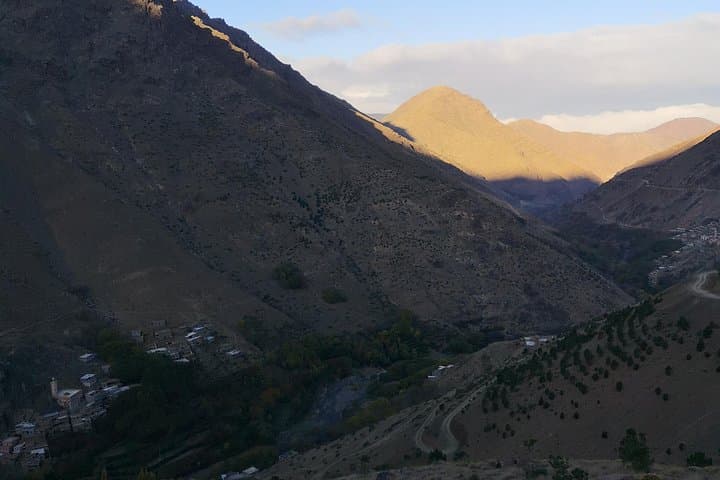
The trek traces human and geological history: volcanic and metamorphic rock thrust up to form sharp ridges, while local Amazigh (Berber) villages have grazed these slopes for generations. French and international climbers established refuges and marked passes, and names like Aguelzim and Tizi M'zzik map both language and landscape. Waterfalls born from spring melt can become braided ice flows in winter, daring trekkers to pick their line carefully.
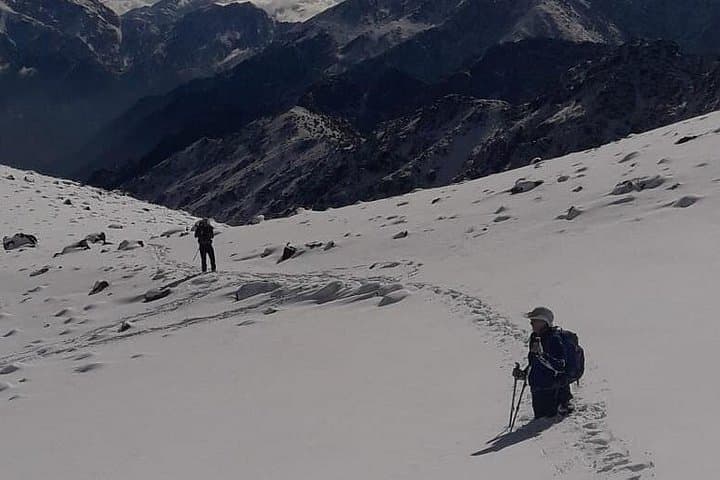
Expect mixed terrain — packed snow, occasional scree, steep zig-zag switchbacks and exposed ridge sections — with large elevation gain from Imlil (~1,740 m) to Mount Toubkal (4,167 m). Weather changes fast: clear, cold mornings can flip to wind and precipitation by afternoon. Guides, mules and refuges are common, lowering logistical load but not the physical demand.
Practical guidance: start very early on summit day, carry layered insulation, crampons and an ice axe if conditions require, and hydrate obsessively to help with altitude. Bring a warm sleeping bag, headlamp, sun protection and spare batteries. Respect local customs in valley villages, pack out waste, and plan for contingency time — in winter, the mountain keeps its own schedule.
You should have a high level of fitness with experience on multi-day hikes; expect long days with significant elevation gain and limited recovery time.
The tour includes a mountain guide and mules/porters to carry baggage and food, reducing pack weight for participants.
Nights are spent in mountain refuges or camps; refuges are basic but sheltered, so bring a warm sleeping bag as requested.
Summer offers milder conditions and less technical snow; this specific itinerary emphasizes winter climbing, which requires winter gear and skills.
Trekking in Morocco operates guided outdoor trips and adventures with an emphasis on safety, stewardship, and memorable experiences.
A cold blue light washes over the High Atlas as the group leaves Imlil before dawn, boots crunching on frozen soil and the air biting at exposed skin. Over three days the trail climbs through juniper forest, bends around cascade-fed gullies and reaches the wind-scoured Neltner refuge below the summit cornices. Snow rearranges the route each winter; the mountain insists on attention.
A cold blue light washes over the High Atlas as the group leaves Imlil before dawn, boots crunching on frozen soil and the air biting at exposed skin. Over three days the trail climbs through juniper forest, bends around cascade-fed gullies and reaches the wind-scoured Neltner refuge below the summit cornices. Snow rearranges the route each winter; the mountain insists on attention.
The trek traces human and geological history: volcanic and metamorphic rock thrust up to form sharp ridges, while local Amazigh (Berber) villages have grazed these slopes for generations. French and international climbers established refuges and marked passes, and names like Aguelzim and Tizi M'zzik map both language and landscape. Waterfalls born from spring melt can become braided ice flows in winter, daring trekkers to pick their line carefully.
Expect mixed terrain — packed snow, occasional scree, steep zig-zag switchbacks and exposed ridge sections — with large elevation gain from Imlil (~1,740 m) to Mount Toubkal (4,167 m). Weather changes fast: clear, cold mornings can flip to wind and precipitation by afternoon. Guides, mules and refuges are common, lowering logistical load but not the physical demand.
Practical guidance: start very early on summit day, carry layered insulation, crampons and an ice axe if conditions require, and hydrate obsessively to help with altitude. Bring a warm sleeping bag, headlamp, sun protection and spare batteries. Respect local customs in valley villages, pack out waste, and plan for contingency time — in winter, the mountain keeps its own schedule.