THE ADVENTURE COLLECTIVE® · Independent discovery and booking for outdoor travel

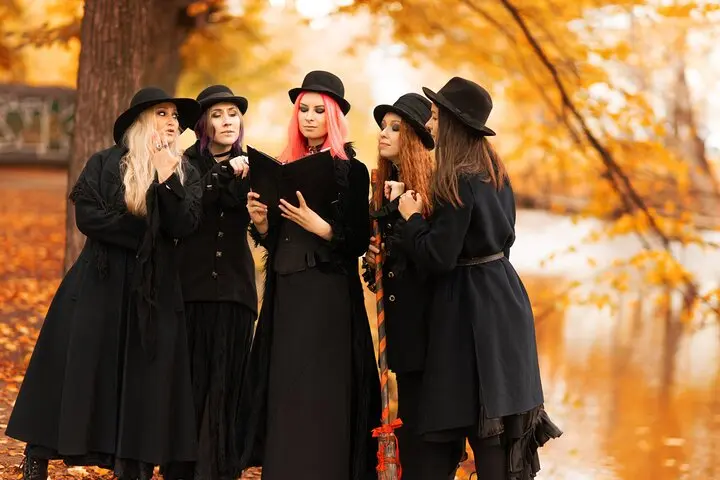
Walk the Garden District with a guide descended from Uptown families and hear the real stories of ancestral witchcraft behind the mansions and the media myths. This 105-minute tour blends architecture, burial customs, and lived ritual in one accessible neighborhood walk.
Walk the Garden District with a guide descended from Uptown families and hear the real stories of ancestral witchcraft behind the mansions and the media myths. This 105-minute tour blends architecture, burial customs, and lived ritual in one accessible neighborhood walk.
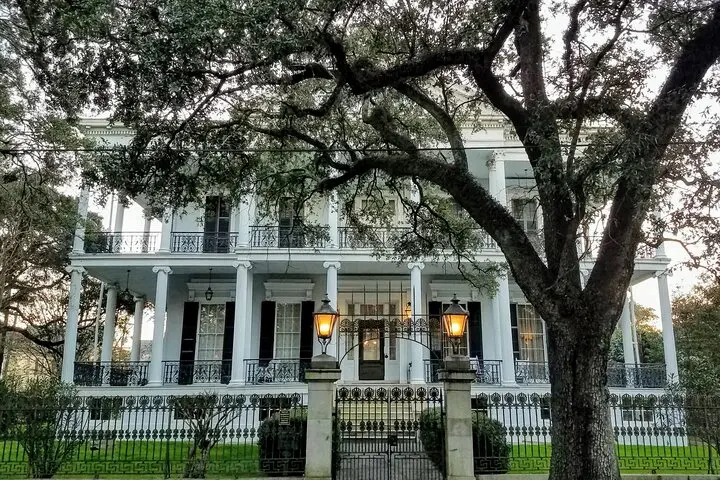
The walk begins beneath live oaks that watch over St. Charles Avenue, the air thick with humidity and the slow rattle of a distant streetcar. Guests move past iron fences and columned mansions; the city’s past feels present here — a conversation between old money architecture and older, quieter practices.
Verified experiences and guided adventures in the surrounding area.
Operated by DuPont and Company · New Orleans, Louisiana
The walk begins beneath live oaks that watch over St. Charles Avenue, the air thick with humidity and the slow rattle of a distant streetcar. Guests move past iron fences and columned mansions; the city’s past feels present here — a conversation between old money architecture and older, quieter practices.
This tour focuses on Uptown families who practiced ancestral witchcraft, distinct from the commercialized Voodoo scenes tourists often see. Historically, the Garden District occupies the natural levee of the Mississippi, higher ground where 19th-century elites built mansions that hid intimate domestic rites. Guides trace threads from Creole roots and European folk magic to funeral customs and family tombs that still mark local memory.
You’ll pass the house used in pop culture depictions while hearing the authentic stories behind it: healings, castings, and neighborhood rites passed down through generations. The guide’s lineage and local knowledge give context to burial protocols, domestic remedies, and the social roles those practitioners held in Uptown life.
Practical details: the tour runs about 105 minutes over roughly 1.5 miles of mostly flat, paved sidewalks. It’s wheelchair- and stroller-accessible with short pauses at points of interest. Expect humid summers and sudden showers — pack water and a light rain layer. Photography is generally allowed at public façades, but respect private property and mournful sites; some family tombs are treated as active memorials.
This is a walking history that asks for curiosity and discretion: listen for small, human stories of care and resilience that shaped New Orleans’ quieter spiritual life.
Meeting and end point is in front of The Rink Shopping Center, where there is a coffee shop and public restroom; your guide will be there at the scheduled time.
Yes — the route uses mostly paved sidewalks and is listed as wheelchair-accessible, though some sidewalks may have slight unevenness.
Infants and small children are permitted and can use strollers; content includes historical references to burial practices, so parental discretion is advised.
Photography of public façades and streetscapes is allowed; be respectful at family tombs and follow the guide’s directions regarding sensitive sites.
DuPont and Company operates guided outdoor trips and adventures with an emphasis on safety, stewardship, and memorable experiences.


The walk begins beneath live oaks that watch over St. Charles Avenue, the air thick with humidity and the slow rattle of a distant streetcar. Guests move past iron fences and columned mansions; the city’s past feels present here — a conversation between old money architecture and older, quieter practices.
The walk begins beneath live oaks that watch over St. Charles Avenue, the air thick with humidity and the slow rattle of a distant streetcar. Guests move past iron fences and columned mansions; the city’s past feels present here — a conversation between old money architecture and older, quieter practices.
This tour focuses on Uptown families who practiced ancestral witchcraft, distinct from the commercialized Voodoo scenes tourists often see. Historically, the Garden District occupies the natural levee of the Mississippi, higher ground where 19th-century elites built mansions that hid intimate domestic rites. Guides trace threads from Creole roots and European folk magic to funeral customs and family tombs that still mark local memory.
You’ll pass the house used in pop culture depictions while hearing the authentic stories behind it: healings, castings, and neighborhood rites passed down through generations. The guide’s lineage and local knowledge give context to burial protocols, domestic remedies, and the social roles those practitioners held in Uptown life.
Practical details: the tour runs about 105 minutes over roughly 1.5 miles of mostly flat, paved sidewalks. It’s wheelchair- and stroller-accessible with short pauses at points of interest. Expect humid summers and sudden showers — pack water and a light rain layer. Photography is generally allowed at public façades, but respect private property and mournful sites; some family tombs are treated as active memorials.
This is a walking history that asks for curiosity and discretion: listen for small, human stories of care and resilience that shaped New Orleans’ quieter spiritual life.