THE ADVENTURE COLLECTIVE® · Independent discovery and booking for outdoor travel

Walk the faint scars of Roman Londinium with a self-guided scavenger hunt that leads you through ancient gates, plaques, and hidden alleys. Solve puzzles as you map the city wall and discover quieter viewpoints away from the crowds.
Walk the faint scars of Roman Londinium with a self-guided scavenger hunt that leads you through ancient gates, plaques, and hidden alleys. Solve puzzles as you map the city wall and discover quieter viewpoints away from the crowds.
Step off the modern pavement and into a city that still argues with its past. The scavenger hunt begins where glass towers cast long reflections over cobbled lanes; clues send you weaving between medieval gates and the faint imprint of a Roman street grid. The Thames watches, a slow current daring you to look for signs of Londinium beneath the concrete skin.
Verified experiences and guided adventures in the surrounding area.
Operated by EfficiencyGames · London, England
Step off the modern pavement and into a city that still argues with its past. The scavenger hunt begins where glass towers cast long reflections over cobbled lanes; clues send you weaving between medieval gates and the faint imprint of a Roman street grid. The Thames watches, a slow current daring you to look for signs of Londinium beneath the concrete skin.
This self-guided walk traces the outline of the original Roman wall (built c. 200 AD), passes ruins and plaques that mark ancient gates, and threads through layers of London history — Roman cemeteries, medieval inns, and later mercantile streets. Geology here is urban: Thames alluvium underpins the low-lying riverbank while clay and imported stone form the foundations of centuries of rebuilding. The city’s culture is visible in graffiti, market stalls, and plaques that connect Victorian expansions to Roman engineering.
Expect 2–4 hours of walking at a moderate pace, stopping at monuments and plazas to solve puzzles and decode ciphers. The route encourages photography and close reading of inscriptions; local insights point to quieter alleys and roofline views where peregrine falcons sometimes perch.
Practical guidance: carry a charged phone with GPS and a printed copy of your clue packet, wear stable walking shoes, and bring water and snacks. Start early on weekends to avoid crowds at key sites, and be prepared to detour easily — much of the game rewards exploratory side streets. This hunt is an efficient, playful way to learn Roman London’s footprint while exercising navigation skills and curiosity.
The route is designed for about 2–4 hours at a moderate walking pace; puzzles range from observation-based clues to short ciphers suitable for small groups.
Yes—children can participate, though some puzzles assume basic reading and problem-solving; supervision is recommended in busy streets.
Much of central London has step-free routes, but historic sites and alleyways can include narrow passages; accessibility is noted as available, but check specifics in advance.
Yes, it’s self-guided and can begin anytime during daylight hours; aim for early morning or late afternoon to avoid peak tourist crowds.
EfficiencyGames operates guided outdoor trips and adventures with an emphasis on safety, stewardship, and memorable experiences.
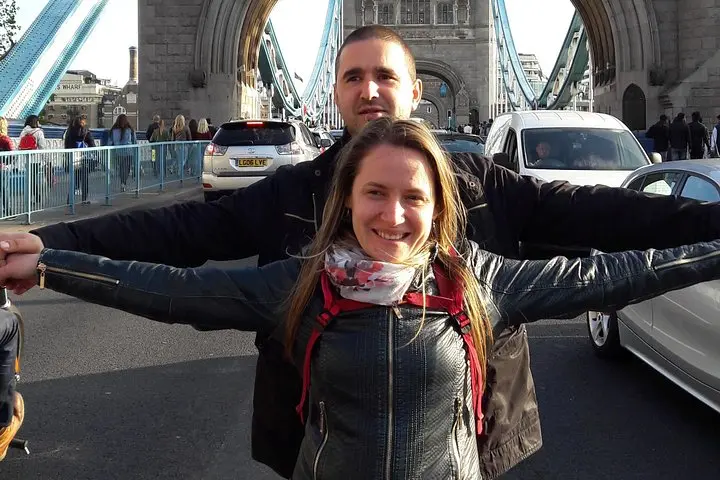
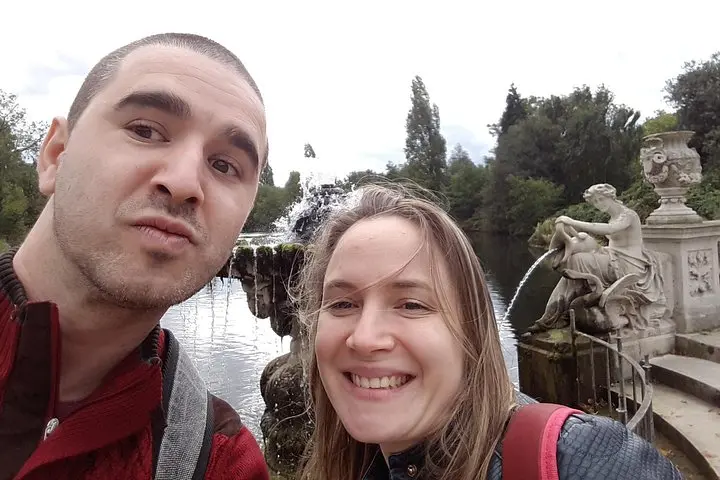

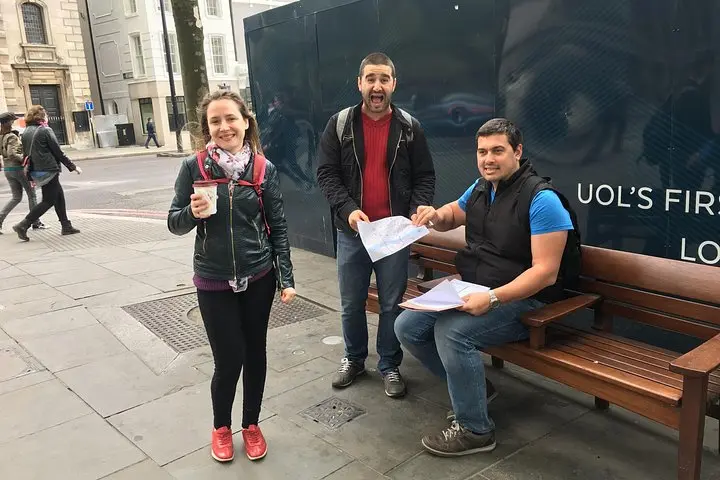
Step off the modern pavement and into a city that still argues with its past. The scavenger hunt begins where glass towers cast long reflections over cobbled lanes; clues send you weaving between medieval gates and the faint imprint of a Roman street grid. The Thames watches, a slow current daring you to look for signs of Londinium beneath the concrete skin.
Step off the modern pavement and into a city that still argues with its past. The scavenger hunt begins where glass towers cast long reflections over cobbled lanes; clues send you weaving between medieval gates and the faint imprint of a Roman street grid. The Thames watches, a slow current daring you to look for signs of Londinium beneath the concrete skin.
This self-guided walk traces the outline of the original Roman wall (built c. 200 AD), passes ruins and plaques that mark ancient gates, and threads through layers of London history — Roman cemeteries, medieval inns, and later mercantile streets. Geology here is urban: Thames alluvium underpins the low-lying riverbank while clay and imported stone form the foundations of centuries of rebuilding. The city’s culture is visible in graffiti, market stalls, and plaques that connect Victorian expansions to Roman engineering.
Expect 2–4 hours of walking at a moderate pace, stopping at monuments and plazas to solve puzzles and decode ciphers. The route encourages photography and close reading of inscriptions; local insights point to quieter alleys and roofline views where peregrine falcons sometimes perch.
Practical guidance: carry a charged phone with GPS and a printed copy of your clue packet, wear stable walking shoes, and bring water and snacks. Start early on weekends to avoid crowds at key sites, and be prepared to detour easily — much of the game rewards exploratory side streets. This hunt is an efficient, playful way to learn Roman London’s footprint while exercising navigation skills and curiosity.