THE ADVENTURE COLLECTIVE® · Independent discovery and booking for outdoor travel

Spend five days in the Maasai Mara during migration season and watch rolling herds, dramatic river crossings and concentrated predator activity. This practical guide outlines what to expect, when to go, and how to prepare for long game drives and early mornings.
Spend five days in the Maasai Mara during migration season and watch rolling herds, dramatic river crossings and concentrated predator activity. This practical guide outlines what to expect, when to go, and how to prepare for long game drives and early mornings.
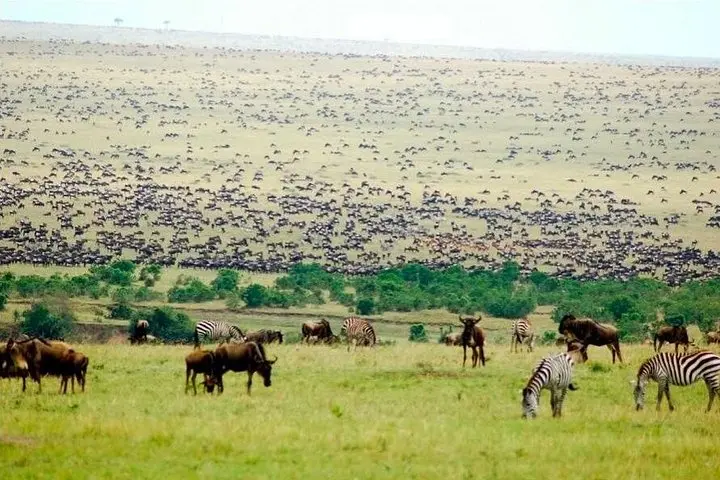
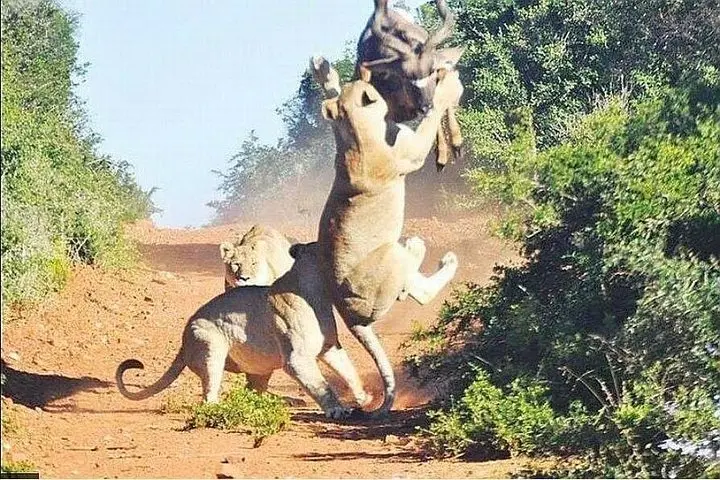
Dawn in the Maasai Mara arrives as a low, cool light that pulls the plains awake. Vehicles rattle across red tracks, and the horizon is a moving wall of bodies—wildebeest, zebra and gazelle—pushing toward the Mara River, where water and crocodile jaws test their resolve. Guides scan the grass; lions yawn in acacia shade and cheetahs flatten themselves against the ground like secrets.
Verified experiences and guided adventures in the surrounding area.
Operated by Africa Tours · Narok, Narok County
Dawn in the Maasai Mara arrives as a low, cool light that pulls the plains awake. Vehicles rattle across red tracks, and the horizon is a moving wall of bodies—wildebeest, zebra and gazelle—pushing toward the Mara River, where water and crocodile jaws test their resolve. Guides scan the grass; lions yawn in acacia shade and cheetahs flatten themselves against the ground like secrets.
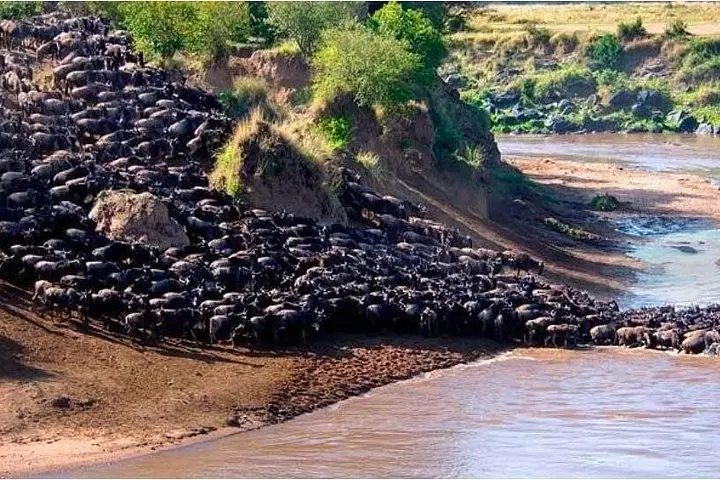
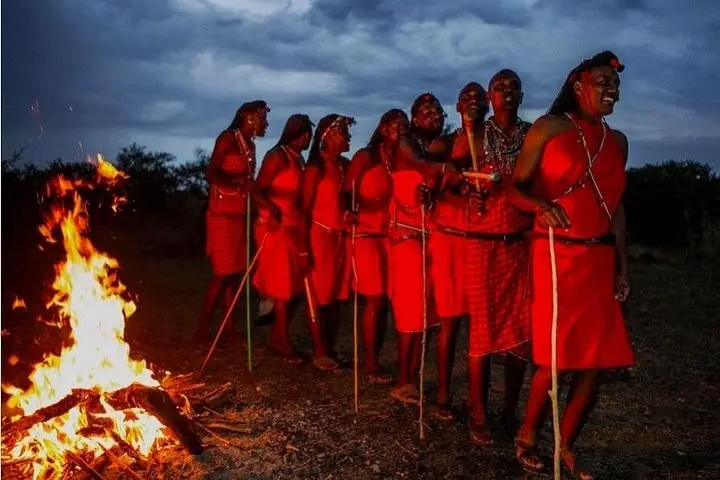
The Mara sits on East Africa’s rift-shoulder, a floodplain shaped by tectonics and seasonal rivers. The reserve takes its name from the Maasai people who have grazed these grasslands for generations and from the river that splits the plains. The Great Wildebeest Migration—peaking July to October here—moves roughly 1.5 million animals between Serengeti and Maasai Mara, producing dramatic river crossings and concentrated predator activity.
This five-day package centers on guided game drives from a comfortable camp base, with meals provided and transfers to Nairobi. Expect long drives (roughly 5–6 hours from Nairobi) and full-day game runs, timed around sunrise and late afternoon light for the best sightings.
Practical essentials: rise early, pack layers for chilly mornings and hot afternoons, bring binoculars and a long lens, and carry water and sunscreen. Respect local wildlife protocols—stay with your guide, keep windows partly closed near big cats, and avoid feeding or approaching animals.
For photographers and wildlife lovers the Mara delivers raw, kinetic moments—river crossings, stalking predators, and endless grass that seems to move with a will of its own.
July through October is the prime period for Mara river crossings when herds move north from the Serengeti.
This package includes nights at Mara Base Camp with meals as stated; upgrades or alternative lodgings may be available on request.
Expect roughly 5–6 hours by road from Nairobi to the Mara, depending on traffic and exact camp location.
Yes; the itinerary is classified as easy but requires comfortable mobility for vehicle entry/exit and tolerance for long days.
Africa Tours operates guided outdoor trips and adventures with an emphasis on safety, stewardship, and memorable experiences.
Dawn in the Maasai Mara arrives as a low, cool light that pulls the plains awake. Vehicles rattle across red tracks, and the horizon is a moving wall of bodies—wildebeest, zebra and gazelle—pushing toward the Mara River, where water and crocodile jaws test their resolve. Guides scan the grass; lions yawn in acacia shade and cheetahs flatten themselves against the ground like secrets.
Dawn in the Maasai Mara arrives as a low, cool light that pulls the plains awake. Vehicles rattle across red tracks, and the horizon is a moving wall of bodies—wildebeest, zebra and gazelle—pushing toward the Mara River, where water and crocodile jaws test their resolve. Guides scan the grass; lions yawn in acacia shade and cheetahs flatten themselves against the ground like secrets.
The Mara sits on East Africa’s rift-shoulder, a floodplain shaped by tectonics and seasonal rivers. The reserve takes its name from the Maasai people who have grazed these grasslands for generations and from the river that splits the plains. The Great Wildebeest Migration—peaking July to October here—moves roughly 1.5 million animals between Serengeti and Maasai Mara, producing dramatic river crossings and concentrated predator activity.
This five-day package centers on guided game drives from a comfortable camp base, with meals provided and transfers to Nairobi. Expect long drives (roughly 5–6 hours from Nairobi) and full-day game runs, timed around sunrise and late afternoon light for the best sightings.
Practical essentials: rise early, pack layers for chilly mornings and hot afternoons, bring binoculars and a long lens, and carry water and sunscreen. Respect local wildlife protocols—stay with your guide, keep windows partly closed near big cats, and avoid feeding or approaching animals.
For photographers and wildlife lovers the Mara delivers raw, kinetic moments—river crossings, stalking predators, and endless grass that seems to move with a will of its own.