THE ADVENTURE COLLECTIVE® · Independent discovery and booking for outdoor travel

Spend a day tracking wolf spoor, listening for answers to a guide’s call, and following animal trails through Sweden’s pine forests. This guided 6 km safari combines fieldcraft, night-vision optics, and a campfire barbecue for an immersive wildlife day-trip from Stockholm.
Spend a day tracking wolf spoor, listening for answers to a guide’s call, and following animal trails through Sweden’s pine forests. This guided 6 km safari combines fieldcraft, night-vision optics, and a campfire barbecue for an immersive wildlife day-trip from Stockholm.
A cold wind moves through the pine stand as you step from the minivan and into a silence that seems to listen back. Snow or thawed needle-litter crunches underfoot as the guide kneels to inspect a torn patch of fur and a scat line — small clues that map where wolves have been. For the next six kilometres you follow scent-lines and spoor, crossing ridgelines and, in winter, walking over frozen lakes where tracks sketch the wolves’ late-night passages.
Verified experiences and guided adventures in the surrounding area.
Operated by True Nature Sweden · Stockholm, Stockholm County
A cold wind moves through the pine stand as you step from the minivan and into a silence that seems to listen back. Snow or thawed needle-litter crunches underfoot as the guide kneels to inspect a torn patch of fur and a scat line — small clues that map where wolves have been. For the next six kilometres you follow scent-lines and spoor, crossing ridgelines and, in winter, walking over frozen lakes where tracks sketch the wolves’ late-night passages.
Sweden’s wolf population has rebounded slowly over the past century after near-extirpation; today tracks are one of the few ways to connect with a species that keeps to broad, lowland forests and old reindeer routes. The geology here is ancient Baltic Shield — granite outcrops and thin soils give way to peat bogs and clear lakes that funnel animal movement. Culturally, wolves occupy mixed place in Swedish life: respected by many, disputed by some, and protected by a framework of research and regulated management.
Practical bits matter: the day runs about eight hours with a guided 6 km hike adjusted for wind and animal activity; binoculars and night-vision are supplied and barbecue lunch is cooked over a fire. Expect variable footing, long pauses while listening, and the possibility — not the promise — of a howl in response from a distant ridge.
Bring layers, solid waterproof boots, and patience. Hydrate, protect electronics from moisture, and treat every track as a fragile record. The experience is about reading the landscape and learning how the wild leaves its signatures — a slow, exacting conversation with nature rather than a guaranteed sighting.
No — wolves are elusive and sightings are rare; the experience focuses on tracking signs, learning behavior, and listening for howls, which sometimes elicit a response.
The operator notes the activity is physically easy but it is not recommended for pregnant travelers; children can join if supervised and able to handle long quiet periods.
Yes; transport from the operator’s office is included, though exact pickup points are provided at booking and public transport access is available nearby.
The operator may cancel for severe weather or insufficient participants; otherwise routes are adjusted for wind, visibility, and animal activity to keep guests safe.
True Nature Sweden operates guided outdoor trips and adventures with an emphasis on safety, stewardship, and memorable experiences.
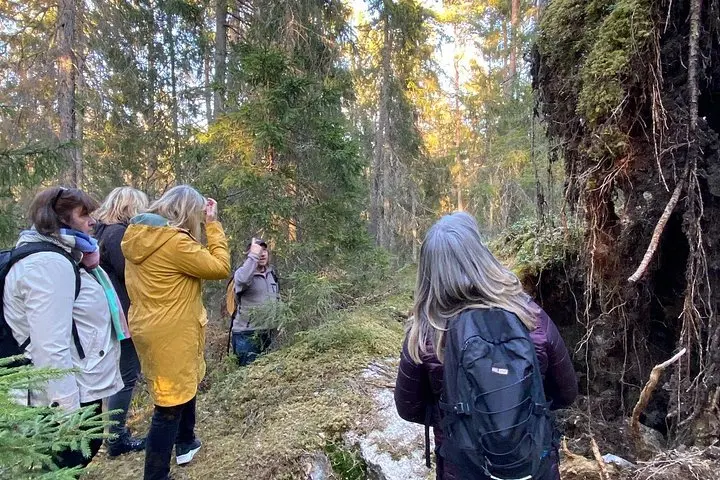
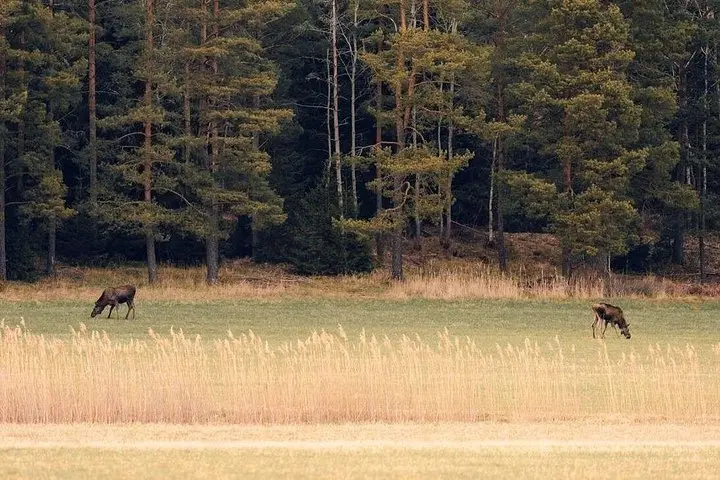
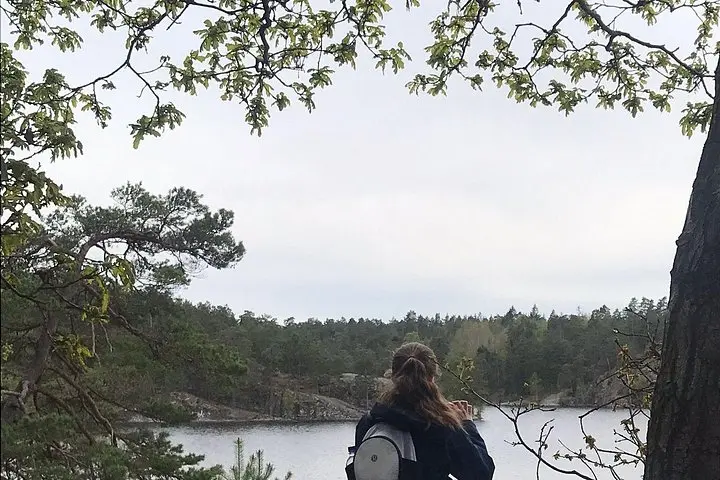
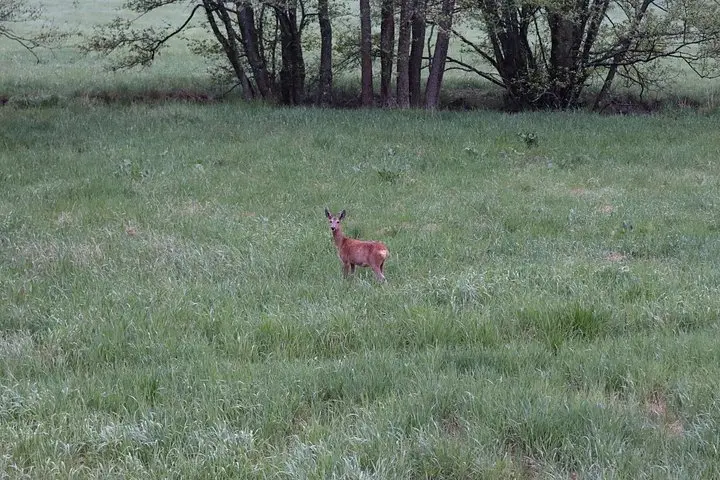
A cold wind moves through the pine stand as you step from the minivan and into a silence that seems to listen back. Snow or thawed needle-litter crunches underfoot as the guide kneels to inspect a torn patch of fur and a scat line — small clues that map where wolves have been. For the next six kilometres you follow scent-lines and spoor, crossing ridgelines and, in winter, walking over frozen lakes where tracks sketch the wolves’ late-night passages.
A cold wind moves through the pine stand as you step from the minivan and into a silence that seems to listen back. Snow or thawed needle-litter crunches underfoot as the guide kneels to inspect a torn patch of fur and a scat line — small clues that map where wolves have been. For the next six kilometres you follow scent-lines and spoor, crossing ridgelines and, in winter, walking over frozen lakes where tracks sketch the wolves’ late-night passages.
Sweden’s wolf population has rebounded slowly over the past century after near-extirpation; today tracks are one of the few ways to connect with a species that keeps to broad, lowland forests and old reindeer routes. The geology here is ancient Baltic Shield — granite outcrops and thin soils give way to peat bogs and clear lakes that funnel animal movement. Culturally, wolves occupy mixed place in Swedish life: respected by many, disputed by some, and protected by a framework of research and regulated management.
Practical bits matter: the day runs about eight hours with a guided 6 km hike adjusted for wind and animal activity; binoculars and night-vision are supplied and barbecue lunch is cooked over a fire. Expect variable footing, long pauses while listening, and the possibility — not the promise — of a howl in response from a distant ridge.
Bring layers, solid waterproof boots, and patience. Hydrate, protect electronics from moisture, and treat every track as a fragile record. The experience is about reading the landscape and learning how the wild leaves its signatures — a slow, exacting conversation with nature rather than a guaranteed sighting.