THE ADVENTURE COLLECTIVE® · Independent discovery and booking for outdoor travel

A paced nine-day cultural and nature tour across western Bhutan, from the cliffside Tiger’s Nest to the crane-filled Phobjikha Valley. Expect dzongs, village crafts, alpine views and one steep hike to a famous monastery.
A paced nine-day cultural and nature tour across western Bhutan, from the cliffside Tiger’s Nest to the crane-filled Phobjikha Valley. Expect dzongs, village crafts, alpine views and one steep hike to a famous monastery.
You step out of the plane into a thin, clear air that sharpens color and sound: prayer flags snap overhead, stone chortens gleam at road junctions, and the driver threads a narrow valley road lined with whitewashed houses painted in traditional motifs.
Verified experiences and guided adventures in the surrounding area.
Operated by WORLD TOUR PLAN · Paro, Paro District
You step out of the plane into a thin, clear air that sharpens color and sound: prayer flags snap overhead, stone chortens gleam at road junctions, and the driver threads a narrow valley road lined with whitewashed houses painted in traditional motifs.
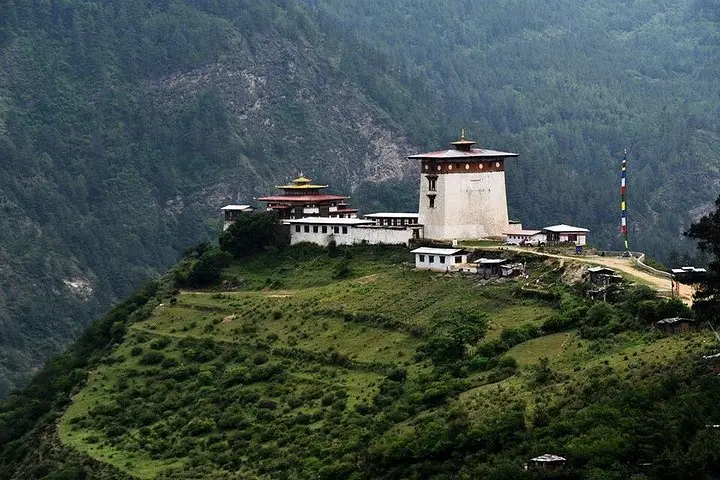
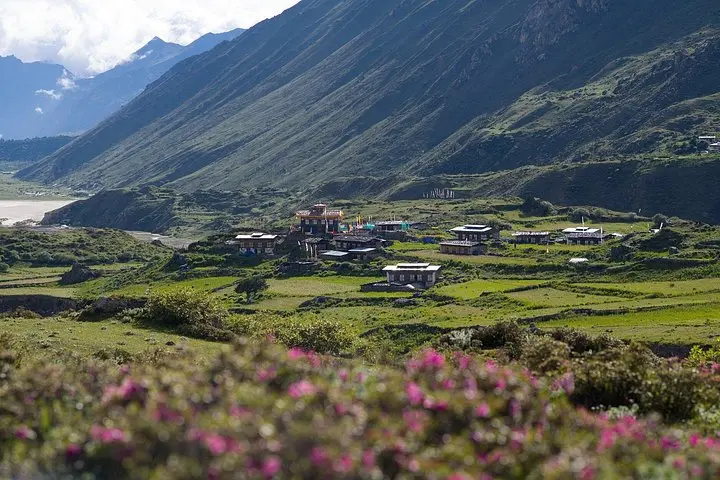
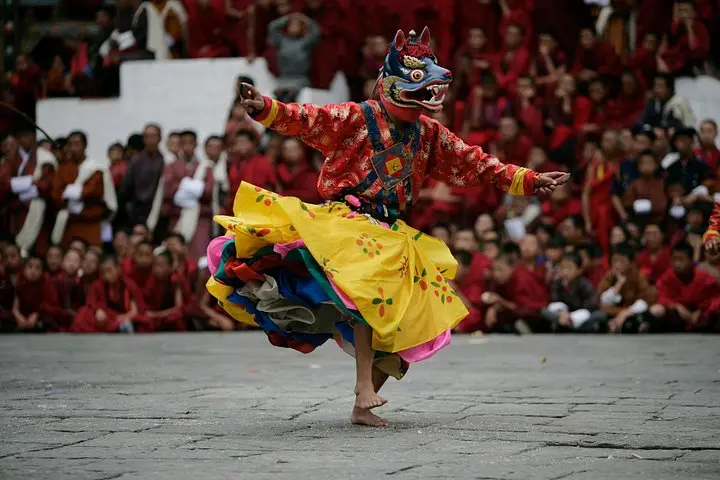
This nine-day itinerary moves at a deliberate pace through western Bhutan — Paro and its cliffside Taktsang, the administrative pulse of Thimphu, the glacial bowl of Phobjikha and the river-wrapped Punakha. Geologically the route crosses the Lesser Himalaya onto higher, forested ridges; you’ll pass Dochu La’s 108 stupas with panoramic views of snow-domed peaks on clear mornings. Culturally the trip centers on dzongs, monasteries and living crafts: the Rimpong and Punakha dzongs, the National Library’s centuries-old manuscripts and village weaving and woodcraft traditions.
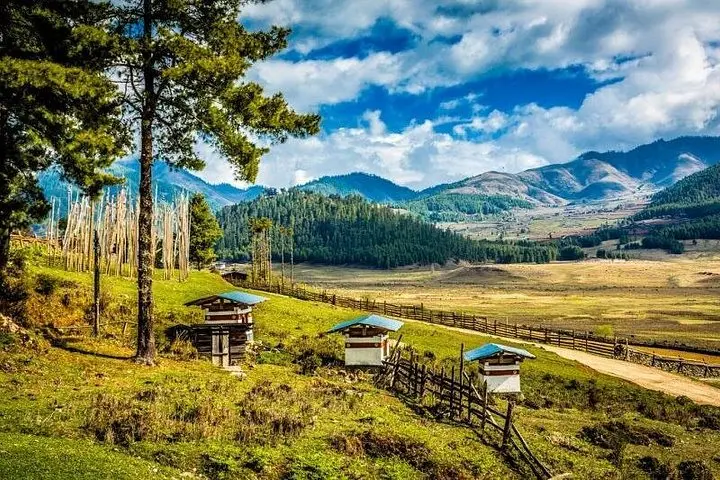
Phobjikha Valley is an ecological highlight — a broad U-shaped glacial valley that becomes a winter staging ground for black-necked cranes and supports traditional potato farming. History appears in fortress architecture, the legend of Guru Rinpoche at Taktsang and recent events such as the reconstruction after the Wangdue Phodrang fire.
Practically, expect daily transfers by private vehicle, guided cultural walks, one significant uphill hike to Tiger’s Nest (steep but well-trafficked) and mid-elevation weather that can vary quickly. Carry layers, a daypack, and cash for small village purchases; allow time for altitude adjustment on arrival and plan visits to nature reserves in the early morning for best wildlife viewing.
Yes — visitors outside India, Bangladesh and the Maldives require a visa organized by your tour operator and the mandatory Sustainable Development Fee is included in the package.
The climb to the viewpoint takes about 1.5 hours on a steep, stepped trail; continuing to the monastery adds roughly another hour—good footwear and moderate fitness are recommended.
Black-necked cranes typically winter in Phobjikha from late October through early February; early mornings and cold clear days offer the best viewing.
This itinerary uses Bhutanese-style 3-star hotels that emphasize local character—rooms are comfortable but not luxury; expect simple hot water systems in remote valleys.
WORLD TOUR PLAN operates guided outdoor trips and adventures with an emphasis on safety, stewardship, and memorable experiences.
You step out of the plane into a thin, clear air that sharpens color and sound: prayer flags snap overhead, stone chortens gleam at road junctions, and the driver threads a narrow valley road lined with whitewashed houses painted in traditional motifs.
You step out of the plane into a thin, clear air that sharpens color and sound: prayer flags snap overhead, stone chortens gleam at road junctions, and the driver threads a narrow valley road lined with whitewashed houses painted in traditional motifs.
This nine-day itinerary moves at a deliberate pace through western Bhutan — Paro and its cliffside Taktsang, the administrative pulse of Thimphu, the glacial bowl of Phobjikha and the river-wrapped Punakha. Geologically the route crosses the Lesser Himalaya onto higher, forested ridges; you’ll pass Dochu La’s 108 stupas with panoramic views of snow-domed peaks on clear mornings. Culturally the trip centers on dzongs, monasteries and living crafts: the Rimpong and Punakha dzongs, the National Library’s centuries-old manuscripts and village weaving and woodcraft traditions.
Phobjikha Valley is an ecological highlight — a broad U-shaped glacial valley that becomes a winter staging ground for black-necked cranes and supports traditional potato farming. History appears in fortress architecture, the legend of Guru Rinpoche at Taktsang and recent events such as the reconstruction after the Wangdue Phodrang fire.
Practically, expect daily transfers by private vehicle, guided cultural walks, one significant uphill hike to Tiger’s Nest (steep but well-trafficked) and mid-elevation weather that can vary quickly. Carry layers, a daypack, and cash for small village purchases; allow time for altitude adjustment on arrival and plan visits to nature reserves in the early morning for best wildlife viewing.