THE ADVENTURE COLLECTIVE® · Independent discovery and booking for outdoor travel

A seven‑day overland circuit across Java that pairs volcano sunrises at Bromo and Ijen with the ancient temples of Borobudur and Prambanan. Expect long drives, two overnight trains and short crater hikes—packed with geology, culture and hands‑on local encounters.
A seven‑day overland circuit across Java that pairs volcano sunrises at Bromo and Ijen with the ancient temples of Borobudur and Prambanan. Expect long drives, two overnight trains and short crater hikes—packed with geology, culture and hands‑on local encounters.
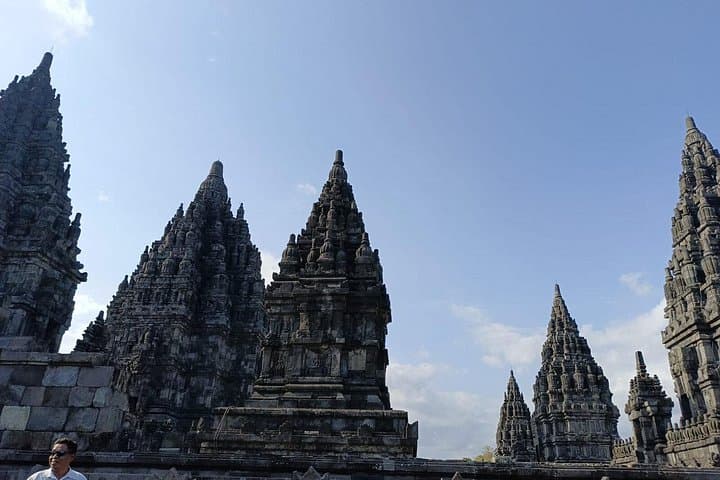
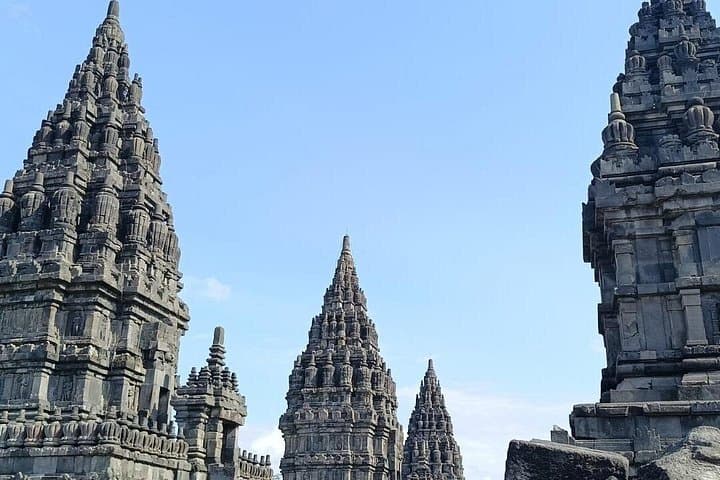
The convoy moves out of Jakarta at dawn, city glass doors sliding closed behind you while the island of Java loosens itself into volcanoes and rice fields. On day one you thread colonial Batavia and Chinatown; by day three you're standing on the rim of Tangkuban Perahu feeling wind push along the crater’s lip. The itinerary stitches modern cities and living temples—Prambanan’s 47‑m towers, Borobudur’s mandala terraces—into an overland journey that finishes in East Java’s ash-swept highlands.
Verified experiences and guided adventures in the surrounding area.
Operated by TRIPEDIA · Jakarta, Jakarta
The convoy moves out of Jakarta at dawn, city glass doors sliding closed behind you while the island of Java loosens itself into volcanoes and rice fields. On day one you thread colonial Batavia and Chinatown; by day three you're standing on the rim of Tangkuban Perahu feeling wind push along the crater’s lip. The itinerary stitches modern cities and living temples—Prambanan’s 47‑m towers, Borobudur’s mandala terraces—into an overland journey that finishes in East Java’s ash-swept highlands.
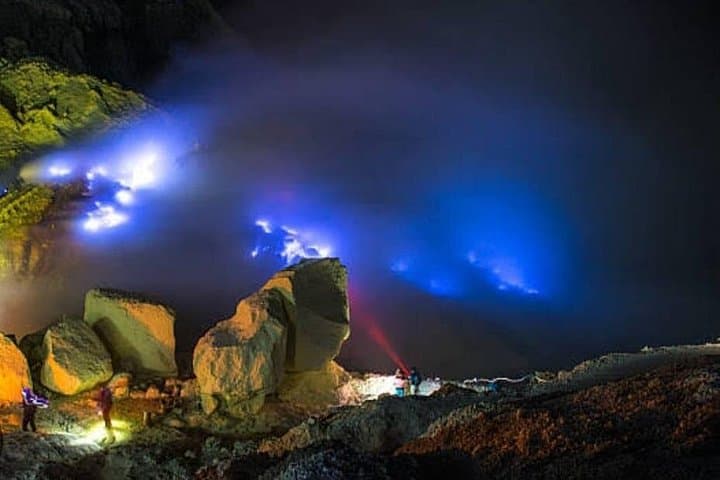
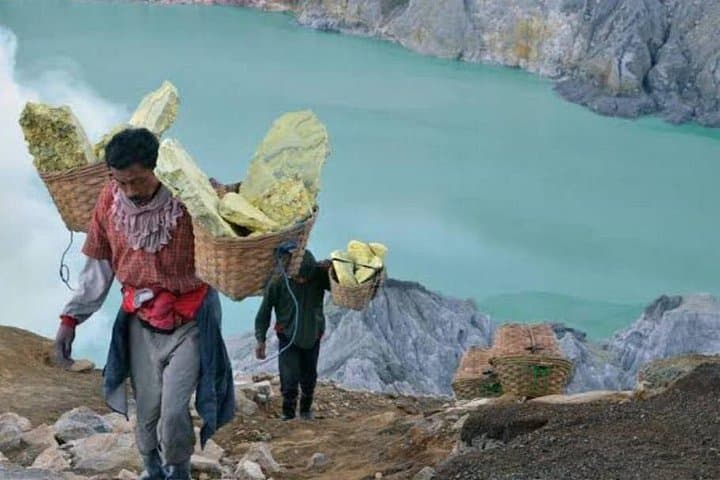
Java is a story of volcanic geology and layered human history: stratovolcanoes that rise abruptly from sea-level plains, Hindu and Buddhist empires whose stone work survives centuries, and a colonial era that rewrote trade routes. Cultural highlights include Angklung music in Bandung and the Kraton court traditions in Jogjakarta; geological high points are Bromo (2,329 m) with its Sea of Sand and the sulphur-scented Ijen caldera where blue fire and miners work at night.
Practically, expect long transfers by air‑conditioned vehicle and two overnight train segments (Jakarta–Yogyakarta, Yogyakarta–Mojokerto). Key moments require early starts: sunrise at Bromo and a midnight hike for Ijen’s blue flame. Terrain varies from paved city streets to short crater hikes of 30–60 minutes with volcanic scree—sturdy boots and layers matter. Follow licensed guides for safety around fumaroles, bring a mask for sulfur fumes, and allow buffer time for train schedules. This trip rewards travelers who want a compact, active overview of Java’s natural drama and living culture without deep‑mountaineering skills.
The trip is family‑friendly but includes early starts, long transfers and short hikes on loose volcanic terrain—check mobility and stamina for crater walks.
Both are short but can be steep over uneven volcanic sand; expect 30–90 minutes of walking with modest elevation change—no technical climbing required.
Visitors should check Indonesia entry requirements for visas and consult a travel clinic for routine vaccinations; no special vaccinations are typically required specifically for Java beyond standard recommendations.
Blue fire appears in the Ijen fumaroles at night but visibility depends on weather and sulfur activity; guides time departures for the best chance and safety.
TRIPEDIA operates guided outdoor trips and adventures with an emphasis on safety, stewardship, and memorable experiences.
The convoy moves out of Jakarta at dawn, city glass doors sliding closed behind you while the island of Java loosens itself into volcanoes and rice fields. On day one you thread colonial Batavia and Chinatown; by day three you're standing on the rim of Tangkuban Perahu feeling wind push along the crater’s lip. The itinerary stitches modern cities and living temples—Prambanan’s 47‑m towers, Borobudur’s mandala terraces—into an overland journey that finishes in East Java’s ash-swept highlands.
The convoy moves out of Jakarta at dawn, city glass doors sliding closed behind you while the island of Java loosens itself into volcanoes and rice fields. On day one you thread colonial Batavia and Chinatown; by day three you're standing on the rim of Tangkuban Perahu feeling wind push along the crater’s lip. The itinerary stitches modern cities and living temples—Prambanan’s 47‑m towers, Borobudur’s mandala terraces—into an overland journey that finishes in East Java’s ash-swept highlands.
Java is a story of volcanic geology and layered human history: stratovolcanoes that rise abruptly from sea-level plains, Hindu and Buddhist empires whose stone work survives centuries, and a colonial era that rewrote trade routes. Cultural highlights include Angklung music in Bandung and the Kraton court traditions in Jogjakarta; geological high points are Bromo (2,329 m) with its Sea of Sand and the sulphur-scented Ijen caldera where blue fire and miners work at night.
Practically, expect long transfers by air‑conditioned vehicle and two overnight train segments (Jakarta–Yogyakarta, Yogyakarta–Mojokerto). Key moments require early starts: sunrise at Bromo and a midnight hike for Ijen’s blue flame. Terrain varies from paved city streets to short crater hikes of 30–60 minutes with volcanic scree—sturdy boots and layers matter. Follow licensed guides for safety around fumaroles, bring a mask for sulfur fumes, and allow buffer time for train schedules. This trip rewards travelers who want a compact, active overview of Java’s natural drama and living culture without deep‑mountaineering skills.