THE ADVENTURE COLLECTIVE® · Independent discovery and booking for outdoor travel

Explore bold murals and the stories behind them on a two-hour guided walk through Woodstock and Salt River. Begin and end at the Old Biscuit Mill while a local creative points out hidden pieces and community history.
Explore bold murals and the stories behind them on a two-hour guided walk through Woodstock and Salt River. Begin and end at the Old Biscuit Mill while a local creative points out hidden pieces and community history.
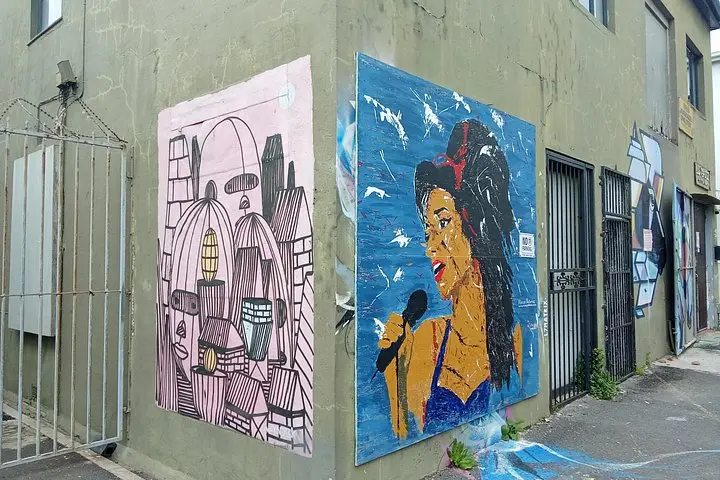
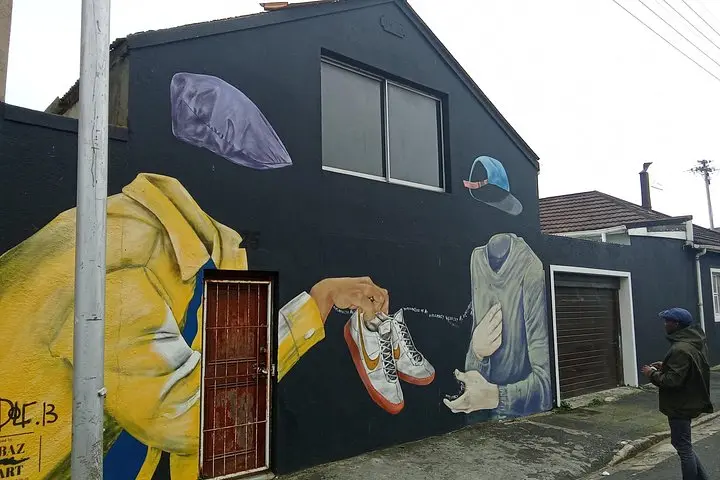
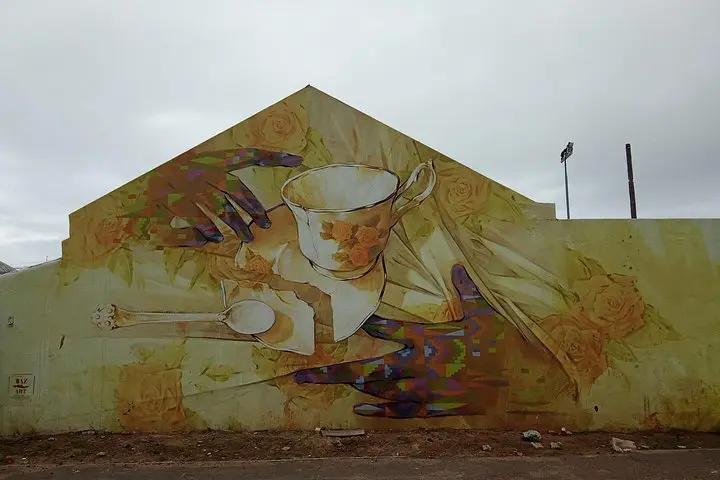
You step off Albert Road into a pulse of color: murals scale former factory walls, spray-can texture catching the westward light, while Atlantic wind nudges the edges of banners and the DJ’s beat drifts up from the Old Biscuit Mill.
Verified experiences and guided adventures in the surrounding area.
Operated by HIGHGROUND: Art, History & Hidden Vibes · Cape Town, Western Cape
You step off Albert Road into a pulse of color: murals scale former factory walls, spray-can texture catching the westward light, while Atlantic wind nudges the edges of banners and the DJ’s beat drifts up from the Old Biscuit Mill.
This two-hour walking tour threads through Woodstock and Salt River, neighborhoods shaped by industrial change and creative reinvention. Former textile and biscuit factories become canvases and cultural hubs; the Old Biscuit Mill itself is a late-Victorian industrial complex reimagined as a market and meeting place. Geologically, you’re on the Cape Flats fringe where Table Mountain’s granite gives way to coastal sediment—flat streets that once channeled trade are now galleries for large-format public art.
Local guides link murals to the artists and community histories they represent: labor, migration, and contemporary township narratives. Expect stories about the makers as much as the pieces—the practical origins of a paint drop, the social repair that a commissioned mural can enable.
Practically, the walk is flat and accessible—paved streets and short blocks with frequent stops to view works and hear context. Wear supportive shoes for two hours of standing and light walking. Bring a camera but ask before photographing people up close; respect private walls and active shopfronts. Time your visit for mid-morning or late afternoon to avoid market crowd peaks and catch the best light on painted faces.
Finish back at the Old Biscuit Mill for food and music, where the neighborhood’s reinvention is easiest to taste and hear.
The meeting point is the Old Biscuit Mill in Woodstock; exact meeting details are sent with booking confirmation.
Yes—routes use paved streets and the experience is marked wheelchair accessible, but notify the operator of accessibility needs when booking.
Yes—this family-friendly walk is suitable for children and strollers but expect two hours of movement and commentary stops.
Bottled water is included; food is not included but the tour finishes at the Old Biscuit Mill where stalls and cafés are available.
HIGHGROUND: Art, History & Hidden Vibes operates guided outdoor trips and adventures with an emphasis on safety, stewardship, and memorable experiences.

You step off Albert Road into a pulse of color: murals scale former factory walls, spray-can texture catching the westward light, while Atlantic wind nudges the edges of banners and the DJ’s beat drifts up from the Old Biscuit Mill.
You step off Albert Road into a pulse of color: murals scale former factory walls, spray-can texture catching the westward light, while Atlantic wind nudges the edges of banners and the DJ’s beat drifts up from the Old Biscuit Mill.
This two-hour walking tour threads through Woodstock and Salt River, neighborhoods shaped by industrial change and creative reinvention. Former textile and biscuit factories become canvases and cultural hubs; the Old Biscuit Mill itself is a late-Victorian industrial complex reimagined as a market and meeting place. Geologically, you’re on the Cape Flats fringe where Table Mountain’s granite gives way to coastal sediment—flat streets that once channeled trade are now galleries for large-format public art.
Local guides link murals to the artists and community histories they represent: labor, migration, and contemporary township narratives. Expect stories about the makers as much as the pieces—the practical origins of a paint drop, the social repair that a commissioned mural can enable.
Practically, the walk is flat and accessible—paved streets and short blocks with frequent stops to view works and hear context. Wear supportive shoes for two hours of standing and light walking. Bring a camera but ask before photographing people up close; respect private walls and active shopfronts. Time your visit for mid-morning or late afternoon to avoid market crowd peaks and catch the best light on painted faces.
Finish back at the Old Biscuit Mill for food and music, where the neighborhood’s reinvention is easiest to taste and hear.