THE ADVENTURE COLLECTIVE® · Independent discovery and booking for outdoor travel

Walk through 100 aviaries and meet over 3,000 birds at World of Birds in Hout Bay. This practical guide covers what to expect, when to go, and how to make the most of your visit.
Walk through 100 aviaries and meet over 3,000 birds at World of Birds in Hout Bay. This practical guide covers what to expect, when to go, and how to make the most of your visit.
A path of gravel and leaf litter opens into a cool wooded valley beneath the slopes of Table Mountain, and the air is punctuated with calls—sharp raptors, burbling parrots, an occasional penguin squawk. At World of Birds in Hout Bay visitors move through 100 walk-through aviaries where flamingos preen like bright punctuation and owl eyes follow your shadow.
Verified experiences and guided adventures in the surrounding area.
Operated by SA City Pass · Hout Bay, Western Cape
A path of gravel and leaf litter opens into a cool wooded valley beneath the slopes of Table Mountain, and the air is punctuated with calls—sharp raptors, burbling parrots, an occasional penguin squawk. At World of Birds in Hout Bay visitors move through 100 walk-through aviaries where flamingos preen like bright punctuation and owl eyes follow your shadow.
The sanctuary occupies four hectares in a valley the Dutch called “wood bay.” It evolved from a private collection into Africa’s largest bird park and now functions as a breeding centre, orphanage and rehabilitation hospital for threatened species. The geology here is Cape Granite meeting Table Mountain sandstone; the sheltered valley creates a microclimate that keeps plantings and enclosures verdant year-round.
Culturally, World of Birds is family-focused: interpretive signs and avian feeding demonstrations—birds of prey feeding at 16:15—make natural history accessible to kids and photographers alike. Don’t miss the Magic Forest trail or the Monkey Jungle, where tame squirrel monkeys may hop onto an outstretched arm.
Practically, allow 60–120 minutes. The paths are mostly flat but uneven in places; wheelchair and stroller access is available at key areas. Peak sun and crowds arrive in summer, so aim for morning hours for quieter viewing and better light. Bring a refillable water bottle, comfortable walking shoes, sun protection and a compact zoom lens or binoculars. Respect enclosures, follow staff instructions during feeding times, and avoid feeding animals — the sanctuary’s conservation work depends on controlled diets and veterinary care.
Yes—major pathways and sections are wheelchair and stroller accessible, though some smaller aviaries have limited access.
The Monkey Jungle allows supervised interactions with squirrel monkeys, but follow staff instructions and hygiene rules.
Yes—bird-of-prey feeding is a scheduled event (typically around 16:15) and is included with general admission.
Yes—World of Birds is family-friendly with close-up aviaries, interactive exhibits and a focus on education for all ages.
SA City Pass operates guided outdoor trips and adventures with an emphasis on safety, stewardship, and memorable experiences.
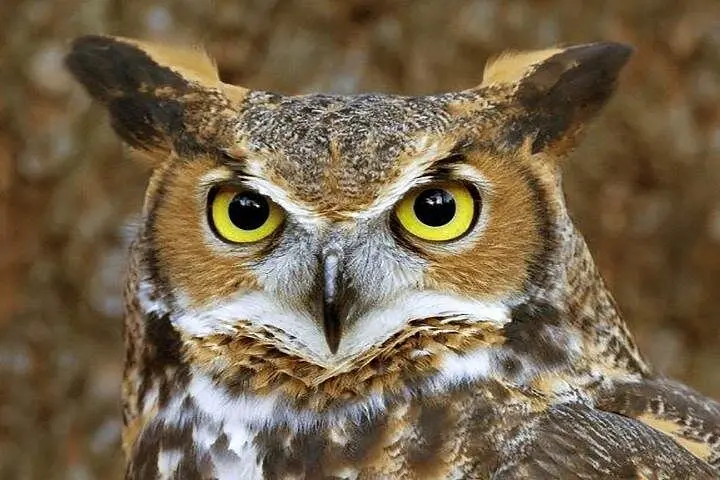
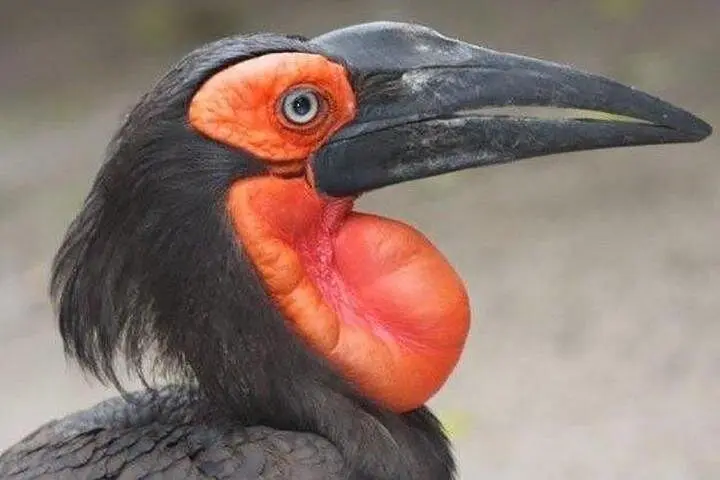
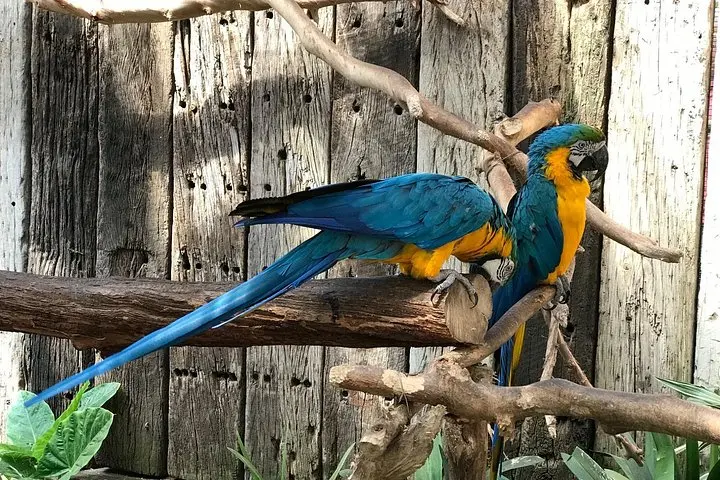
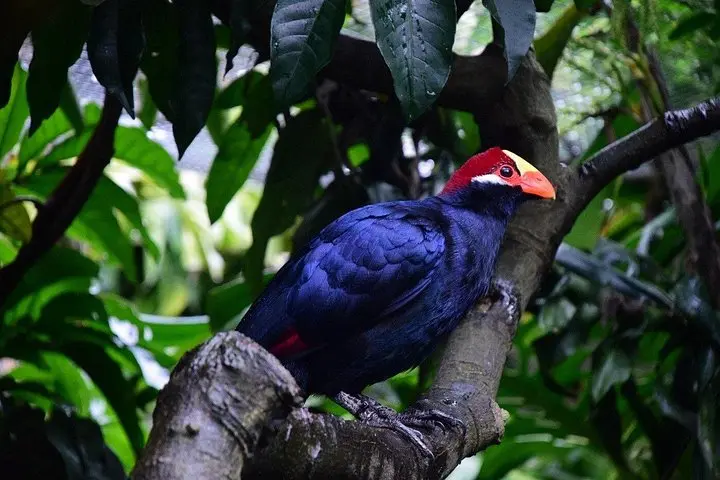
A path of gravel and leaf litter opens into a cool wooded valley beneath the slopes of Table Mountain, and the air is punctuated with calls—sharp raptors, burbling parrots, an occasional penguin squawk. At World of Birds in Hout Bay visitors move through 100 walk-through aviaries where flamingos preen like bright punctuation and owl eyes follow your shadow.
A path of gravel and leaf litter opens into a cool wooded valley beneath the slopes of Table Mountain, and the air is punctuated with calls—sharp raptors, burbling parrots, an occasional penguin squawk. At World of Birds in Hout Bay visitors move through 100 walk-through aviaries where flamingos preen like bright punctuation and owl eyes follow your shadow.
The sanctuary occupies four hectares in a valley the Dutch called “wood bay.” It evolved from a private collection into Africa’s largest bird park and now functions as a breeding centre, orphanage and rehabilitation hospital for threatened species. The geology here is Cape Granite meeting Table Mountain sandstone; the sheltered valley creates a microclimate that keeps plantings and enclosures verdant year-round.
Culturally, World of Birds is family-focused: interpretive signs and avian feeding demonstrations—birds of prey feeding at 16:15—make natural history accessible to kids and photographers alike. Don’t miss the Magic Forest trail or the Monkey Jungle, where tame squirrel monkeys may hop onto an outstretched arm.
Practically, allow 60–120 minutes. The paths are mostly flat but uneven in places; wheelchair and stroller access is available at key areas. Peak sun and crowds arrive in summer, so aim for morning hours for quieter viewing and better light. Bring a refillable water bottle, comfortable walking shoes, sun protection and a compact zoom lens or binoculars. Respect enclosures, follow staff instructions during feeding times, and avoid feeding animals — the sanctuary’s conservation work depends on controlled diets and veterinary care.