THE ADVENTURE COLLECTIVE® · Independent discovery and booking for outdoor travel

A brisk half-day hike from Phewa Lake to the World Peace Pagoda rewards morning walkers with lake reflections and Himalayan panoramas. This short, moderate route mixes boat transfer, forest trail and a high ridge viewpoint ideal for sunrise or calm afternoons.
A brisk half-day hike from Phewa Lake to the World Peace Pagoda rewards morning walkers with lake reflections and Himalayan panoramas. This short, moderate route mixes boat transfer, forest trail and a high ridge viewpoint ideal for sunrise or calm afternoons.
You step off a small launch at the narrow head of Phewa Lake and the city’s noise slips behind you as the forest swallows the trail. The path climbs through Rani Ban’s cool shade, roots and stone negotiating each step while the valley opens below—Phewa’s blue skin reflecting the peaks that dare you to look up: Machhapuchare’s fish-tail crest, the ridgelines of Annapurna, and the distant sweep of Dhaulagiri.
Verified experiences and guided adventures in the surrounding area.
Operated by Transport Hub Nepal · Pokhara, Gandaki Province
You step off a small launch at the narrow head of Phewa Lake and the city’s noise slips behind you as the forest swallows the trail. The path climbs through Rani Ban’s cool shade, roots and stone negotiating each step while the valley opens below—Phewa’s blue skin reflecting the peaks that dare you to look up: Machhapuchare’s fish-tail crest, the ridgelines of Annapurna, and the distant sweep of Dhaulagiri.
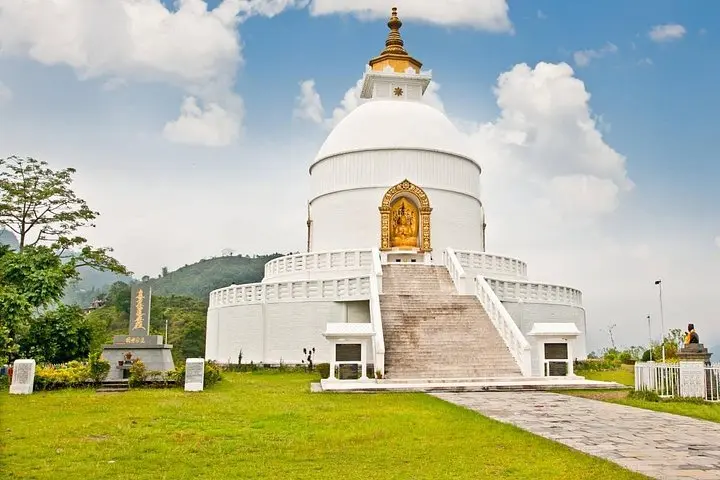
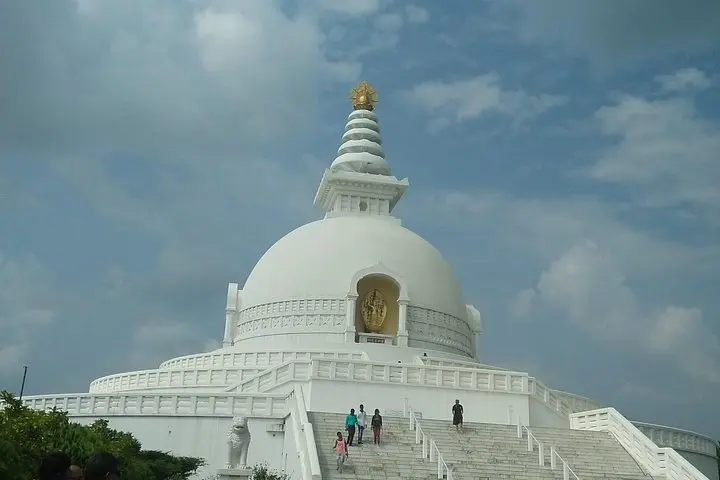
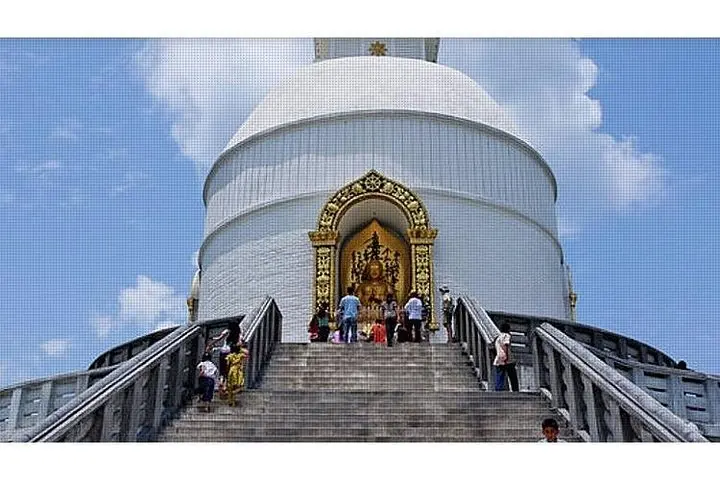
The stupa itself — built by Japanese monk Morioka Sonin, foundation begun in 1973 and completed in 1999 — sits on a ridgeline used for local prayer and quiet observation. Geologically the hill is older schist and river-deposited terraces, giving way to terraced farms and pockets of fir and rhododendron. Culturally the site is both a local pilgrimage point and a modern viewpoint popular with morning walkers; Shanti means peace in Sanskrit and the stupa functions as both shrine and panorama platform.
Expect a steady uphill of compact dirt, stone steps and occasional loose rock on the return. The route from the eastern dam is the longest and quietest; the south approach near Devi’s Fall is shorter but steeper. Timing is practical: a 2–4 hour window covers the boat transfer, ascent, time at the stupa and return.
Practical tips: go early for clearer mountain views and cooler trails, wear supportive footwear with decent grip, carry at least 1–1.5 liters of water, and bring a light layer—winds from the ridgeline can be sharp. Respect prayer space, stay on marked paths to prevent erosion, and consider combining the visit with a short boat ride on Phewa Lake for the full experience.
Plan on 2 to 4 hours total including boat transfer, ascent, time at the stupa and return to the hotel or lakeside.
The trail is family-friendly but includes uphill sections and steps—move at a comfortable pace and choose the shorter route near Devi’s Fall if needed.
Yes; many visitors pair the stupa with a boat ride on Phewa Lake, Devi’s Fall, or a short visit to Gupteshwor Cave on the return.
Local rules and temple etiquette generally discourage pets at sacred sites; check with your guide and respect signage.
Transport Hub Nepal operates guided outdoor trips and adventures with an emphasis on safety, stewardship, and memorable experiences.
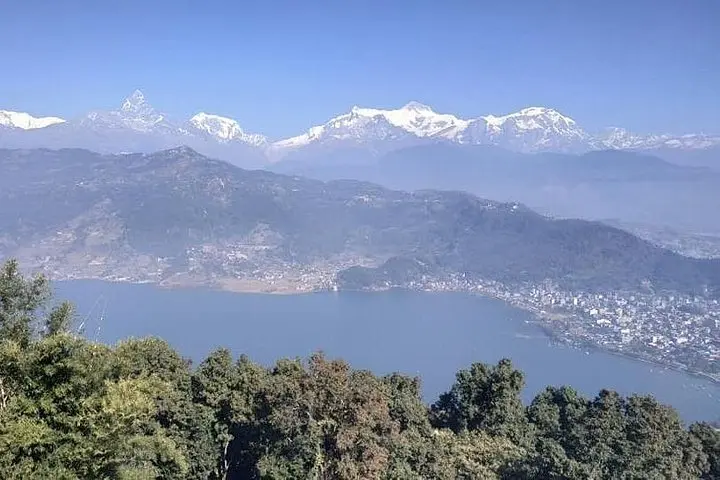
You step off a small launch at the narrow head of Phewa Lake and the city’s noise slips behind you as the forest swallows the trail. The path climbs through Rani Ban’s cool shade, roots and stone negotiating each step while the valley opens below—Phewa’s blue skin reflecting the peaks that dare you to look up: Machhapuchare’s fish-tail crest, the ridgelines of Annapurna, and the distant sweep of Dhaulagiri.
You step off a small launch at the narrow head of Phewa Lake and the city’s noise slips behind you as the forest swallows the trail. The path climbs through Rani Ban’s cool shade, roots and stone negotiating each step while the valley opens below—Phewa’s blue skin reflecting the peaks that dare you to look up: Machhapuchare’s fish-tail crest, the ridgelines of Annapurna, and the distant sweep of Dhaulagiri.
The stupa itself — built by Japanese monk Morioka Sonin, foundation begun in 1973 and completed in 1999 — sits on a ridgeline used for local prayer and quiet observation. Geologically the hill is older schist and river-deposited terraces, giving way to terraced farms and pockets of fir and rhododendron. Culturally the site is both a local pilgrimage point and a modern viewpoint popular with morning walkers; Shanti means peace in Sanskrit and the stupa functions as both shrine and panorama platform.
Expect a steady uphill of compact dirt, stone steps and occasional loose rock on the return. The route from the eastern dam is the longest and quietest; the south approach near Devi’s Fall is shorter but steeper. Timing is practical: a 2–4 hour window covers the boat transfer, ascent, time at the stupa and return.
Practical tips: go early for clearer mountain views and cooler trails, wear supportive footwear with decent grip, carry at least 1–1.5 liters of water, and bring a light layer—winds from the ridgeline can be sharp. Respect prayer space, stay on marked paths to prevent erosion, and consider combining the visit with a short boat ride on Phewa Lake for the full experience.