THE ADVENTURE COLLECTIVE® · Independent discovery and booking for outdoor travel

Float over steel ribs and watch angel sharks slide through shadowed corridors on this 4‑hour wreck snorkeling trip off Lanzarote. Early mornings bring the best visibility and a chance to see rays and reef fish that have made shipwrecks their homes.
Float over steel ribs and watch angel sharks slide through shadowed corridors on this 4‑hour wreck snorkeling trip off Lanzarote. Early mornings bring the best visibility and a chance to see rays and reef fish that have made shipwrecks their homes.
The boat rocks gently as you step off the ladder, salt on your lips and the Atlantic opening like a cool invitation. Clear water folds away from the hull in blues so honest you can see the seafloor at ten meters. Paddle a few strokes and the shape appears—an outline of rust and history sitting 12–18 meters below, the wreck breathing a slow, marine life–coated life of its own. Angel sharks glide through the ruins like detectives; rays hover in the sandy seams, and small schools thread the superstructure.
Verified experiences and guided adventures in the surrounding area.
Operated by Ocean Freediving Lanzarote · Puerto del Carmen, Las Palmas
The boat rocks gently as you step off the ladder, salt on your lips and the Atlantic opening like a cool invitation. Clear water folds away from the hull in blues so honest you can see the seafloor at ten meters. Paddle a few strokes and the shape appears—an outline of rust and history sitting 12–18 meters below, the wreck breathing a slow, marine life–coated life of its own. Angel sharks glide through the ruins like detectives; rays hover in the sandy seams, and small schools thread the superstructure.
Lanzarote’s coastline is shaped by volcanoes and trade. The island sits at a crossroads of Atlantic shipping lanes; storms and submerged reefs made it a natural graveyard for unfortunate vessels. Over decades, these wrecks have become artificial reefs, their steel skeletons colonized by anemones, fan corals, and the fish that follow them. The nearby volcanic landscapes of Timanfaya are visible from the water—black rock and ancient flows that remind you the island is still young in geological terms.
Local culture around the coast is pragmatic and sea-wise. Fishermen here read swell and wind the way farmers read soil. Small port cafés still serve coffee and bocadillos to people returning from morning dives; the economy around snorkeling and diving is a living bridge between traditional livelihoods and modern eco-tourism.
Practically, this is a four-hour, small-group excursion designed for most people comfortable in the water. You’ll meet at 9:00 a.m. for registration and gear fitting, then swim a short distance to the site. Visibility often rewards early starts—less wind, calmer surface, cleaner light through the water. Wrecks sit at recreational depths (12–18 m), so snorkelers will be surface-focused, but daring swimmers can descend carefully with guides. Expect to see angel sharks, rays, colorful reef fish, and the odd moray peeking from crevices.
Safety and etiquette matter: don’t touch the wreck or marine life, and avoid fin kicks that stir sediment over fragile growth. Guides provide masks, snorkels, fins, and often short wetsuits; bring your own gear if you prefer a custom fit. Hydrate before you go; even mild sun and wind will dry you out.
If you’re chasing clearer conditions, check forecasts for easterly winds that shelter the southern coast, and aim for morning departures. For photographers, a compact underwater camera or a phone in a proper housing captures dramatic contrasts—shooting at eye level with fish and the wreck’s profile yields the most cinematic frames.
This is an approachable piece of ocean archaeology—part natural history, part human story—that asks only one thing of you: be calm, be curious, and let the Atlantic show you how life reclaims the things we leave behind.
No—this tour is suitable for most people, but you should be comfortable swimming and using a mask and snorkel.
Visibility varies with weather and tide but is usually best in the morning—expect clear to moderate visibility on calm days.
Infants must sit on laps; check age restrictions with the operator—guides can accommodate confident young swimmers.
Yes—snorkel equipment is included, though many guests bring a personal mask for fit and comfort.
This is not recommended—participants should be able to swim short distances and float independently with a life vest if needed.
Trips are canceled in unsafe conditions and are refundable if canceled at least 24 hours in advance.
Ocean Freediving Lanzarote operates guided outdoor trips and adventures with an emphasis on safety, stewardship, and memorable experiences.
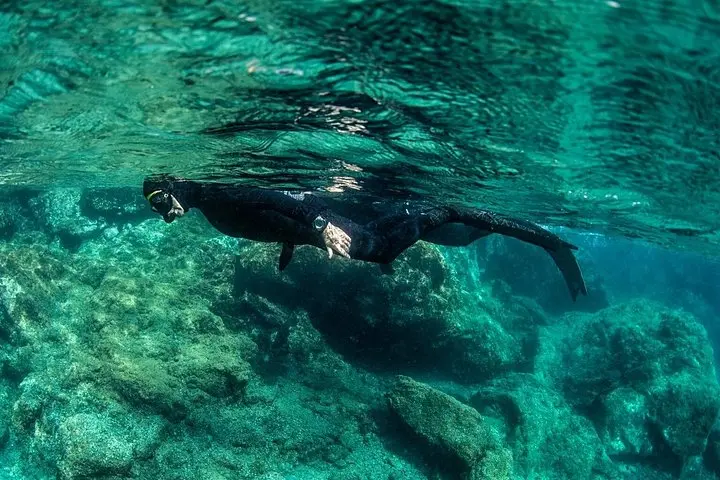
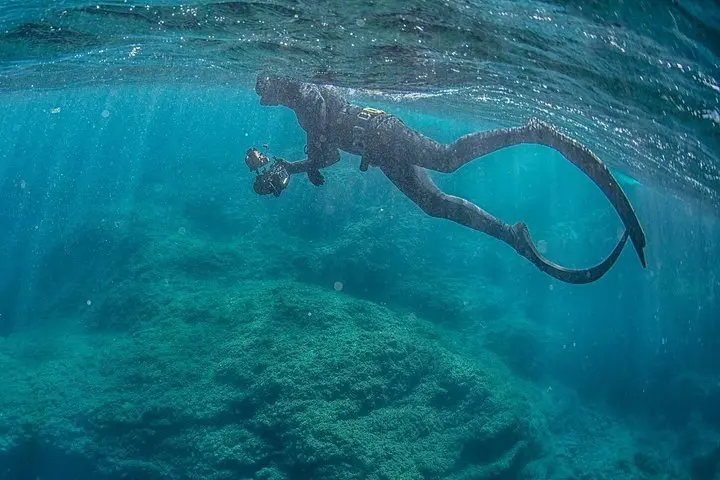
The boat rocks gently as you step off the ladder, salt on your lips and the Atlantic opening like a cool invitation. Clear water folds away from the hull in blues so honest you can see the seafloor at ten meters. Paddle a few strokes and the shape appears—an outline of rust and history sitting 12–18 meters below, the wreck breathing a slow, marine life–coated life of its own. Angel sharks glide through the ruins like detectives; rays hover in the sandy seams, and small schools thread the superstructure.
The boat rocks gently as you step off the ladder, salt on your lips and the Atlantic opening like a cool invitation. Clear water folds away from the hull in blues so honest you can see the seafloor at ten meters. Paddle a few strokes and the shape appears—an outline of rust and history sitting 12–18 meters below, the wreck breathing a slow, marine life–coated life of its own. Angel sharks glide through the ruins like detectives; rays hover in the sandy seams, and small schools thread the superstructure.
Lanzarote’s coastline is shaped by volcanoes and trade. The island sits at a crossroads of Atlantic shipping lanes; storms and submerged reefs made it a natural graveyard for unfortunate vessels. Over decades, these wrecks have become artificial reefs, their steel skeletons colonized by anemones, fan corals, and the fish that follow them. The nearby volcanic landscapes of Timanfaya are visible from the water—black rock and ancient flows that remind you the island is still young in geological terms.
Local culture around the coast is pragmatic and sea-wise. Fishermen here read swell and wind the way farmers read soil. Small port cafés still serve coffee and bocadillos to people returning from morning dives; the economy around snorkeling and diving is a living bridge between traditional livelihoods and modern eco-tourism.
Practically, this is a four-hour, small-group excursion designed for most people comfortable in the water. You’ll meet at 9:00 a.m. for registration and gear fitting, then swim a short distance to the site. Visibility often rewards early starts—less wind, calmer surface, cleaner light through the water. Wrecks sit at recreational depths (12–18 m), so snorkelers will be surface-focused, but daring swimmers can descend carefully with guides. Expect to see angel sharks, rays, colorful reef fish, and the odd moray peeking from crevices.
Safety and etiquette matter: don’t touch the wreck or marine life, and avoid fin kicks that stir sediment over fragile growth. Guides provide masks, snorkels, fins, and often short wetsuits; bring your own gear if you prefer a custom fit. Hydrate before you go; even mild sun and wind will dry you out.
If you’re chasing clearer conditions, check forecasts for easterly winds that shelter the southern coast, and aim for morning departures. For photographers, a compact underwater camera or a phone in a proper housing captures dramatic contrasts—shooting at eye level with fish and the wreck’s profile yields the most cinematic frames.
This is an approachable piece of ocean archaeology—part natural history, part human story—that asks only one thing of you: be calm, be curious, and let the Atlantic show you how life reclaims the things we leave behind.