THE ADVENTURE COLLECTIVE® · Independent discovery and booking for outdoor travel

A compact day trip from Wrocław into the Adršpach rock labyrinth: a 3.5 km loop among sandstone towers, a 16 m waterfall and a crystal lake. This practical guide covers history, terrain, timing and what to pack for the 7‑hour excursion.
A compact day trip from Wrocław into the Adršpach rock labyrinth: a 3.5 km loop among sandstone towers, a 16 m waterfall and a crystal lake. This practical guide covers history, terrain, timing and what to pack for the 7‑hour excursion.
You step out of the air-conditioned minibus and the stones take over: narrow corridors of sandstone tower above, sunlight slicing between crevices, and a clear lake reflects cliffs like a held breath. The drive from Wrocław is under two hours across rolling Polish countryside before you cross the border into the Hradec Králové Region and enter one of Europe’s largest wild rock labyrinths.
Verified experiences and guided adventures in the surrounding area.
Operated by HT-TRANS · Adršpach, Hradec Králové Region
You step out of the air-conditioned minibus and the stones take over: narrow corridors of sandstone tower above, sunlight slicing between crevices, and a clear lake reflects cliffs like a held breath. The drive from Wrocław is under two hours across rolling Polish countryside before you cross the border into the Hradec Králové Region and enter one of Europe’s largest wild rock labyrinths.
Adršpach-Teplice Rocks formed over millions of years as sandstone resisted erosion, leaving vertical pillars, tight chimneys and slabs. Visitors first documented the site in the 17th century; today marked trails guide walkers past a 16 m waterfall, a crystalline lake and countless named rock formations. Local culture blends Czech mountain-village hospitality with a history of early tourism and geology study.
The loop trail is 3.5 km and normally takes about two hours to complete; the operator allows three hours on site so you can move at your own pace, photograph, or eat. Trails are well-marked but sections narrow to roughly 0.5 m — the rocks close in like a living corridor. The route is non-technical and suitable for most abilities, though it's not recommended for people with mobility impairments.
Practical points: bring a photo ID for border checks, wear sturdy shoes with good grip, pack water and a light rain layer. Tours run Saturdays only and include transport and admission; total outing time is roughly seven hours including transfers. Expect uneven steps, occasional ladders, and crowds on peak days — move early in the schedule for quieter passages.
The marked loop is about 3.5 km and typically takes around two hours to complete; the tour allows three hours on site.
No — some sections include narrow passages and uneven stone steps; the operator flags it as not recommended for travelers with mobility problems.
Yes—bring a passport or national ID for border crossing into the Czech Republic (Schengen rules apply to some visitors).
The operator runs this shared tour only on Saturdays; check the booking link for availability and any changes.
HT-TRANS operates guided outdoor trips and adventures with an emphasis on safety, stewardship, and memorable experiences.
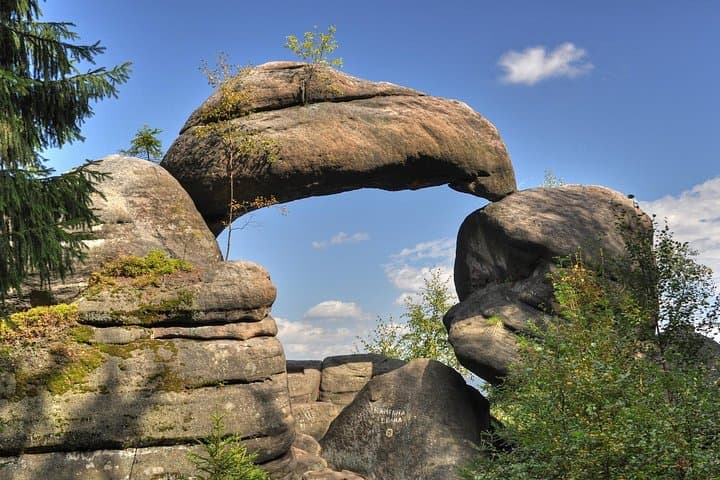
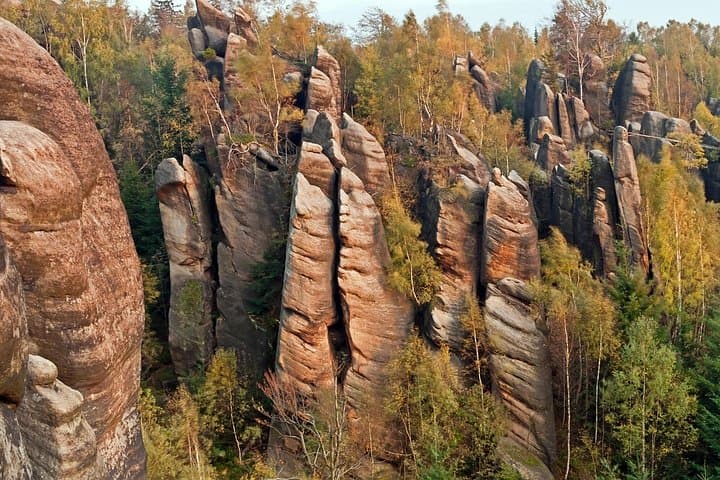

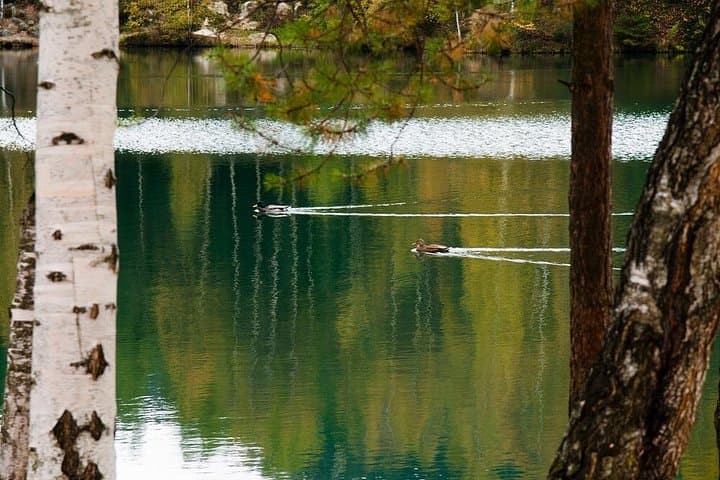
You step out of the air-conditioned minibus and the stones take over: narrow corridors of sandstone tower above, sunlight slicing between crevices, and a clear lake reflects cliffs like a held breath. The drive from Wrocław is under two hours across rolling Polish countryside before you cross the border into the Hradec Králové Region and enter one of Europe’s largest wild rock labyrinths.
You step out of the air-conditioned minibus and the stones take over: narrow corridors of sandstone tower above, sunlight slicing between crevices, and a clear lake reflects cliffs like a held breath. The drive from Wrocław is under two hours across rolling Polish countryside before you cross the border into the Hradec Králové Region and enter one of Europe’s largest wild rock labyrinths.
Adršpach-Teplice Rocks formed over millions of years as sandstone resisted erosion, leaving vertical pillars, tight chimneys and slabs. Visitors first documented the site in the 17th century; today marked trails guide walkers past a 16 m waterfall, a crystalline lake and countless named rock formations. Local culture blends Czech mountain-village hospitality with a history of early tourism and geology study.
The loop trail is 3.5 km and normally takes about two hours to complete; the operator allows three hours on site so you can move at your own pace, photograph, or eat. Trails are well-marked but sections narrow to roughly 0.5 m — the rocks close in like a living corridor. The route is non-technical and suitable for most abilities, though it's not recommended for people with mobility impairments.
Practical points: bring a photo ID for border checks, wear sturdy shoes with good grip, pack water and a light rain layer. Tours run Saturdays only and include transport and admission; total outing time is roughly seven hours including transfers. Expect uneven steps, occasional ladders, and crowds on peak days — move early in the schedule for quieter passages.